Tongue Cleaner Guide 2026 – Benefits, Science & Best Way to Use It
Updated on June, 2026.
When we think of dental hygiene, the mind immediately jumps to the “Big Two”: brushing and flossing. We spend hundreds of dollars on sonic toothbrushes and flavored floss, yet many of us ignore the largest surface area in our mouths.
The tongue is a carpeted landscape of papillae, grooves and crevices that act as a massive reservoir for bacteria. If you aren’t using a tongue cleaner, you’re essentially cleaning the floors of a room but leaving the plush, dirty rug in the center.
1. What is a Tongue Cleaner?
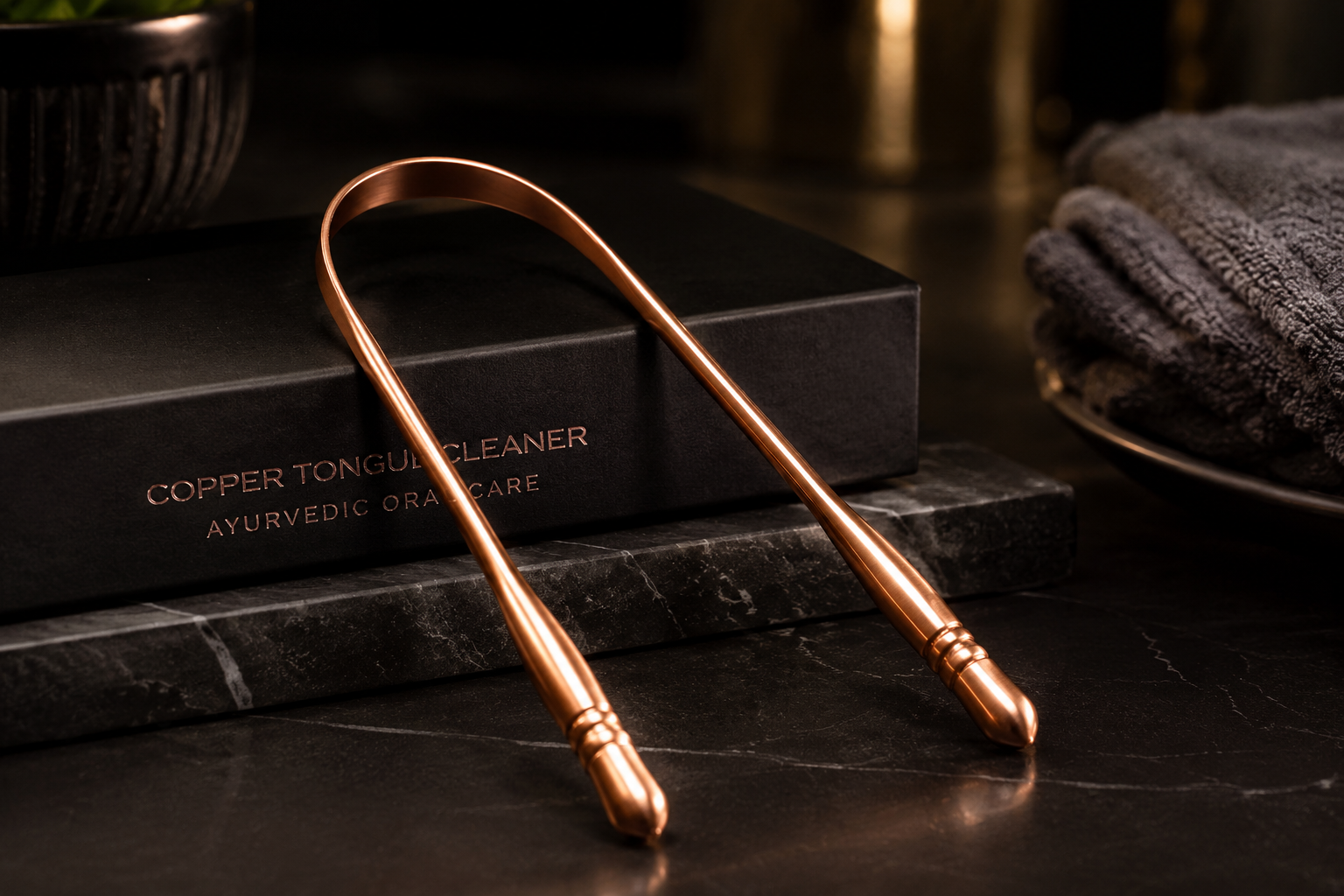
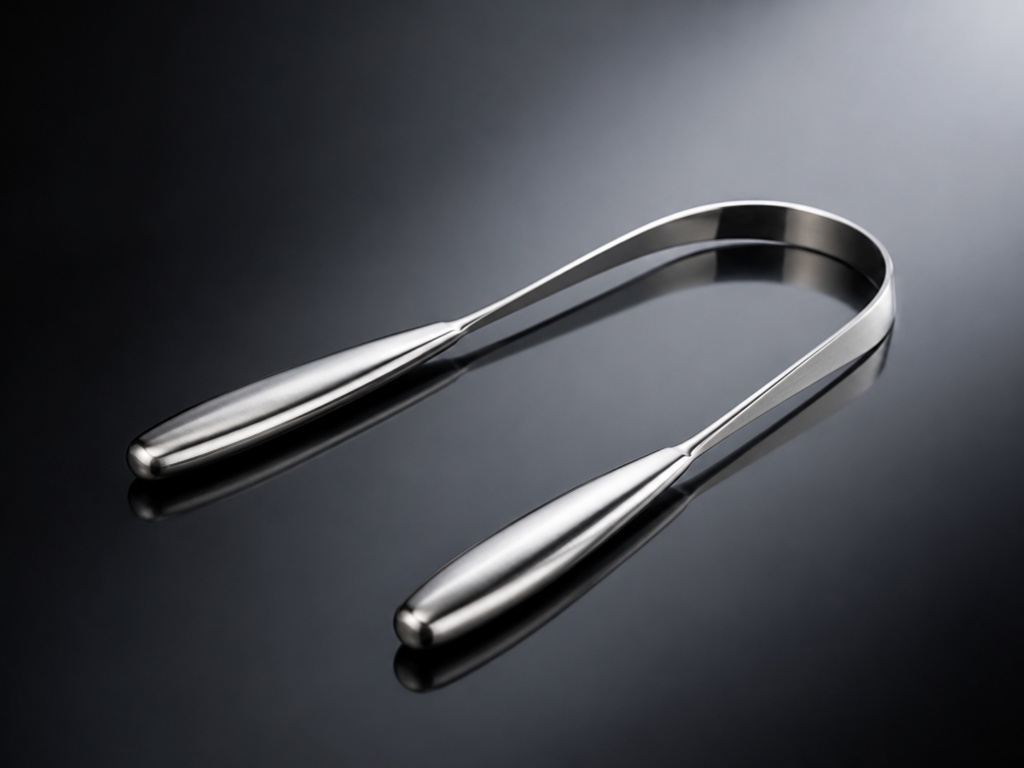
A tongue cleaner (or tongue scraper) is a specialized tool designed to debride the top surface of the tongue. Unlike a toothbrush, which is designed to clean the hard enamel of teeth, a tongue cleaner is shaped to glide over the soft, fleshy tissue of the tongue to lift and remove the biofilm—a sticky coating of bacteria, food debris and dead cells.
Evolution of the Tool
- Ancient Roots: Tongue scraping isn’t a modern fad. It has been a core pillar of Ayurvedic medicine (known as Jihwa Nirlekhana) for over 3,000 years, using copper or silver scrapers.
- Modern Innovation: Today, we see a fusion of ergonomic design and medical-grade materials, ranging from stainless steel U-shapes to high-tech T-shaped plastic cleaners with micro-ridges.
2. The Science of the Tongue Biofilm
To understand why you need a tongue cleaner, you have to understand what is living on your tongue. The tongue’s surface is covered in papillae—tiny bumps that help us taste and grip food. These papillae create a “shag carpet” effect, providing deep valleys where oxygen-poor (anaerobic) environments thrive.
The Culprits: Volatile Sulfur Compounds (VSCs)
The bacteria residing on the back of the tongue break down proteins from food and saliva. This metabolic process releases Volatile Sulfur Compounds (VSCs), such as:
- Hydrogen Sulfide: Smells like rotten eggs.
- Methyl Mercaptan: Smells like rotting cabbage.
- Dimethyl Sulfide: Smells like sweet, rotting seaweed.
Brushing alone only moves these bacteria around. A tongue cleaner physically lifts them out of the oral cavity. When combined with the Best Electric Toothbrush, which can more effectively remove plaque and debris from tooth surfaces and along the gumline, tongue cleaning becomes part of a more complete oral hygiene strategy.
3. Top 5 Benefits of Using a Tongue Cleaner
Integrating this 30-second habit into your routine offers more than just “clean breath.”
| Benefit | How it Works |
| Eliminates Halitosis | Removes the VSC-producing bacteria that cause 85-90% of bad breath cases. |
| Enhances Taste | By clearing the “gunk” off your taste buds, flavors become more vibrant and distinct. |
| Boosts Immunity | Prevents toxins from being reabsorbed into the body and supports the oral microbiome. |
| Improves Aesthetics | Removes the white/yellow coating, leaving the tongue a healthy, natural pink. |
| Reduces Plaque | Less bacteria on the tongue means fewer bacteria migrating to your teeth and gums. |
4. Copper Tongue Scraper vs. Stainless Steel: Choosing Your Weapon
Not all tongue cleaners are created equal. The material you choose affects durability, hygiene, and effectiveness.
Stainless Steel & Copper (The Gold Standard)
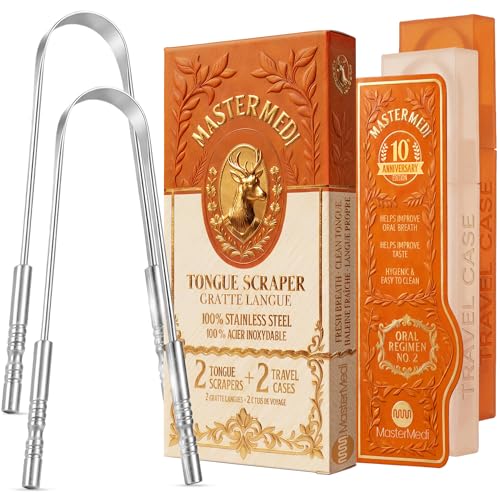
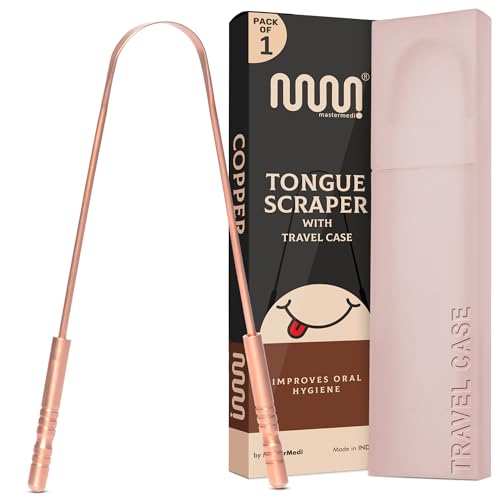
- Pros: Naturally antimicrobial (especially copper), dishwasher safe, and lasts a lifetime. They provide a “stiff” edge that is highly effective at lifting biofilm.
- Cons: Higher initial cost; copper can tarnish over time (though this doesn’t affect its efficacy).
Plastic Scrapers
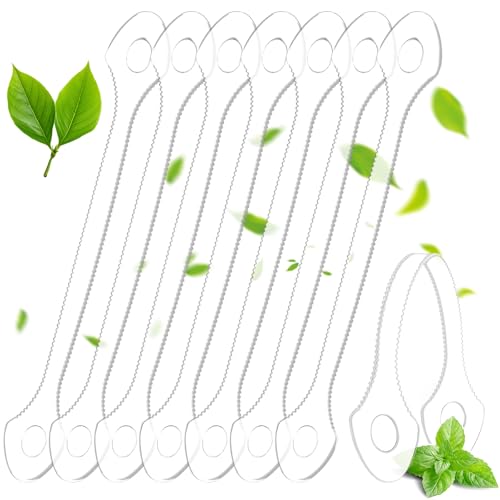
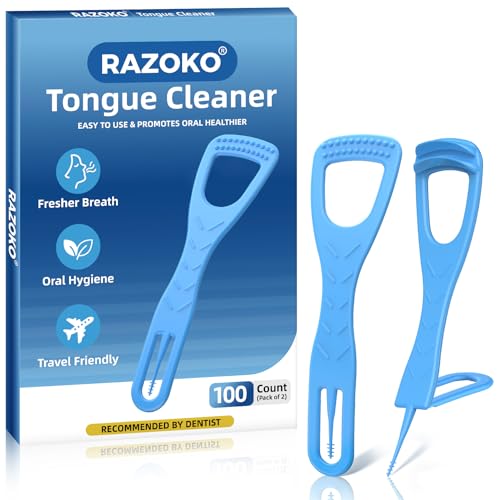
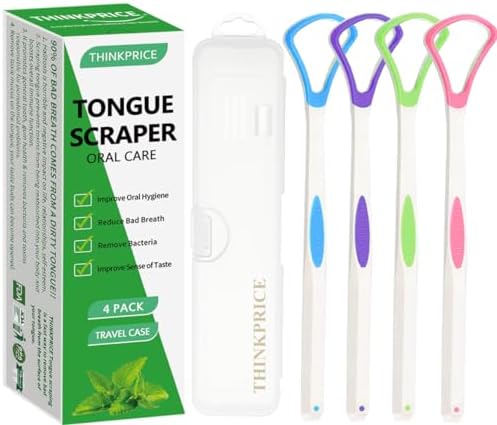
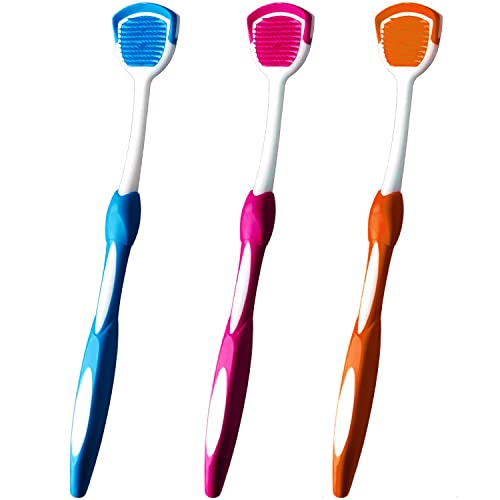

- Pros: Lightweight, inexpensive, and often come with built-in “brush” side. Good for travelers.
- Cons: Porous material can harbor bacteria over time; needs to be replaced every 3 months; less eco-friendly.
5. Best Tongue Cleaner: Copper vs Plastic vs Stainless Steel
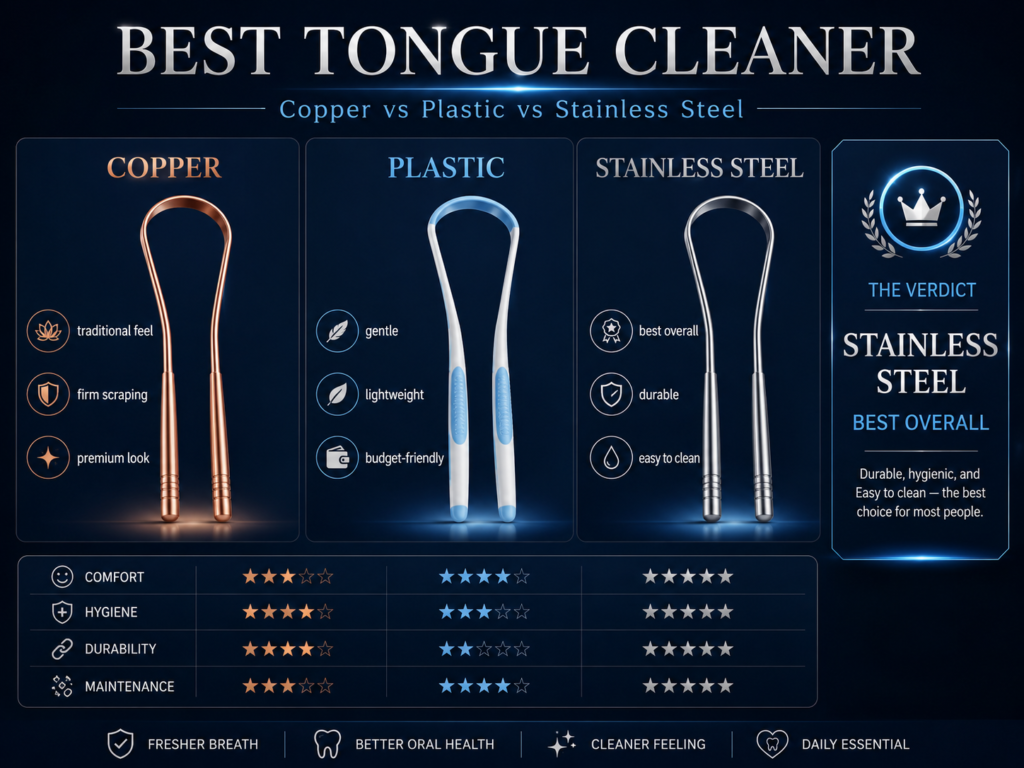
The best tongue cleaner is the one that removes tongue coating effectively without irritating the surface of the tongue, triggering the gag reflex, or becoming difficult to keep clean over time. Tongue cleaning looks simple, but the material matters. A good tongue scraper should glide smoothly, cover enough surface area, rinse clean quickly, and feel comfortable enough to use every morning.
Most tongue cleaners fall into three material categories: copper, plastic, and stainless steel. Each can work, but they do not feel the same in the mouth, and they do not age the same in the bathroom.
Quick Verdict: What Is the Best Tongue Scraper Material?
For most people, the best tongue scraper is stainless steel. It is durable, smooth, easy to rinse, resistant to warping, and usually offers the best balance of hygiene, comfort, and long-term value. Copper tongue cleaners appeal to people who prefer traditional oral care tools and want a heavier metal feel, while plastic tongue scrapers are usually better for beginners, travel, or people who want the softest and cheapest option.
| Tongue Cleaner Material | Best For | Main Strength | Main Limitation |
|---|---|---|---|
| Stainless Steel | Most daily users | Durable, smooth, easy to clean | Can feel too firm if pressed hard |
| Copper | Traditional oral care fans | Firm scraping feel, premium look | Requires more maintenance and may tarnish |
| Plastic | Beginners and travel | Gentle, affordable, lightweight | Less durable and may wear faster |
Stainless Steel Tongue Scraper: Best Overall Tongue Cleaner
A stainless steel tongue scraper is usually the safest choice if you want one tool that works well for daily use. It has enough firmness to remove tongue coating efficiently, but a well-designed stainless steel scraper should still feel smooth on the tongue. Unlike plastic, it does not bend as easily. Unlike copper, it does not usually require the same level of polishing or tarnish management.
The best stainless steel tongue cleaner should have rounded edges, a comfortable grip, and a wide U-shape that can cover the middle of the tongue in a few gentle passes. It should never feel sharp. If a scraper feels like it is scratching instead of gliding, it is either poorly finished or being used with too much pressure.
Stainless steel is the best tongue scraper material for people who want:
- A long-lasting daily tongue cleaner
- A smooth, firm scraping feel
- Easy rinsing after each use
- A low-maintenance oral hygiene tool
- Better durability than plastic
For most readers, this is the best tongue cleaner to buy first.
Copper Tongue Cleaner: Traditional, Firm, but Higher Maintenance
Copper tongue scrapers are popular in traditional oral care routines, especially among people who prefer natural-looking tools over plastic bathroom products. A copper scraper often feels slightly heavier and firmer than plastic, which can make it satisfying for people who want a more substantial cleaning tool.
The main advantage of copper is not that it magically cleans better than every other material. The cleaning still comes from the mechanical scraping action. The real appeal is the traditional design, firm feel, and premium metal experience. However, copper can tarnish over time, especially in a humid bathroom. Some people like this natural aging; others may find it inconvenient.
A copper tongue cleaner may be a good choice if you want:
- A traditional metal tongue scraper
- A firm scraping feel
- A plastic-free oral care tool
- A reusable scraper with a more natural aesthetic
The downside is maintenance. Copper should be rinsed, dried, and stored properly. If it develops discoloration, residue, or an unpleasant taste, it needs cleaning before use. People with metal sensitivity or dislike for metallic taste may prefer stainless steel instead.
Plastic Tongue Scraper: Best for Beginners, Travel and Sensitive Users
Plastic tongue scrapers are common because they are inexpensive, lightweight, and easy to find. They are often gentler than metal scrapers, which makes them useful for people who are new to tongue cleaning or have a sensitive gag reflex. Some plastic designs also include soft ridges or brush-like surfaces, which can feel less intense than a firm metal edge.
The trade-off is durability. Plastic can bend, dull, stain, or develop surface wear faster than metal. A worn plastic scraper may not clean as evenly, and it may need replacing more often. Plastic is also less premium from a hygiene and sustainability perspective, especially if it is disposable or cheaply made.
A plastic tongue cleaner may be best if you want:
- A low-cost tongue scraper
- A gentle first option
- A travel-friendly cleaner
- A softer feel than metal
- A backup scraper for your toiletry bag
Plastic is not the best tongue cleaner for long-term daily use, but it can be a practical entry point.
Which One Should You Choose?
Choose stainless steel if you want the best tongue cleaner for daily oral hygiene. It is the most balanced option for durability, cleaning power, and ease of maintenance.
Choose copper if you prefer a traditional metal tongue scraper and do not mind extra care to keep it clean and polished.
Choose plastic if you are a beginner, have a sensitive tongue, travel often, or want a cheap tongue cleaner before upgrading to metal.
The best tongue scraper is not the one that feels the most aggressive. It is the one you will use consistently with light pressure. Tongue cleaning should remove coating, not scrape the tongue raw. Use gentle strokes from the back of the tongue toward the tip, rinse the scraper between passes, and stop if the tongue feels sore or irritated.
Best Tongue Cleaner Recommendation
For most people, the best tongue cleaner is a wide stainless steel tongue scraper with rounded edges. It gives a cleaner, more controlled feel than most plastic scrapers and requires less maintenance than copper. Copper is a strong second choice for people who enjoy traditional oral care tools, while plastic is best for beginners or occasional use.
A good tongue scraper should make your mouth feel cleaner without making tongue cleaning feel like a harsh routine. When in doubt, choose a smooth stainless steel design, use gentle pressure, and make it part of your morning oral care routine.
6. How to Use a Tongue Scraper Properly
Efficiency is key. You don’t need to scrub hard; you need to be precise.
- The Reveal: Stand in front of a mirror and stick your tongue out as far as possible.
- The Placement: Place the scraper at the very back of the tongue. Note: If you have a strong gag reflex, start in the middle and work your way back over a week.
- The Stroke: Using gentle pressure, pull the scraper forward toward the tip of the tongue in one smooth motion.
- The Rinse: Rinse the debris off the scraper under warm water.
- The Repeat: Perform 4–8 strokes until no more “gunk” is visible on the tool.
- The Clean-up: Wash the scraper with soap and water and store it in a dry place.
7. Addressing Common Myths
- Myth: My toothbrush does the same thing.
- Truth: Toothbrush bristles are designed for hard surfaces. They tend to “plow” the tongue’s surface, pushing bacteria deeper into the papillae rather than lifting it off.
- Myth: Scraping your tongue damages your taste buds.
- Truth: Unless you are using excessive force or a sharp object, scraping is perfectly safe. Taste buds are regenerative and actually function better when clean.
- Myth: You only need to scrape if you have bad breath.
- Truth: Everyone accumulates biofilm. Scraping is a preventative measure for gum health and systemic wellness, not just a “fix” for odor.
8. The Connection to Systemic Health
Modern dentistry is increasingly focused on the Oral-Systemic Link. Bacteria in the mouth don’t stay in the mouth; they can enter the bloodstream. Studies have suggested links between poor oral hygiene (including tongue neglect) and:
- Cardiovascular Disease: Inflammation in the mouth can trigger inflammation in the arteries.
- Digestive Issues: Digestion starts in the mouth. A healthy oral microbiome ensures enzymes in saliva work efficiently.
- Diabetes: Gum disease and oral infections can make blood sugar harder to control.
We’ve created your “Morning Oral Care Routine” with the following steps:
- Use a tongue cleaner (4-8 strokes from back to front)
- Brush teeth for 2 minutes with fluoride toothpaste
- Floss or use interdental brushes to clean between teeth
- Rinse with mouthwash or water to clear remaining debris
- Hydrate with a glass of water to support saliva production
The tongue cleaner is perhaps the most cost-effective health tool in existence. For a small investment and less than a minute of your day, you can drastically improve your confidence, your sense of taste, and your long-term health. It is the missing link in the quest for a truly clean mouth.
FAQs
What is the best tongue cleaner for daily oral hygiene?
The best tongue cleaner for daily oral hygiene is usually a stainless steel tongue scraper because it offers the strongest balance of durability, hygiene, comfort, and long-term value. A good stainless steel scraper has a smooth rounded edge, rinses clean easily, and does not bend or wear out quickly like many plastic tongue cleaners.
For daily use, the most important factor is not aggressive scraping. It is consistency. The best tongue scraper should remove tongue coating in a few gentle strokes without irritating the tongue surface. Stainless steel performs well because it gives enough firmness to clean effectively while staying smooth and easy to control.
Copper tongue cleaners are also popular, especially for people who prefer traditional oral care tools. However, copper can tarnish and may need extra maintenance. Plastic tongue scrapers are affordable and gentle, but they usually do not last as long. For most people building a serious oral hygiene routine, stainless steel is the best tongue cleaner to start with.
Is a copper tongue scraper better than stainless steel?
A copper tongue scraper is not automatically better than stainless steel. Both can clean the tongue effectively because the cleaning action comes from the scraper’s shape, pressure, and technique. Copper is often chosen for its traditional feel, warm metallic look, and firm scraping experience. Stainless steel is usually preferred for its low maintenance, smooth finish, and long-term durability.
If you want a tongue cleaner that feels traditional and premium, copper can be a good choice. But if you want the best tongue scraper for everyday convenience, stainless steel is usually easier to live with. It does not tarnish as visibly, it is simple to rinse, and it keeps a clean appearance with less effort.
The better option depends on your priorities. Choose copper if you like traditional oral care tools and do not mind occasional cleaning. Choose stainless steel if you want a practical, hygienic, and durable tongue cleaner for daily use.
Are plastic tongue cleaners effective for bad breath?
Plastic tongue cleaners can be effective for bad breath if they are used properly and replaced when they start to wear out. Much of the odor associated with bad breath can come from tongue coating, food debris, and bacteria sitting on the tongue surface. A plastic scraper can help remove that coating, especially when used gently every morning.
However, plastic is usually not the best tongue cleaner for long-term use. It can bend, dull, stain, or develop small surface scratches over time. Once the edge becomes worn or uneven, it may clean less effectively and may feel less hygienic than a metal scraper.
Plastic tongue cleaners are best for beginners, sensitive users, travel kits, or people who want a low-cost way to try tongue scraping. For a more durable daily tool, a stainless steel tongue scraper is usually the better upgrade.
How often should you use a tongue scraper?
Most people can use a tongue scraper once daily, usually in the morning before or after brushing. Morning tongue cleaning is useful because coating can build up overnight, leaving the mouth feeling stale. A gentle scraping routine can help the mouth feel cleaner before the rest of the oral care routine begins.
You do not need to scrape aggressively or repeatedly throughout the day. Two to five gentle strokes are usually enough for most people. The scraper should move from the back of the tongue toward the tip, with light pressure and rinsing between passes.
If your tongue feels sore, raw, or irritated, you are either pressing too hard, scraping too often, or using a poorly finished tool. The best tongue scraper should make the mouth feel cleaner without making the tongue uncomfortable.
What is the best tongue scraper for beginners?
The best tongue scraper for beginners is either a soft plastic tongue cleaner or a smooth stainless steel tongue scraper with rounded edges. Plastic can feel less intimidating because it is lightweight and gentle, which may help people with a sensitive gag reflex. However, many beginners quickly prefer stainless steel because it feels cleaner, more controlled, and more durable.
A beginner should avoid sharp, narrow, or overly rigid scrapers. The best tongue cleaner for first-time use should have a wide shape, smooth edges, and comfortable handles. A wide U-shaped scraper is usually easier to control than a small rigid tool because it covers more of the tongue surface with fewer passes.
Start slowly. Place the scraper only as far back as comfortable, use gentle pressure, and rinse after each stroke. Tongue scraping should feel refreshing, not harsh.
People Also Ask
Which tongue scraper is best for bad breath: copper, plastic, or stainless steel?
For bad breath, the best tongue scraper is usually stainless steel because it removes tongue coating effectively, rinses clean quickly, and stays durable over time. Bad breath often becomes worse when odor-producing buildup remains on the tongue surface, especially toward the back of the tongue. A smooth stainless steel scraper can help remove that coating with fewer passes.
Copper can also work well, but it may require more care to prevent tarnish or residue buildup. Plastic can help, too, but it may not remain as hygienic or effective after repeated use. If the goal is fresher breath and a cleaner daily routine, stainless steel is the strongest all-around choice.
The tool matters, but technique matters more. Use light pressure, scrape from back to front, rinse the scraper between strokes, and clean it after each use. Do not scrape until the tongue feels raw.
Is tongue scraping better than brushing your tongue with a toothbrush?
Tongue scraping is often better than brushing the tongue when the goal is to remove visible tongue coating. A toothbrush can loosen debris, but it may also spread coating around the tongue surface instead of lifting it away cleanly. A tongue scraper is designed to collect and remove buildup in one smooth motion.
That does not mean brushing the tongue is useless. Some people prefer a soft toothbrush because it feels gentle. But for people dealing with tongue coating, morning mouth odor, or a coated feeling after sleep, a dedicated tongue cleaner usually feels more effective.
The best routine can include both if needed: gently brush the tongue surface, then use a tongue scraper to remove loosened coating. For most people, however, a good tongue scraper alone is enough.
Can a tongue cleaner damage your tongue?
A tongue cleaner can damage or irritate the tongue if it is used too aggressively, too often, or with a sharp-edged scraper. The tongue is a sensitive surface. Scraping should remove coating, not forcefully strip the tongue. Redness, soreness, burning, or small cuts are signs that the technique is too harsh.
The best tongue scraper should have smooth rounded edges. Stainless steel and copper scrapers should never feel sharp. Plastic scrapers should not have rough seams or broken edges. If a scraper feels uncomfortable even with light pressure, it should be replaced.
Safe tongue cleaning is simple: use gentle pressure, scrape only a few times, rinse between passes, and stop when the tongue feels clean. A clean tongue should not feel painful.
Why do stainless steel tongue scrapers last longer than plastic tongue cleaners?
Stainless steel tongue scrapers last longer because the material is stronger, more rigid, and more resistant to bending or surface wear. Plastic tongue cleaners can become dull, warped, scratched, or stained with repeated use. Once that happens, they may not clean as evenly and may need replacing.
A high-quality stainless steel tongue scraper can last for years when cleaned and stored properly. It does not absorb color easily, it rinses clean, and it keeps its scraping edge more consistently than most plastic options.
This is why stainless steel is often considered the best tongue cleaner for long-term daily use. It may cost more upfront than plastic, but it usually offers better value over time.
Should you use a tongue scraper before or after brushing your teeth?
You can use a tongue scraper either before or after brushing, but many people prefer using it before brushing. Scraping first removes tongue coating and loose debris, then brushing and rinsing can leave the whole mouth feeling cleaner.
A simple order is: scrape the tongue, brush the teeth, clean between teeth, and finish with mouthwash if your routine includes one. The key is not the exact order but consistency and gentle technique.
If you use toothpaste before scraping, the scraper may feel slippery or less controlled. If you scrape after brushing, rinse the scraper well and avoid pressing too hard. Both methods can work as long as tongue cleaning becomes a regular part of your oral hygiene routine.