As we step into 2026, the quest for the perfect smile has evolved from a luxury into a daily wellness standard. At HydroPaste.com, we’ve spent years analyzing the science of oral care, and the innovations arriving this year are nothing short of revolutionary. If you are searching for the best whitening toothpaste to transform your smile, you are no longer limited to harsh chemicals that leave your teeth feeling raw and sensitive.
The 2026 market for tooth whiteners is defined by “Bio-Active Brightening”—a shift toward formulas that repair enamel while they polish. In this comprehensive guide, we break down what makes a great whitening toothpaste and how to choose the recommended whitening toothpaste for your specific lifestyle and dental needs.
What Makes a “Best Rated” Whitening Toothpaste?
In previous years, whitening was often a trade-off: you could have white teeth, or you could have strong enamel, but rarely both. The best rated whitening toothpaste options for 2026 have solved this dilemma through three distinct pathways of action.
1. Advanced Enzymatic Stain Dissolution
Rather than relying solely on gritty abrasives to scrub the surface, the best toothpaste for whitening the teeth now often uses proteolytic enzymes like papain (from papaya) and bromelain (from pineapple). These enzymes break down the “protein pellicle”—the sticky film on your teeth where coffee and tea stains live—allowing them to be rinsed away without scratching your enamel.
2. Nano-Hydroxyapatite (n-Ha) Integration
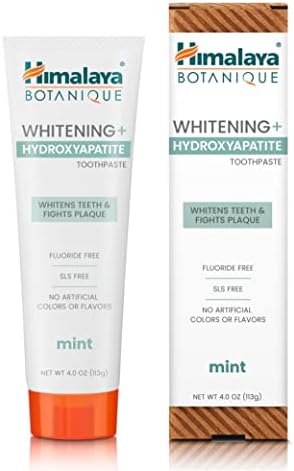
This is the “hero ingredient” of 2026. Hydroxyapatite is what your teeth are naturally made of. When applied in nano-form within a whitening toothpaste, it fills in microscopic cracks and pores in your enamel. This makes the tooth surface smoother and denser, which naturally reflects more light, giving you a brighter, more radiant appearance without using bleach.


3. Smart Peroxide Delivery
For those seeking deeper results, the best paste for whitening teeth in the chemical category now uses time-release or encapsulated hydrogen peroxide. This ensures the whitening agent stays active longer on the tooth surface while minimizing contact with sensitive gum tissue.
Choosing the Right Formula for Your Smile
Finding a best whitening toothpaste for whitening teeth depends entirely on your starting point. Here is how we categorize the top-tier formulas hitting the shelves this year:
For Chronic Stainers (Coffee, Tea, & Wine)
If your discoloration is primarily on the surface, look for a good whitening toothpaste that features high-cleaning silica but a low RDA (Relative Dentin Abrasivity) score. You want a paste that can “polish” without “sanding.”
For the Sensitivity-Prone
The best whitening toothpaste for sensitive users in 2026 avoids peroxide entirely, opting instead for optical brighteners. These formulas use blue-covalent technology to coat the teeth in a microscopic layer that neutralizes yellow tones instantly, much like how “purple shampoo” works for hair.
For the Eco-Conscious & Naturalist
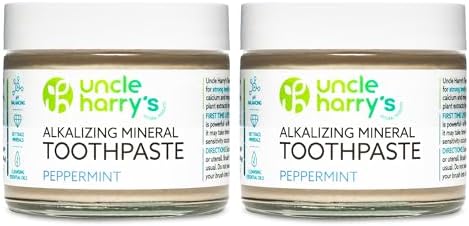
A great whitening toothpaste shouldn’t come at the cost of the environment. 2026 has seen a surge in “Waterless Tablets” and plastic-free tubes. These tooth whiteners use mineral-based powders like calcium carbonate and sodium bicarbonate (baking soda) to provide a gentle, natural glow.



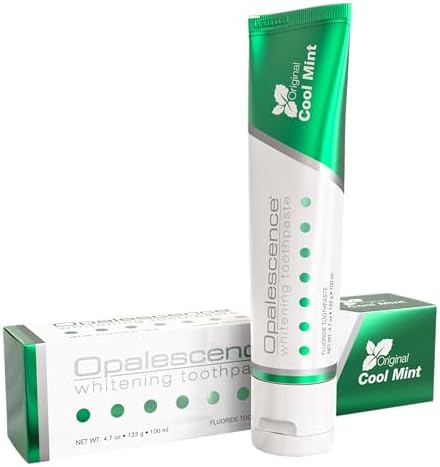
Understanding the RDA Scale: A Buyer’s Checklist
When looking for recommended whitening toothpaste, checking the RDA value is the single most important step for long-term health. Use this guide to vet any product you consider:
- Low Abrasivity (RDA 0–70): Safe for daily use, even for those with thin enamel or recession.
- Medium Abrasivity (RDA 70–100): The “Sweet Spot” for whitening best toothpaste—effective at stain removal without being overly aggressive.
- High Abrasivity (RDA 101–150): Highly effective for smokers or heavy stainers, but should often be alternated with a standard fluoride paste.
- Harmful (RDA 150+): Avoid these if you value the longevity of your enamel.

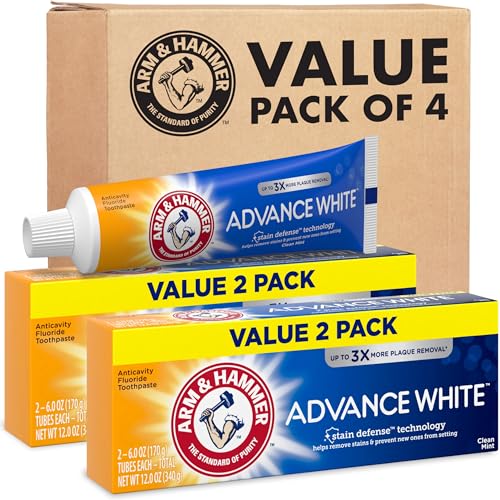
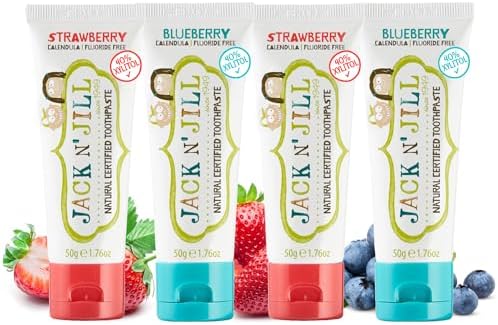
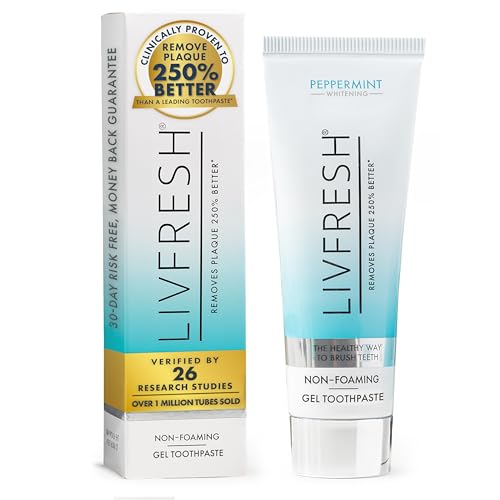
Maximizing Your Results: The HydroPaste Method
Even the best toothpaste for whitening the teeth won’t work if your technique is lacking. To ensure your toothpaste for whitening teeth delivers professional-grade results, follow these 2026 best practices:

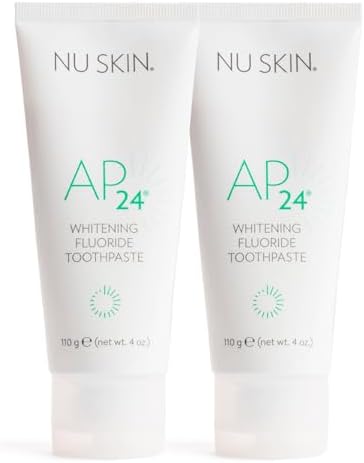


- Dry Brushing First: Apply your paste to a dry brush. This prevents the active whitening agents from being diluted by water before they touch your teeth.
- The “Spit, Don’t Rinse” Rule: After brushing for two minutes, spit out the excess foam but do not rinse with water. Let the residue of the whitening toothpaste sit on your enamel for an extra few minutes to maximize absorption.
- Consistency is Key: Whitening is a cumulative process. A good whitening toothpaste requires twice-daily use for at least 21 days to see a shift of 2–3 shades.
Why Bulk Value Packs Are the Smart Choice in 2026
At HydroPaste, we consistently advocate for purchasing your recommended whitening toothpaste in value packs (usually 3 to 6 tubes).
- Regimen Integrity: Whitening requires months of consistency. Running out for even three days allows “re-staining” to occur.
- Economic Value: Buying in bulk typically reduces the price-per-ounce by up to 30%.
- Sustainability: Bulk shipping reduces packaging waste and carbon emissions, aligning with the 2026 trend of conscious consumerism.




The Verdict for 2026
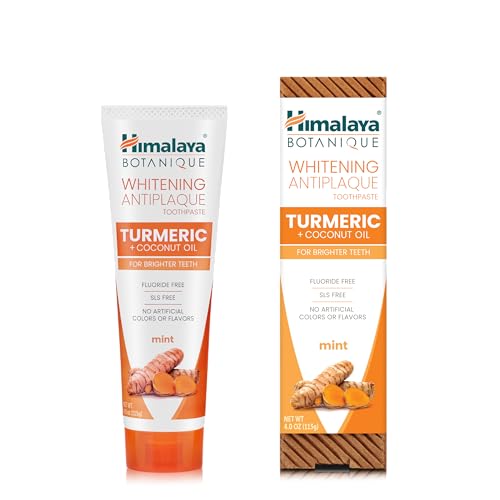
The landscape of oral aesthetics has changed. You no longer have to choose between a bright smile and a healthy one. Whether you are looking for a great whitening toothpaste with high-tech enzymes or a good whitening toothpaste that uses tried-and-true minerals, the options for 2026 are more diverse and effective than ever.
Frequently Asked Questions (FAQ)
What is actually the best whitening toothpaste?
The “best” paste is subjective, but in 2026, experts point toward formulas that combine nano-hydroxyapatite for repair and low-abrasion silica for surface cleaning. This combination provides both immediate visual results and long-term dental health.
Is whitening toothpaste safe for daily use?
Most good toothpastes for white teeth are designed for daily use. However, always check the label for “enamel-safe” certification. If a paste makes your teeth “zing” or feel sensitive to cold, it may be too abrasive for your specific enamel thickness.
How long does it take for a tooth whitener to work?
While some “instant” pastes use optical filters to brighten teeth in one wash, most best whitening toothpaste take 2 to 4 weeks of consistent use to remove deep-set stains.
Can I use whitening toothpaste with veneers or crowns?
Most toothpaste for whitening teeth will not change the color of porcelain veneers or composite fillings. However, they are excellent for maintaining the brightness of the surrounding natural teeth to ensure a uniform smile.
Does charcoal toothpaste still work in 2026?
Charcoal remains a popular tooth whitener, but the best whitening toothpaste 2026 trend is “Refined Charcoal.” Instead of gritty black soot, modern formulas use ultra-fine activated carbon blended into a smooth paste to prevent the “gum tattooing” and enamel scratching seen in earlier versions.