
Often relegated to a secondary thought, tongue scrapers cleaning is originally an ancient Ayurvedic ritual that’s transforming modern oral hygiene. While most of us wouldn’t dream of skipping a tooth-brushing session, many people overlook a surface area that makes up a significant portion of the mouth: the tongue.
In this article, we will dive deep into why tongue scraping is more than just a “wellness trend”, the biological mechanisms at play, and how to choose the right tool for your routine.
1. What is Tongue Scraping?
Tongue scraping, or jihwa prakshalana, is the practice of using a specialized tool to gently remove the coating on the dorsal (top) surface of the tongue. This coating usually consists of food debris, dead cells, and—most importantly—biofilm created by bacteria.

A Brief History
Though it feels like a modern “biohack”, tongue scraper dates back thousands of years:
- Ayurveda: Ancient Indian medicine has recommended tongue cleaning for over 3,000 years to remove ama (metabolic toxins).
- Ancient Rome & China: Historical records show aristocrats used scrapers made of silver, gold, or tortoiseshell to maintain fresh breath.
- The Modern Era: After falling out of favor in the West during the mid-20th century, it has returned as clinical research validates its role in preventing halitosis and gum disease.
2. The Science of the Tongue Scraper
To understand why we scrape, we have to look at the “topography” of the tongue.

The tongue is not a smooth surface; it is covered in tiny bumps called papillae. These structures create deep fissures and grooves that act like a shag carpet, trapping microscopic particles.
Why Brushing Isn’t Enough
Many people use their toothbrush to clean their tongue. While better than nothing, research suggests it isn’t the most effective method:
- Redistribution vs. Removal: A toothbrush is designed to scrub hard surfaces (teeth). On the soft tissue of the tongue, bristles often just move the “gunk” around rather than lifting it off.
- The Gag Reflex: The height of a toothbrush head often triggers the gag reflex, preventing users from reaching the very back of the tongue where the majority of odor-causing bacteria reside.
- Efficiency: A scraper covers a wider surface area in a single stroke, applying even pressure to “plow” the biofilm away.
3. Key Benefits of Tongue Scrapers
Integrating a 10-second scrape into your morning routine offers several physiological and sensory benefits.

I. Elimination of Halitosis (Bad Breath)
Up to 80–90% of bad breath originates from the back of the tongue. Bacteria break down proteins into Volatile Sulfur Compounds (VSCs) like hydrogen sulfide and methyl mercaptan. Tongue Scraper physically removes these sulfur-producing colonies.
II. Enhanced Taste Perception
When your tongue is coated in a thick layer of biofilm, your taste buds (located within the papillae) are essentially “viled” over.
- Research shows that regular scraping can distinguish flavors more sharply, particularly bitter and sweet notes.
- Benefit: This can lead to greater satiety and potentially lower sugar or salt intake.
III. Reduced Plaque and Improved Gum Health
The mouth is a closed ecosystem. The bacteria on your tongue don’t stay there; they migrate to your teeth and gums. By lowering the overall “bacterial load” in your mouth, you reduce the rate at which plaque forms on your teeth.
IV. Boosting the Immune System
The mouth is the first line of defense for your immune system. By removing toxins and preventing the overgrowth of harmful bacteria, you reduce the stress on your body’s natural defenses.
4. Which Scraper is Best?
| Material | Pros | Cons |
| Stainless Steel | Durable, easy to sterilize, rust-proof, medical grade. | Can feel cold; utilitarian aesthetic. |
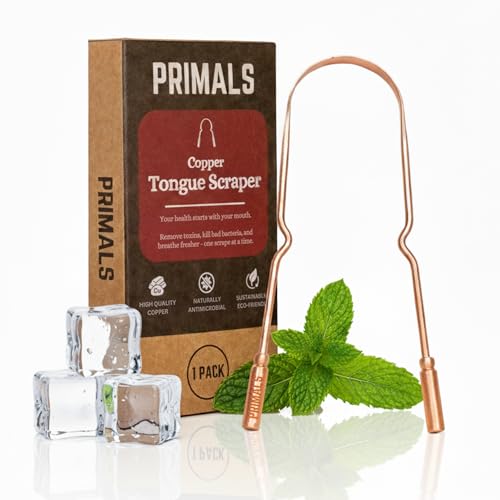
| Copper | Naturally antimicrobial; traditional Ayurvedic choice. | Tarnishes over time (requires cleaning with lemon/salt). |
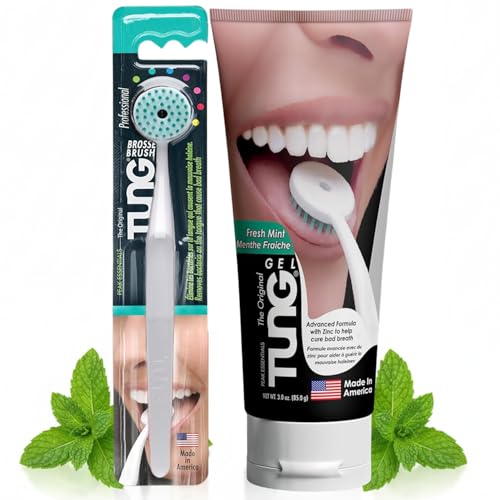
| Plastic | Cheap, lightweight, often includes a “scraper-brush” hybrid. | Needs frequent replacement; porous (can harbor bacteria). |
| Silicone | Gentle on sensitive tongues. | Less effective at removing thick buildup. |
Pro Tip: If you are a beginner, a high-quality stainless steel U-shaped scraper is generally considered the “gold standard” for its balance of hygiene and longevity.




5. How to Scrape Your Tongue: A Step-by-Step Guide
To get the most out of the practice without irritating your taste buds, follow these steps:
- Timing: Do this first thing in the morning, on an empty stomach. This removes the bacteria that accumulated while you slept (the “morning breath” film).
- Positioning: Stand in front of a mirror and stick your tongue out as far as comfortably possible.
- Placement: Place the scraper at the very back of the tongue. Note: Go as far back as you can without gagging.
- The Motion: Using firm but gentle pressure, pull the scraper forward toward the tip of the tongue in one fluid motion.
- Rinse and Repeat: Rinse the debris off the scraper under warm water. Repeat the process 3–5 times until no more coating is visible.
- Clean Up: Wash the scraper with warm soap and water, and dry it thoroughly.
6. Debunking Common Myths
- Myth 1: “It hurts.” * Reality: If it hurts, you are pressing too hard. The goal is to remove the surface film, not the skin.
- Myth 2: “I use mouthwash, so I don’t need to scrape.”
- Reality: Mouthwash often kills bacteria but leaves the dead cells and debris behind. Scraping physically exports the waste from your body.
- Myth 3: “A white tongue always means I’m sick.”
- Reality: A light white coating is usually just normal debris. However, a thick, cottage-cheese-like coating could indicate oral thrush (yeast overgrowth), in which case you should see a dentist.
7. Maintenance and Longevity
How often should you replace your tool?
- Metal Scrapers: These can last a lifetime. Simply boil them occasionally or wipe them with alcohol for a deep clean.
- Plastic Scrapers: Replace every 3 months, similar to your toothbrush, as the plastic can develop micro-scratches where bacteria hide.
A Small Habit with Big Results
Tongue scraping is a rare example of a “low effort, high reward” health intervention. For the cost of a few dollars and ten seconds of your time, you can significantly improve your breath, enhance your enjoyment of food and support your long-term dental health.