Electric Toothbrush Hub: Complete Guide to Smart Brushing, Gum Protection & Oral Biofilm Control
Amazon Affiliate Disclosure
Hydropaste may earn commissions from qualifying purchases made through links on this page. This does not affect editorial integrity, clinical analysis, or product evaluation standards.
Updated in July, 2026.
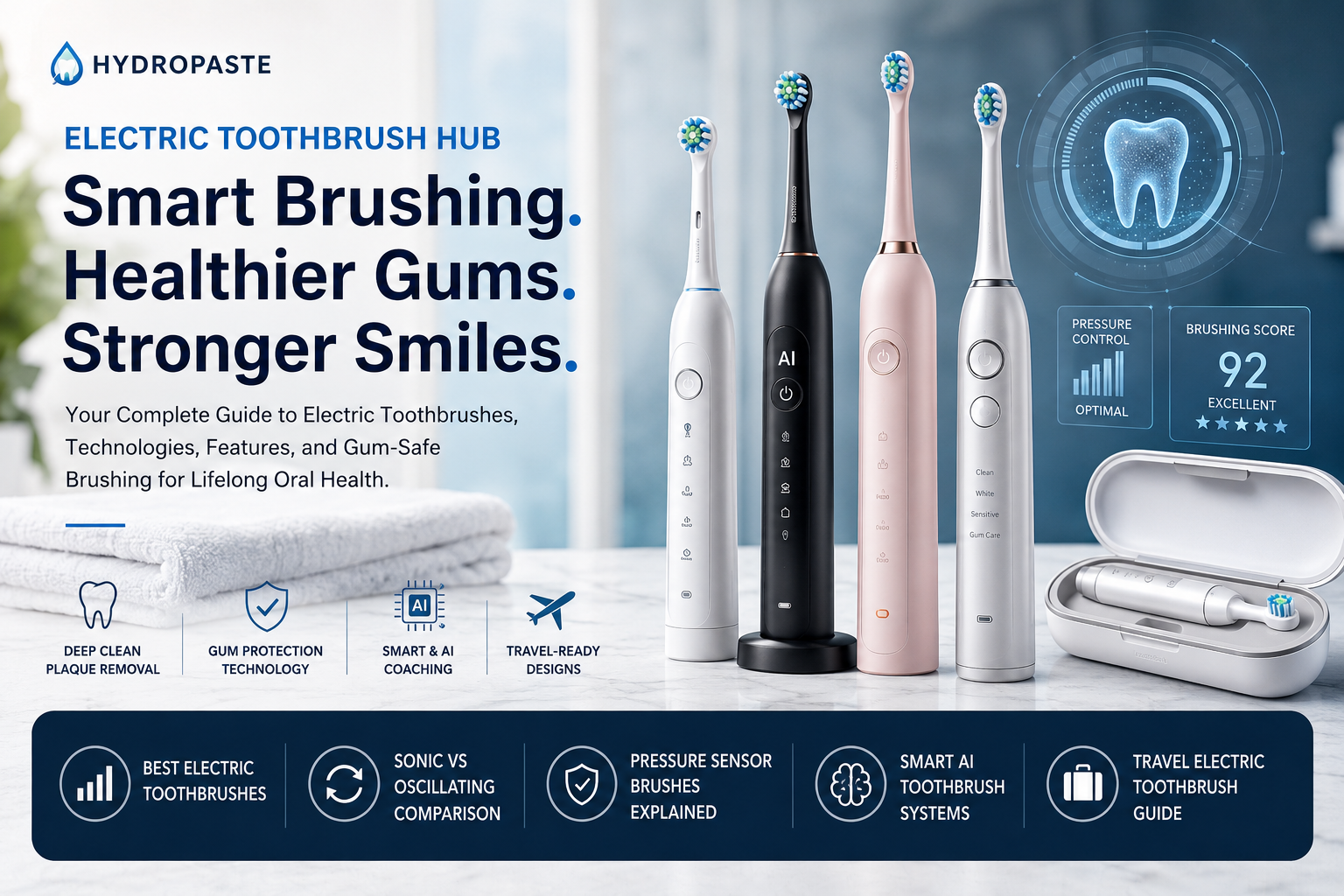
The modern electric toothbrush has evolved from a convenience device into a precision oral-care system engineered around biofilm disruption, gum preservation, pressure management, and behavioral correction. What once served as a powered alternative to manual brushing now operates more like a personalized oral hygiene platform — integrating motion algorithms, pressure analytics, sonic fluid dynamics, AI-guided coaching, and soft tissue protection.
This electric toothbrush hub functions as the central resource connecting people to deeper guides.
Inside the broader Soft Tissue Integration, which explores how oral tools interact with gingival tissue, enamel integrity, salivary ecology and long-term periodontal stability.
For many users, the goal is no longer simply “clean teeth.” The real objective is controlled plaque removal without mechanical trauma.
That distinction matters.
Overbrushing, abrasive motion, poor pressure control, and inconsistent coverage remain some of the largest hidden causes of gum recession and enamel wear — especially among people who believe they are brushing correctly.
Electric toothbrush systems were developed largely to solve those exact problems.
Quick Picks
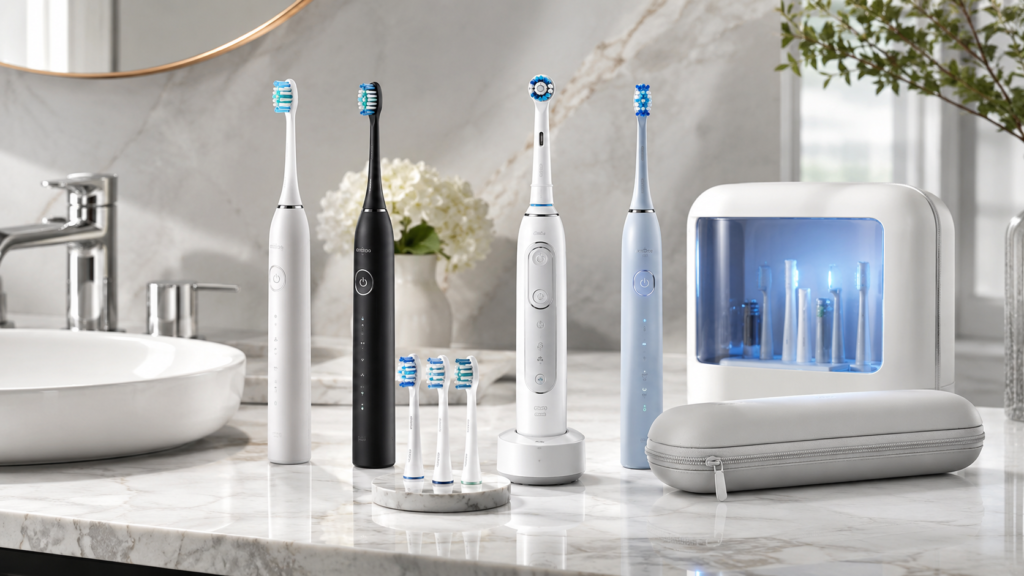
Use this electric toothbrush hub navigation to move directly to product reviews, brushing guidance, technology comparisons, travel advice, safety information and frequently asked questions.
| Need or Question | Jump To | What You’ll Find |
|---|---|---|
| Understand the purpose of this guide | What This Electric Toothbrush Hub Is For | The scope of the hub and the electric toothbrush topics it covers |
| Find out who benefits most | Who Needs an Electric Toothbrush? | Guidance for sensitive gums, braces, limited dexterity and inconsistent brushing |
| Compare powered and manual brushing | Are Electric Toothbrushes Better? | The benefits, limitations and technique requirements of powered brushing |
| Improve brushing technique | Best Electric Toothbrushing Technique | Gum-safe positioning, pressure control and tooth-by-tooth guidance |
| Follow a brushing routine | How to Use an Electric Toothbrush | A practical step-by-step electric toothbrushing method |
| Review the main oral-health advantages | Benefits of Electric Toothbrush Systems | Plaque removal, gum protection, timed brushing and easier posterior cleaning |
| Compare the two leading technologies | Sonic vs Oscillating Toothbrushes | Differences in motion, comfort, plaque removal, noise and gumline performance |
| Compare recommended models | Best Electric Toothbrush Options of 2026 | Short reviews of seven leading toothbrush systems and accessories |
| Decide among the reviewed products | Which Electric Toothbrush Should You Choose? | A use-case-based summary of the seven recommended options |
| Identify worthwhile features | Features Worth Paying For | Pressure sensors, timers, brush-head detection and AI brushing maps |
| Understand pressure protection | Pressure Sensor Brushes Explained | How electric toothbrush pressure sensors help limit gum and enamel damage |
| Explore connected toothbrush technology | Smart AI Toothbrush Systems | Bluetooth tracking, coverage mapping, brushing scores and habit coaching |
| Learn what smart features improve | What Smart Toothbrushes Actually Improve | The practical behavioral benefits of AI-guided brushing systems |
| Find a toothbrush for frequent travel | Travel Electric Toothbrush & Travel Case Guide | Battery life, USB charging, travel locks, portability and brush-head hygiene |
| Review ideal travel features | Ideal Travel Electric Toothbrush Features | The features that matter most for flights, business trips and international travel |
| Explore emerging oral-care technology | Trends and Latest Technology | Adaptive brushing, biofilm sensing, subscriptions and sustainable brush heads |
| See what future models may offer | Upcoming Electric Toothbrush Models | Oral scanning, enamel monitoring, pressure heat maps and predictive maintenance |
| Compare electric toothbrush prices | Costs and Value Analysis | Entry-level, mid-range and premium electric toothbrush price tiers |
| Understand premium pricing | What Actually Justifies Premium Pricing? | The upgrades that can make a more expensive toothbrush worthwhile |
| Learn about possible drawbacks | Risks and Misuse Concerns | Overbrushing, abrasive toothpaste, worn bristles and poor brush-head hygiene |
| Compare electric and manual brushes | Electric Toothbrush vs Manual Toothbrush Comparison | Differences in plaque control, pressure management, cost and technique dependence |
| Choose by oral-care priority | Choosing the Right Electric Toothbrush | Recommendations for sensitive gums, plaque, travel, technology and budget |
| Get common questions answered | Frequently Asked Questions | Answers about gum health, technique, sonic brushes and brush-head replacement |
| Check airline travel rules | Can You Bring an Electric Toothbrush on a Plane? | Carry-on guidance, lithium batteries, cases, charging and travel locks |
| Explore additional search questions | People Also Ask | Concise answers about dentist recommendations, enamel safety and premium value |
| Read the editorial conclusion | Hydro-Insight | The role of controlled brushing in biofilm removal and soft-tissue preservation |
What This Electric Toothbrush Hub Is For
This guide is designed to help readers:
- Understand how electric toothbrush technologies differ
- Compare sonic vs oscillating cleaning systems
- Learn which features genuinely improve oral outcomes
- Identify the best electric toothbrushes for gum protection
- Understand pressure sensor technology
- Explore AI-enabled smart brushing systems
- Improve brushing technique and brushing consistency
- Choose travel-friendly electric toothbrushes
- Avoid common brushing mistakes that damage soft tissue
It also serves as a decision-making framework for shoppers comparing premium oral care systems across different budgets and use cases.
Who Needs an Electric Toothbrush?
People With Gum Sensitivity
Users experiencing early gingivitis, bleeding gums, or recession often benefit from pressure-controlled brushing systems that reduce tissue abrasion while maintaining plaque removal efficiency.
Orthodontic Patients
Braces, aligners, retainers, and bonded wires create plaque retention zones that manual brushes frequently miss.
Users With Inconsistent Technique
Many people brush too aggressively, too quickly, or unevenly. Smart electric toothbrushes improve coverage consistency through timed guidance and quadrant tracking.
Aging Adults
Reduced dexterity can make manual brushing less effective over time. Electric handles improve brushing mechanics without requiring aggressive hand movement.
High Coffee, Tea or Tobacco Consumers
Persistent surface staining and biofilm accumulation often respond better to oscillating or sonic brushing systems with optimized polishing cycles.
Are Electric Toothbrushes Better?
In many scenarios, yes — particularly for plaque disruption consistency and gum protection.
Manual brushing effectiveness depends heavily on user skill, angle control, duration, pressure, and movement pattern. Electric toothbrushes partially automate those variables.
Key advantages include:
- More consistent plaque disruption
- Built-in brushing timers
- Reduced excessive pressure
- Better access around molars and gumlines
- Improved compliance in children and adults
- Enhanced cleaning around orthodontics
- Better long-term brushing habits
However, “better” depends on proper use.
An improperly used electric toothbrush can still contribute to:
- Gum recession
- Enamel abrasion
- Soft tissue irritation
- Incomplete plaque removal
Technique still matters.
Best Electric Toothbrushing Technique
How to Brush Properly Without Damaging Gum Tissue
The best electric toothbrushing technique focuses on guidance rather than scrubbing.
Unlike manual brushing, electric toothbrushes are designed to perform the motion for you.
Recommended Technique
1. Angle the Brush at 45 Degrees
Position the bristles partly on the tooth surface and partly along the gumline.
2. Use Minimal Pressure
Allow the motorized movement to perform the cleaning. Pressing harder does not improve cleaning efficiency.
3. Glide Slowly Tooth-by-Tooth
Move systematically across each quadrant rather than rapidly sweeping across multiple teeth.
4. Spend Full Time on Each Zone
Most quality electric toothbrushes use 30-second pacing intervals per quadrant.
5. Avoid Horizontal Scrubbing
Aggressive side-to-side movement can increase gum recession risk.
How to Use an Electric Toothbrush
Step-by-Step Guide
| Step | Action |
|---|---|
| 1 | Wet the brush head lightly |
| 2 | Apply pea-sized toothpaste |
| 3 | Place brush before powering on |
| 4 | Guide slowly across teeth |
| 5 | Pause briefly at gumline |
| 6 | Follow quadrant timing |
| 7 | Brush for 2 full minutes |
| 8 | Rinse brush head thoroughly |
Benefits of Electric Toothbrush Systems
Better Plaque Removal
High-frequency motion improves disruption of sticky bacterial biofilm.
Improved Gum Health
Pressure-controlled brushing reduces chronic gum trauma.
Learn Proper Gum-Safe Brushing Techniques
Consistent Brushing Habits
Timers and coaching systems improve brushing duration compliance.
Easier Access to Tight Areas
Compact heads improve posterior reach and orthodontic cleaning.
Behavioral Feedback
Smart systems identify missed areas and overbrushing habits.
Reduced Manual Effort
Particularly beneficial for arthritis sufferers and users with reduced dexterity.
Sonic vs Oscillating Toothbrushes
One of the most searched oral care comparisons involves sonic vs oscillating toothbrushes.
Both technologies work differently.
Comparison Chart: Sonic vs Oscillating Toothbrushes
| Feature | Sonic Toothbrush | Oscillating Toothbrush |
|---|---|---|
| Cleaning Motion | High-frequency vibration | Rotating/oscillating head |
| Feel | Smooth, humming sensation | Mechanical polishing feel |
| Gum Comfort | Often gentler | Stronger direct contact |
| Plaque Removal | Excellent along gumline | Excellent on tooth surfaces |
| Noise Level | Quieter | Slightly louder |
| Best For | Sensitive gums | Heavy plaque/stain removal |
| Learning Curve | Easier adaptation | Takes adjustment |
| Fluid Dynamics | Strong sonic fluid movement | Limited fluid movement |
| Travel Use | Often lighter | Usually bulkier |
Which Is Better?
There is no universal winner.
Sonic Systems Excel At:
- Gumline cleaning
- Sensitive mouths
- Orthodontic maintenance
- Soft tissue comfort
Oscillating Systems Excel At:
- Surface polishing
- Stain reduction
- Dense plaque removal
- Precision spot cleaning
For users focused on soft tissue integration, sonic systems are often preferred for gentler gingival interaction.
Inside the Electric Toothbrush Hub, the Sonic vs Oscillating Toothbrushes guide helps shoppers decide whether a vibration-based brush or a round-head oscillating brush better fits their oral-care routine.
What Defines a High-Performance Electric Toothbrush?
The best electric toothbrushes balance:
- Plaque disruption efficiency
- Pressure regulation
- Comfortable ergonomics
- Battery reliability
- Brush head availability
- Smart guidance features
- Gum-safe brushing dynamics
👉 Compare the Best Electric Toothbrushes
Best Electric Toothbrush Options of 2026: Short Reviews
The best electric toothbrush is not necessarily the model with the highest vibration count, the greatest number of cleaning modes or the most expensive mobile app. The better choice is the electric toothbrush that matches your plaque levels, gum sensitivity, brushing pressure, interdental-cleaning needs and travel routine.
The following short electric toothbrush reviews cover seven distinct oral-care options, ranging from straightforward sonic and oscillating brushes to UV-sanitizing systems, integrated water-flossing devices and protective travel accessories.
| Electric Toothbrush Option | Best For | Cleaning Approach | Main Consideration |
|---|---|---|---|
| AquaSonic Black Series PRO UV | UV brush-head hygiene and bundled value | Multi-mode sonic brushing | No dedicated pressure sensor |
| Brio Ollie SmartClean | Long battery life and frequent travel | Slim multi-mode sonic brushing | Pressure control depends on technique |
| Oral-B Pro 1000 | Direct plaque removal and everyday value | Round-head oscillating-rotating action | Stronger mechanical brushing sensation |
| Philips Sonicare 4100 | Sensitive gums and everyday simplicity | Pressure-aware sonic brushing | Fewer premium modes and accessories |
| Soocas NEOS II | Brushing and water flossing in one device | Sonic brushing with an integrated water jet | Bulkier handle and additional maintenance |
| 2-in-1 Oral Clean Kit | Complete brushing-and-flossing setup | Separate sonic toothbrush and cordless water flosser | More components to charge and clean |
| Electric Toothbrush Travel Case | Protecting a powered toothbrush in transit | Storage and hygiene accessory | Compatibility and ventilation vary |
AquaSonic Black Series PRO UV: Best UV-Sanitizing Electric Toothbrush System
The AquaSonic Black Series PRO UV is one of the most complete electric toothbrush packages for buyers who want sonic cleaning, multiple brushing settings, replacement brush heads, a travel case and a UV sanitizing base in one system.
Its strongest advantage is not simply its sonic brushing power. The package combines daily plaque disruption with more controlled brush-head storage between uses. Its gentler cleaning mode can make adaptation easier for users with sensitive teeth or gums, while whitening and massage settings provide greater routine flexibility.
The included UV sanitizing base may also appeal to users concerned about storing damp brush heads in shared bathrooms. However, the toothbrush does not rely on a dedicated pressure sensor, so aggressive brushers must consciously maintain a light touch along the gumline.
Read the complete AquaSonic Black Series PRO UV review for a closer examination of its brushing modes, UV hygiene system, accessories, limitations and long-term value.
Brio Ollie SmartClean: Best Travel Sonic Toothbrush for Battery Life
The Brio Ollie SmartClean is a persuasive option for travellers, students and professionals who want a slim rechargeable sonic toothbrush without frequent charging.
Its extended advertised battery life, compact profile and selection of brushing modes make it more adaptable than a basic one-setting travel toothbrush. The sonic action creates a smoother brushing sensation than a forceful oscillating system, which may appeal to users who prefer gentler contact around sensitive gum tissue.
The streamlined handle is also easier to pack than many bulky premium electric toothbrushes. Its main limitation is that gum-safe pressure still depends heavily on the user’s technique. It is therefore better suited to people who can guide the toothbrush slowly rather than scrub with it.
The complete Brio Ollie SmartClean review examines its battery performance, brushing modes, travel practicality, ergonomics and everyday cleaning experience.
Oral-B Pro 1000: Best Value Oscillating Electric Toothbrush
The Oral-B Pro 1000 remains a strong-value electric toothbrush for users who prefer direct, tooth-by-tooth plaque removal.
Its compact round brush head oscillates and rotates around individual tooth surfaces, making it especially useful for people who want focused cleaning around molars, crowns and the gumline. A built-in two-minute timer supports consistent brushing, while pressure feedback helps reduce some of the risks associated with pressing too hard.
The Oral-B Pro 1000 does not overwhelm users with apps, complex controls or numerous brushing modes. Its simplicity makes it accessible to first-time electric toothbrush users and anyone seeking reliable plaque removal at a moderate price.
The trade-off is that its oscillating action can feel more mechanical, intense and audible than the smoother movement of a sonic toothbrush, particularly during the first several days of use.
Explore the complete Oral-B Pro 1000 review for a detailed assessment of its oscillating technology, pressure protection, replacement brush heads and long-term ownership cost.
Philips Sonicare 4100: Best Electric Toothbrush for Sensitive Gums
The Philips Sonicare 4100 is one of the most balanced electric toothbrush options for users who want effective sonic plaque removal without a complicated app or an excessive number of settings.
Its elongated brush head and high-frequency sonic movement create a smooth cleaning experience across the teeth and along the gumline. The built-in pressure alert encourages lighter brushing whenever excessive force is detected, making the Sonicare 4100 particularly relevant for people with sensitive gums, tooth sensitivity or a history of aggressive brushing.
A two-minute brushing timer and quadrant pacing system make it easier to distribute cleaning time evenly throughout the mouth. The lightweight handle also supports comfortable everyday use.
The Sonicare 4100 is less feature-rich than premium Philips Sonicare toothbrushes, but that simplicity is part of its appeal. It provides the core features most users need without unnecessary complexity.
Read the complete Philips Sonicare 4100 review to understand why it remains a leading electric toothbrush for sensitive teeth, gum-conscious brushing and dependable daily oral care.
Soocas NEOS II: Best Electric Toothbrush With an Integrated Water Flosser
The Soocas NEOS II is designed for users who brush consistently but frequently skip flossing or interdental cleaning.
Instead of treating electric brushing and water flossing as two separate tasks, the Soocas NEOS II combines sonic bristle movement with a targeted water stream delivered through the brush-head system. This hybrid approach can make cleaning around the gumline and between teeth feel more immediate, particularly for busy users who want fewer steps in their daily oral-care routine.
The integrated design may also benefit users who dislike switching between separate devices every morning and evening. However, combining the technologies produces a larger handle, a water reservoir that requires refilling and additional components that must be rinsed and dried.
The Soocas NEOS II is therefore best suited to technology-focused buyers who value consolidation and convenience more than a lightweight, minimalist toothbrush.
The full Soocas NEOS II review explains its integrated cleaning design, water-flossing modes, maintenance requirements, gumline performance and travel suitability.
2-in-1 Oral Clean Kit: Best Complete Brush-and-Floss Oral-Care Kit
The 2-in-1 Oral Clean Kit is a practical alternative for users who want powered brushing and water flossing but prefer two dedicated devices rather than one hybrid handle.
The sonic electric toothbrush manages plaque across tooth surfaces and the gumline, while the separate cordless water flosser targets trapped food, orthodontic brackets, dental implants, bridges and difficult interdental spaces.
This two-device arrangement provides greater flexibility because each tool can be used independently and adjusted according to the task. The toothbrush can remain part of a standard twice-daily routine, while the water flosser can be used after meals or whenever more intensive interdental cleaning is needed.
The disadvantage is that two devices introduce additional charging, storage, cleaning and maintenance requirements compared with a standalone electric toothbrush.
For households, orthodontic patients and users building a more complete oral-hygiene station, the combination offers strong functional value.
Read the full 2-in-1 Oral Clean Kit review for details about its cleaning modes, water-flossing performance, usability and maintenance considerations.
Travel Electric Toothbrush Guide
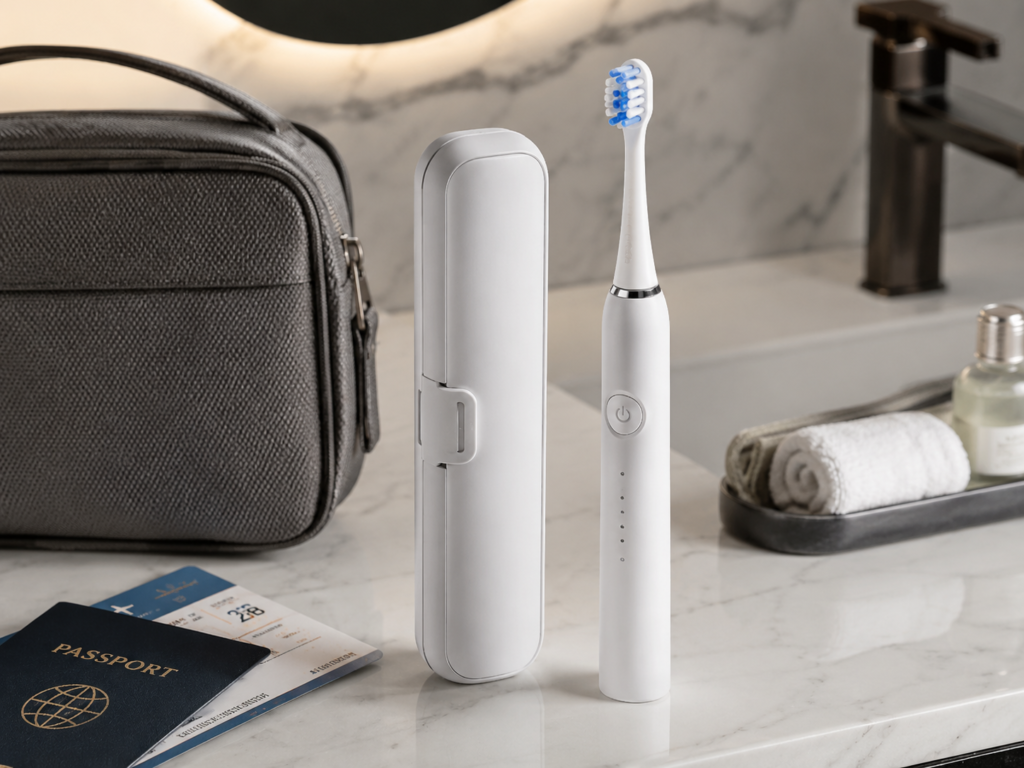
Frequent travelers face different oral-care challenges:
- Limited charging access
- Compact luggage requirements
- Hygiene during transport
- Battery endurance concerns

- USA’S #1 RATED TOOTHBRUSH – The highest rated toothbrush on Trustpilot in the USA, based on over 17,000 verified reviews…
- UV-CLEANING TRAVEL CASE 2.0 – SURI includes a redesigned travel case with a battery-powered UV-C light that cleans the b…
- ONE MONTH+ BATTERY LIFE – Imagine only needing to charge your toothbrush once a month. Our rechargeable toothbrush for a…
Ideal Travel Electric Toothbrush Features
| Feature | Importance |
|---|---|
| USB-C charging | Universal compatibility |
| Long battery life | Fewer charging cycles |
| Compact case | Better portability |
| Brush head protection | Improved hygiene |
| Lightweight design | Easier packing |
| Global voltage support | International travel |
Electric Toothbrush Travel Case: Best Protective Accessory for Travel
An electric toothbrush travel case does not improve plaque removal directly, but it can protect the toothbrush handle, brush head and charging accessories from impact, contamination and accidental activation during transport.
A well-designed electric toothbrush case should fit the specific handle securely, separate a used brush head from other toiletries and provide enough ventilation to prevent trapped moisture. Cases with internal compartments can also keep charging cables and replacement heads organised during longer trips.
Hard-shell electric toothbrush cases are generally better for checked luggage because they provide stronger impact protection. Slim ventilated cases and brush-head covers are more convenient for hand luggage, gym bags, business trips and overnight stays.
Regardless of the case design, the brush head should be rinsed and allowed to dry before prolonged storage. Sealing a wet brush head inside a poorly ventilated case may encourage odour and moisture accumulation.
The complete electric toothbrush travel case guide compares case materials, toothbrush compatibility, ventilation, hygiene features and packing considerations for frequent travellers.
Which Electric Toothbrush Should You Choose?
Choose the AquaSonic Black Series PRO UV when UV-sanitizing storage, replacement brush heads and bundled accessories matter most.
The Brio Ollie SmartClean is better suited to frequent travellers who prioritise extended battery life and a slim sonic design. The Oral-B Pro 1000 is a dependable choice for direct oscillating plaque removal, while the Philips Sonicare 4100 offers a gentler, pressure-aware sonic routine for sensitive gums.
The Soocas NEOS II is the strongest all-in-one option for users who want to brush and water floss through one device. The 2-in-1 Oral Clean Kit provides greater flexibility by keeping the toothbrush and water flosser separate.
An electric toothbrush travel case is a worthwhile supporting accessory for anyone who regularly carries a powered toothbrush between home, work, the gym or travel destinations.
Whichever electric toothbrush system fits your routine, correct technique, light brushing pressure, timely brush-head replacement and daily interdental cleaning remain more important than motor speed or the number of cleaning modes alone.
Features Worth Paying For
Pressure Sensors
A pressure sensor electric toothbrush helps prevent overbrushing by reducing motor intensity or alerting users when excess force is detected.
This feature alone can significantly reduce long-term gum trauma.
Smart Timers
Quadrant pacing improves even brushing coverage.
Brush Head Detection
Some systems automatically optimize settings based on installed brush heads.
AI Mapping Systems
Premium smart toothbrushes now generate brushing maps showing missed areas.
Pressure Sensor Brushes Explained
Pressure sensors have become one of the most important innovations in oral care technology.
Why?
Because most people brush too hard.
Excessive brushing force contributes to:
- Gum recession
- Cervical abrasion
- Tooth sensitivity
- Soft tissue inflammation
Pressure-regulated systems reduce this risk by:
- Flashing warning lights
- Pulsing the handle
- Automatically lowering intensity
- Tracking aggressive brushing habits
For users focused on periodontal preservation, pressure sensors are no longer optional luxury features — they are preventative tools.
👉 Compare Pressure Sensor Toothbrushes
Smart AI Toothbrush Systems
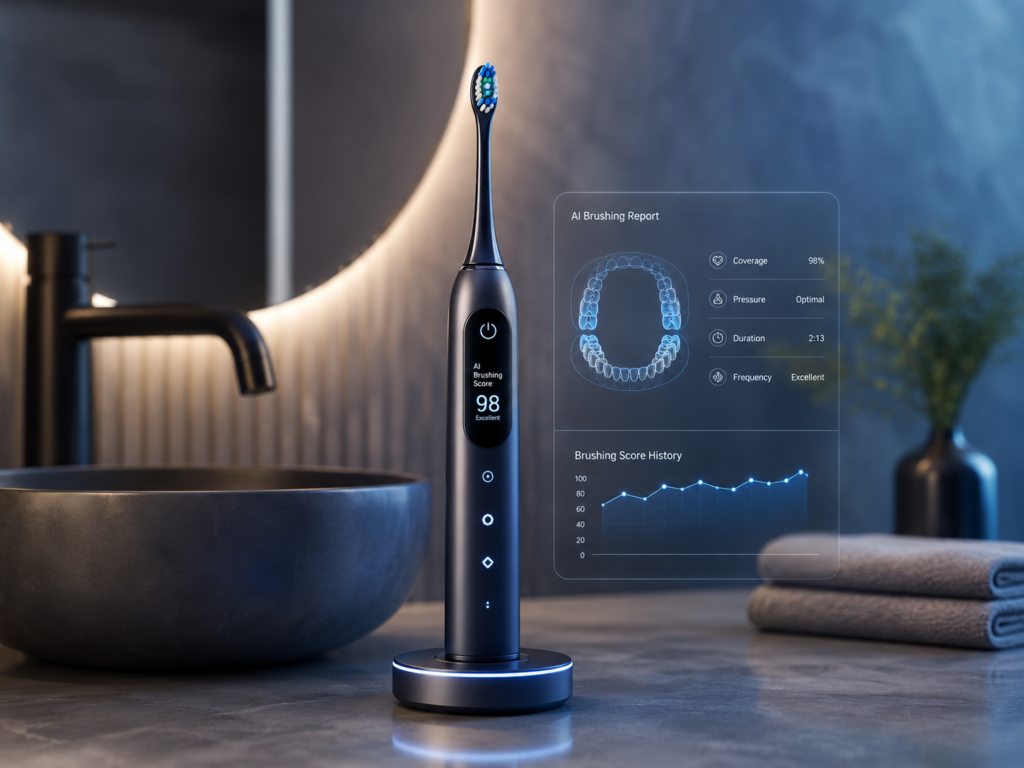
The newest category in oral hygiene combines electric toothbrushes with AI-driven behavioral tracking.
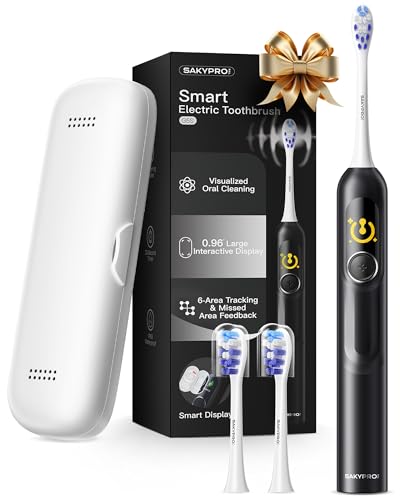
- VISUALIZED ORAL CLEANING: Never miss a spot with the G5S smart display that tracks 6 oral zones how and where you brush …
- Up to 79,000 HIGH SPEED ULTIMATE CLEAN: G5S Smart Toothbrush for adults and kids features an ultrasonic and industry lea…
- 5 PERSONALIZED MODES & 3MIN SMART TIMER: Choose from 5 modes (BEGINNER, WHITENING, FAST, MASSAGE, GENTLE) to customize y…
These systems typically include:
- Bluetooth connectivity
- Mobile brushing analytics
- Real-time coverage mapping
- Brushing score systems
- Habit coaching
- Personalized brushing recommendations
👉 Explore Smart AI Toothbrush Systems
What Smart Toothbrushes Actually Improve
Contrary to marketing hype, AI does not magically clean teeth better.
What it improves is consistency.
Users become more aware of:
- Missed brushing zones
- Brushing duration
- Excess pressure
- Neglected posterior areas
Behavioral correction often matters more than motor speed alone.
Trends & Latest Technology
The electric toothbrush market is increasingly shifting toward preventive oral analytics.
Emerging Trends
AI Gum Health Monitoring
Future systems may estimate gingival inflammation patterns using brushing resistance data.
Adaptive Brushing Algorithms
Motor intensity may automatically adjust based on detected tissue sensitivity.
Saliva & Biofilm Sensors
Experimental systems are exploring microbiome-responsive oral care.
Subscription Brush Ecosystems
Companies are integrating automatic brush-head replacement systems tied to brushing frequency.
Eco-Friendly Brush Heads
Bioplastic and recyclable head systems are expanding rapidly.
Upcoming Electric Toothbrush Models
The next generation of premium oral care systems is expected to focus on:
- AI-guided brushing personalization
- Integrated oral scanning
- Enamel wear detection
- Gum recession tracking
- Real-time pressure heat maps
- Smart plaque visualization
The industry is moving beyond “powered brushing” toward predictive oral maintenance systems.
Costs & Value Analysis
Budget Electric Toothbrushes
| Tier | Typical Range | Best For |
|---|---|---|
| Entry Level | $20–$50 | Basic daily use |
| Mid Range | $60–$120 | Gum-focused users |
| Premium | $150–$350+ | Smart coaching & AI systems |
What Actually Justifies Premium Pricing?
The most meaningful upgrades usually include:
- Better pressure management
- Superior motor stability
- Improved battery systems
- Advanced gum-safe engineering
- Smart brushing analytics
Not all premium models justify their cost equally.
Risks & Misuse Concerns
Electric toothbrushes improve oral hygiene for many users, but misuse remains common.
Potential Risks
Overbrushing
Aggressive pressure can still damage gum tissue.
Abrasive Toothpaste Pairing
Highly abrasive whitening toothpaste combined with aggressive brushing increases enamel wear risk.
Dirty Brush Heads
Poor brush-head hygiene can increase bacterial contamination.
Delayed Brush Head Replacement
Worn bristles lose cleaning efficiency and increase tissue irritation.
Excessive Whitening Modes
High-intensity polishing cycles may aggravate sensitive gums.
Electric Toothbrush vs Manual Toothbrush Comparison
| Category | Electric Toothbrush | Manual Toothbrush |
|---|---|---|
| Plaque Removal Consistency | Higher | User dependent |
| Gum Pressure Control | Better | Harder to regulate |
| Learning Curve | Moderate | Low |
| Smart Feedback | Available | None |
| Cost | Higher | Lower |
| Travel Simplicity | Moderate | Excellent |
| Technique Dependency | Lower | Higher |
| Brushing Motivation | Higher | Lower |
Choosing the Right Electric Toothbrush
Best for Sensitive Gums
Sonic systems with pressure sensors
Best for Heavy Plaque
Oscillating rotating systems
Best for Tech Enthusiasts
AI smart toothbrush systems
Best for Travelers
Compact USB rechargeable models
Best Budget Choice
Simple timer-equipped sonic brushes
Frequently Asked Questions (FAQs)
Are electric toothbrushes better for gum health?
Electric toothbrushes can improve gum health when used correctly because they provide more consistent plaque removal and reduce aggressive manual scrubbing. Models with pressure sensors are especially beneficial for preventing gum recession caused by excessive brushing force.
What is the best electric toothbrushing technique?
The best electric toothbrushing technique involves gently guiding the brush head tooth-by-tooth at a 45-degree angle toward the gumline while allowing the motorized motion to perform the cleaning. Avoid aggressive horizontal scrubbing.
How do you use an electric toothbrush properly?
Use an electric toothbrush by placing the brush head against the teeth before activating the motor, then slowly guiding it across each quadrant for at least two minutes total while applying minimal pressure.
Are sonic toothbrushes better than oscillating toothbrushes?
Sonic toothbrushes are often preferred for sensitive gums and gentler soft tissue interaction, while oscillating toothbrushes are commonly favored for stronger surface polishing and plaque removal.
How often should electric toothbrush heads be replaced?
Most brush heads should be replaced every 8–12 weeks, or sooner if the bristles become frayed or bent.
Can You Bring an Electric Toothbrush on a Plane?
Yes, you can bring an electric toothbrush on a plane in both carry-on and checked luggage. Most modern electric toothbrushes use small rechargeable lithium-ion batteries or standard replaceable batteries, which are generally permitted under airline and airport security regulations.
For frequent travelers, carrying your electric toothbrush in hand luggage is usually the better option because it protects the device from damage and makes oral care more convenient during long flights or layovers.
When flying with an electric toothbrush, consider these travel tips:
- Use a protective travel case to keep the brush head clean
- Pack charging cables or USB-C accessories separately for easier screening
- Avoid storing wet brush heads inside sealed cases for long periods
- If your toothbrush uses removable lithium batteries, check airline battery policies before international flights
- Choose compact travel electric toothbrush models with long battery life for easier packing
Many travel-friendly electric toothbrushes now include:
- Flight-safe lithium battery systems
- USB charging support
- Compact carrying cases
- Automatic travel lock modes that prevent accidental activation inside luggage
People Also Ask (PAA)
Do dentists recommend electric toothbrushes?
Many dentists recommend electric toothbrushes because they improve brushing consistency and help users maintain healthier plaque control habits.
Can electric toothbrushes damage enamel?
Improper technique, excessive pressure, and abrasive toothpaste combinations can contribute to enamel wear, especially over long periods.
What is the best electric toothbrush for sensitive teeth?
The best options for sensitive teeth typically include sonic brushing systems with pressure sensors and adjustable intensity modes.
Is a smart toothbrush worth buying?
Smart toothbrushes can improve brushing behavior through coaching, pressure monitoring, and coverage tracking, particularly for users with inconsistent brushing habits.
Are expensive electric toothbrushes worth it?
Premium models may justify their price when they offer superior pressure management, durable motors, improved battery systems, and advanced brushing analytics.
Hydro-Insight
Electric toothbrushes are no longer niche gadgets sitting beside bathroom sinks. They have become behavioral correction tools, plaque-management systems, and soft tissue preservation devices engineered around long-term oral stability.
The biggest shift in modern oral care is not simply more power — it is more control.
Pressure regulation, guided coverage, adaptive cleaning patterns, and tissue-conscious engineering are redefining how daily brushing interacts with enamel and gingiva alike.
Inside the evolving world of Soft Tissue Integration, the most effective oral care technologies are those that remove biofilm aggressively while treating soft tissue conservatively.
That balance defines the future of brushing.