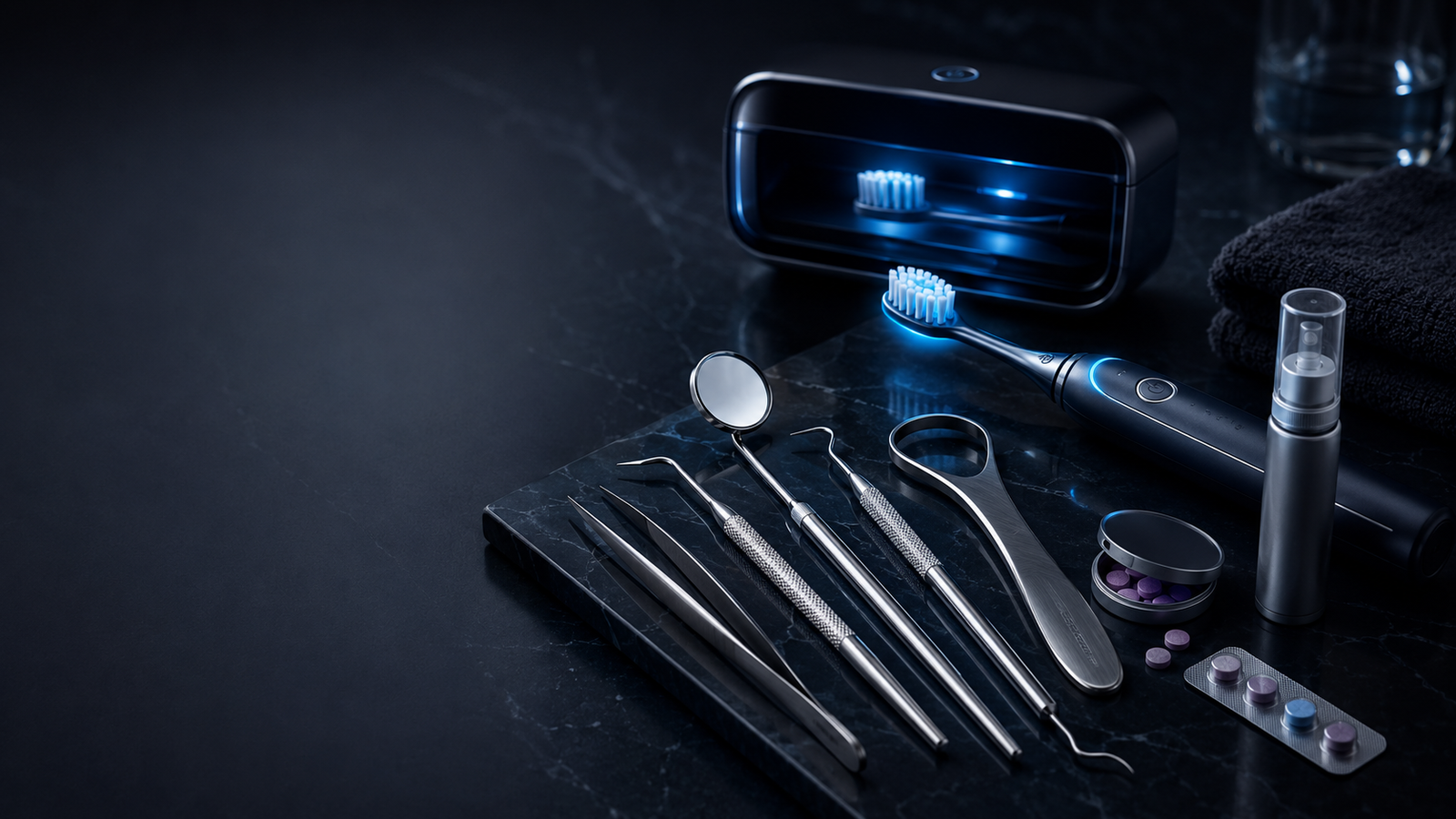
6 Best Teeth Tools for Professional Plaque Removal: 2026 Reviews
Updated in July, 2026.
Achieving a “just-left-the-dentist” feeling at home requires more than a standard toothbrush. To truly master interdental health, you need a tactical kit designed for clinical plaque removal.
At HydroPaste, we’ve lab-tested the latest teeth tools—from high-tech UV sanitizers to antimicrobial copper tongue scrapers—to help you build a professional-grade routine. Below are our top recommendations for maintaining a sterile, biofilm-free mouth.
To understand the science behind these tools, read our complete guide to Interdental Care.
Quick Picks: The Interdental Winners
Click a tool to jump to our detailed review.
| Tactical Tool | Primary Benefit | Expert Recommendation |
| UV Sanitizers | Kills 99.9% of brush bacteria | Use UV-C LED technology |
| Light Therapy Brush | In-mouth bacterial reduction | Blue Light + Sonic Vibration |
| Tongue Scrapers | Removes biofilm & halitosis | Copper or Stainless Steel |
| Mouth Sprays | Instant pH & Microbiome balance | Xylitol-based / Alcohol-free |
| Dental Mirrors | Visual inspection of hidden areas | Anti-fog Glass |
| Disclosing Tablets | Highlights missed bacterial plaque | Natural Food Grade Dye |
1. Best UV Toothbrush Sterilizer Top Picks
A UV toothbrush sterilizer is the only way to ensure your bristles aren’t reintroducing E. coli or staph into your mouth every morning.
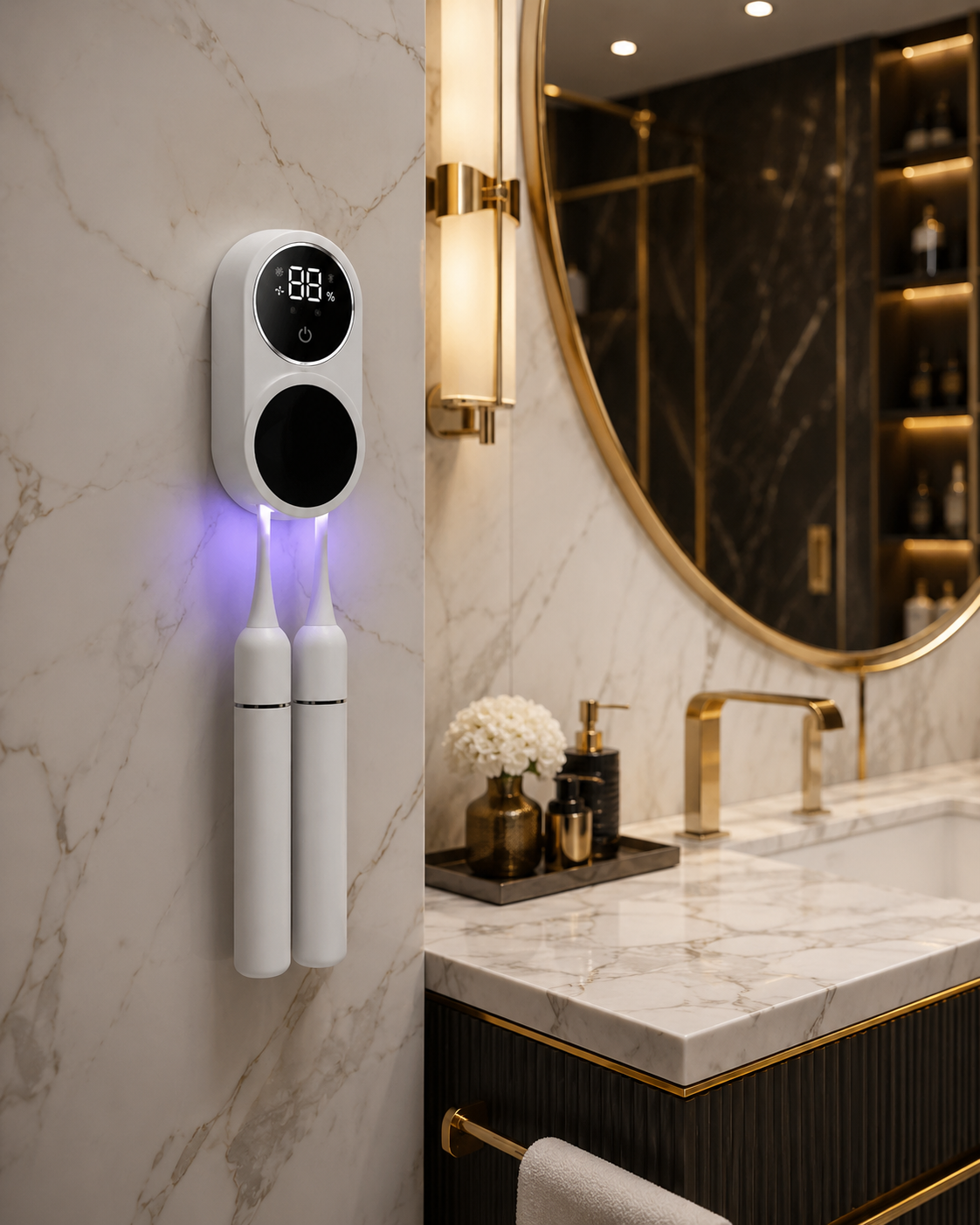
Top Pick: JetFresh UV-C Sterilizer
This UV sterilizer utilizes medical-grade UV-C light to destroy 99.9% of microbial DNA in under 3 minutes. Unlike basic cases, its 360-degree light path reaches the base of the bristles.
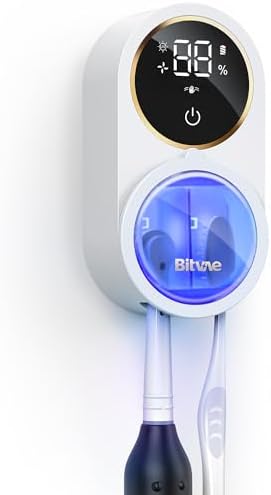
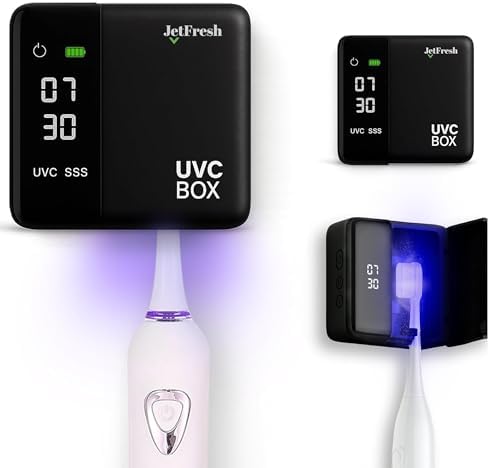

- Efficient UV Toothbrush Holder for Organized Oral Care: This advanced toothbrush holder features UV light technology des…
- Durable UV Toothbrush Holder Bulbs: Designed with long-lasting UV light bulbs for consistent performance during regular …
- Portable UV Toothbrush Cleaner for Any Setting: Compact and lightweight, this toothbrush holder is ideal for home, trave…
- Best For: Families and travelers.
- Pros: Wall-mounted, auto-timing, USB-C rechargeable.
2. The Future of Hygiene: Light Therapy Toothbrush
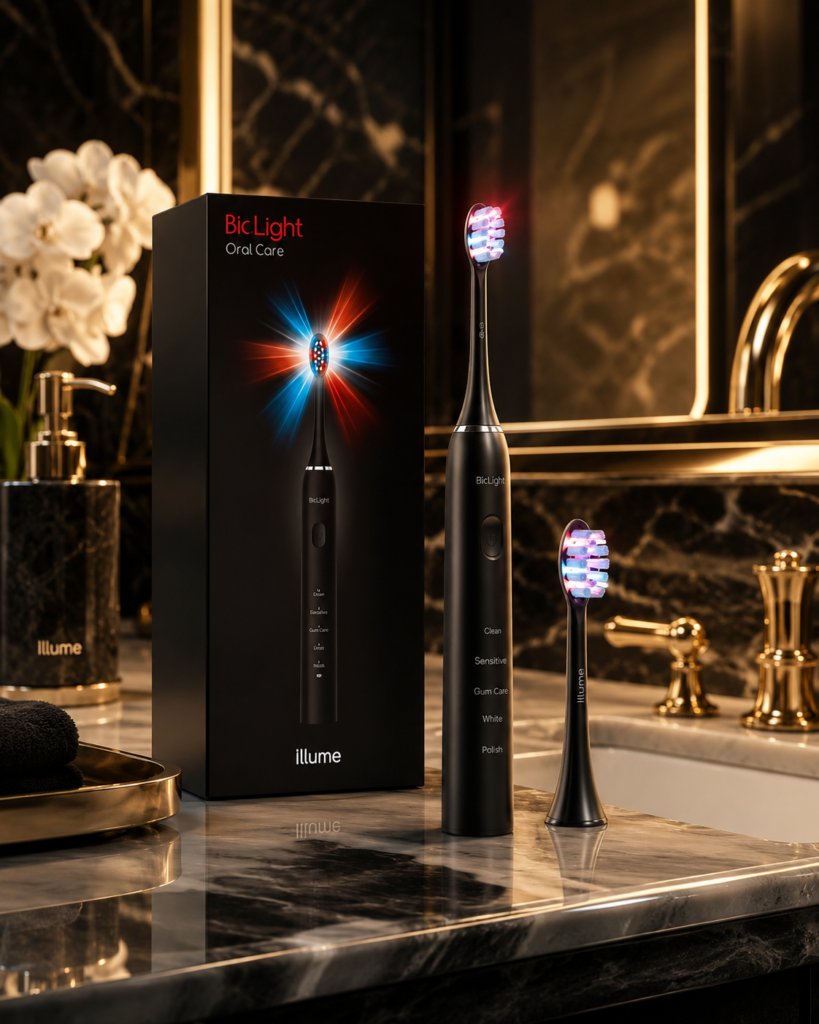
While a UV toothbrush sanitizer focuses on cleaning your bristles after use, the latest innovation in teeth tools brings that germ-killing power directly into your mouth.
Our Top Pick: Opti-BlueRay Tech
A light therapy toothbrush utilizes integrated blue light technology to perform dual functions: accelerating plaque removal and reducing oral bacteria while you brush.
By combining the logic of a UV light sanitizer with high-frequency sonic vibrations, these brushes target stains and microbes on your enamel in real-time. It is the ultimate “Deep Clean” tool for those who want to actively improve gum health and brightness every single morning.
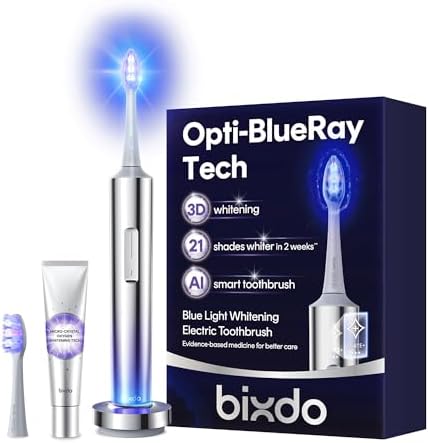

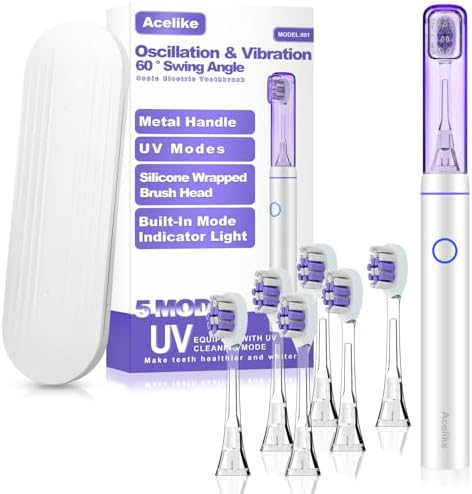

Key Benefit: Dual-action whitening and bacterial reduction.
Best For: Users looking for a high-tech shortcut to professional results.
3. Best Tongue Scrapers for Fresh Breath
If you aren’t using a metal tongue cleaner, you are leaving half the bacteria in your mouth behind. For effective plaque removal from the tongue’s surface, material matters.
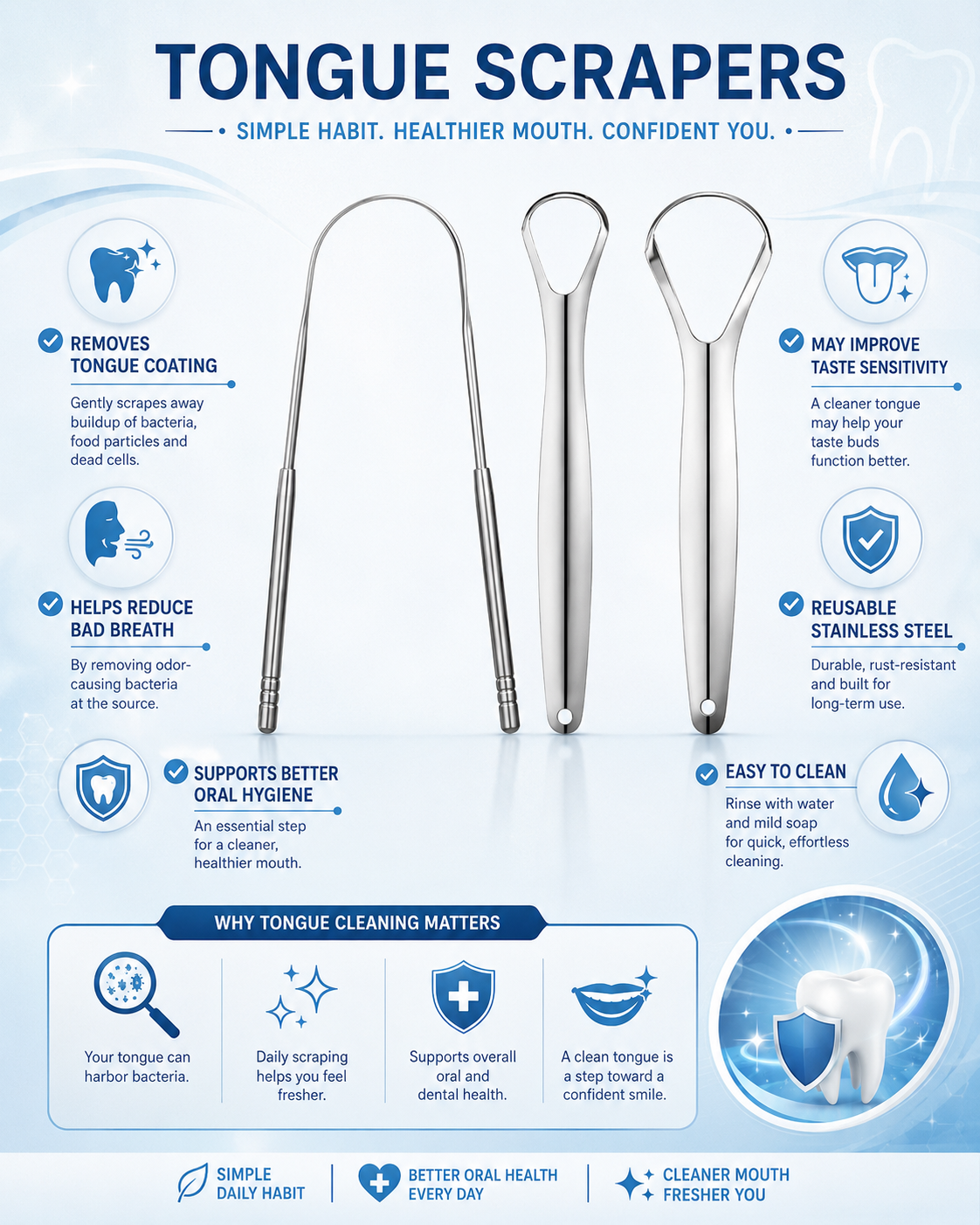
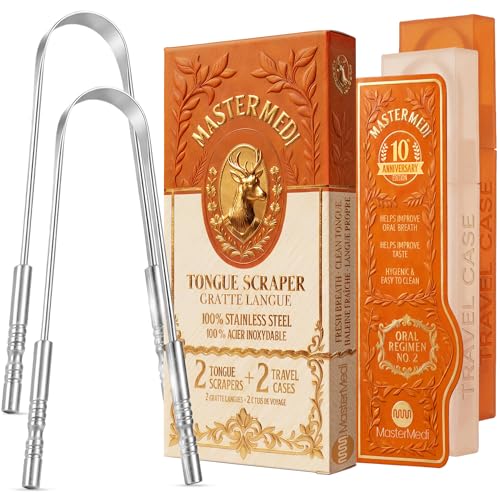
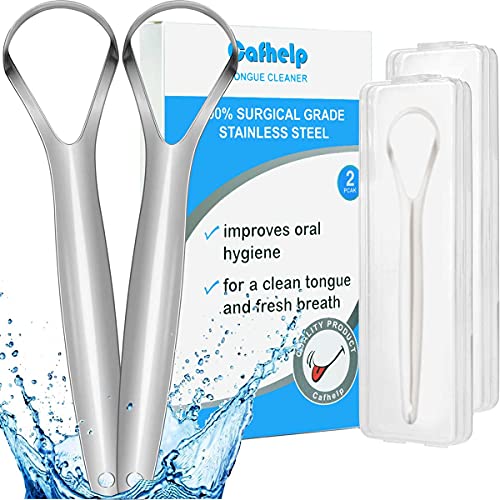
The Gold Standard: MasterMedi and Calfhelp Stainless Steel Tongue Scrapers
For those who want a clinical “edge” without irritation, this stainless tongue cleaner is the top choice. It’s dishwasher safe and designed to last a lifetime.
The Ayurvedic Choice: The Arista Copper Tongue Cleaner
From the infant tongue cleaner designed for soft gums to the rugged metal tongue cleaner, there is a tool for every age.

- Fresh Breath in Seconds: Eliminate bad breath in one sweep with this copper tongue scraper for adults. Designed to remov…
- 100% Pure Copper: Made from uncoated copper for true Ayurvedic benefits. This metal tongue scraper is naturally hygienic…
- Daily Detox Rooted in Ayurveda: Boost your digestion, sense of taste, and feel your best using this copper tongue cleane…
- Copper Tongue Scraper: Prized in Ayurvedic medicine, a copper tongue cleaner is naturally antimicrobial. Copper ions are toxic to bad bacteria, making a copper tongue scraper a self-sanitizing choice.
- Stainless Steel Tongue Scraper: If you want durability, a stainless steel tongue scraper or stainless tongue cleaner is the gold standard. They are dishwasher safe and virtually indestructible.
- Plastic vs. Metal: While plastic options are cheap, a metal tongue cleaner provides a more effective “edge” to remove the coating without being abrasive.
Do Tongue Scrapers Work
Yes, tongue scrapers can work—particularly for removing the visible coating of bacteria, food debris and dead cells that accumulates on the tongue. Research suggests that mechanical tongue cleaning may reduce tongue coating and the volatile sulfur compounds associated with bad breath, although the improvement is generally short-term and the overall evidence remains limited.
A tongue scraper should therefore be viewed as a useful addition to daily oral hygiene rather than a treatment for every cause of halitosis. Gentle scraping may help the mouth feel cleaner and the breath smell fresher, but it does not replace brushing with fluoride toothpaste, cleaning between the teeth or seeking dental advice for persistent bad breath.
How to Use a Tongue Scraper
- Extend your tongue.
- Place the tongue cleaner at the back.
- Pull forward with gentle pressure.
- Rinse the tongue scraper and repeat.
4. Best Electric Oral Spray
Maintaining oral microbiome balance on the go is essential for preventing acid attacks. A high-quality mouthspray does more than mask odor; it changes the chemistry of your breath.
The Rise of the Electric Oral Spray
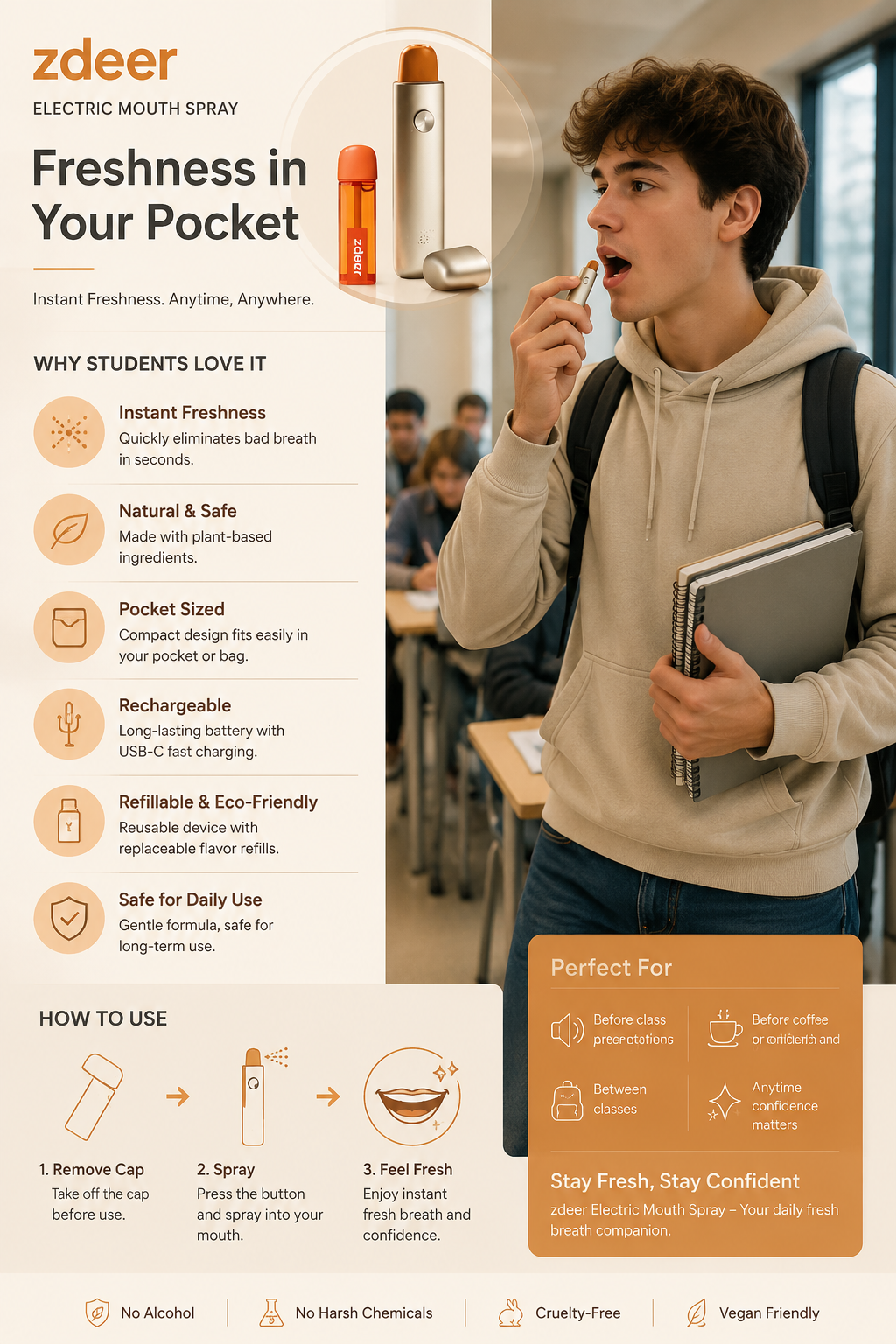
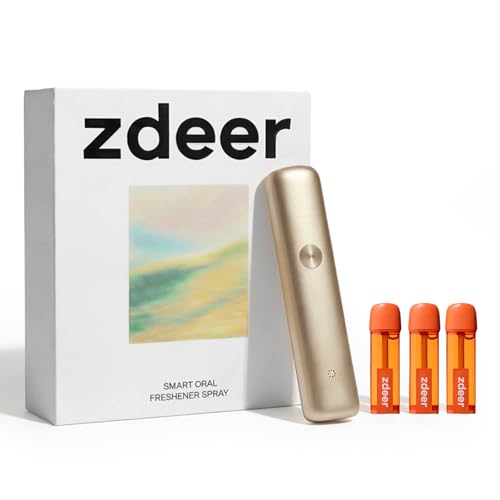
The latest innovation in the “tooth tools” category is the electric oral spray. Unlike traditional manual pumps, an electric oral spray provides a fine, consistent mist that reaches deeper into the nooks of the mouth and throat, and helps maintain microbiome balance throughout the day.
- Antiseptic Benefits: Many mouth sprays are infused with xylitol or essential oils that do more than mask odor; they actually neutralize the acidity that causes decay.
- Portability: A sleek mouthspray fits in your pocket, ensuring your oral microbiome stays balanced throughout the day.
Top Picks: Aiuvonel & zdeer Electric Oral Spray

5. Top Dental Mirror for Home Exams
To stay ahead of enamel repair needs, you must be able to see what is happening in the back of your mouth. A high-quality dental mirror allows you to spot “white spot lesions” or gum inflammation before they become expensive emergencies.
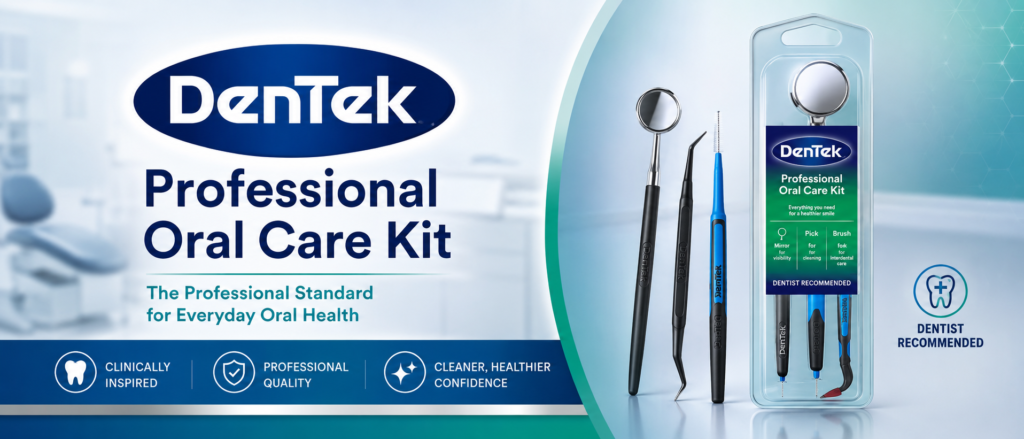
Our Top Pick: DenTek Professional Oral Care Kit
This professional-grade teeth tools features a long, stainless steel handle and a distortion-free, anti-fog glass head. It’s designed to provide 100% visual access to the lingual (back) side of your teeth.

- DenTek Professional Oral Care Kit, Advanced Clean helps fight bad breath and whiten teeth
- Hard plastic scaler is designed for daily use and to remove plaque
- Medical grade, FDA approved stainless steel pick and scaler are for weekly use to remove plaque, tartar and food particl…
Why Use a Dental Mirror at Home?
- Key Benefit: Allows for precise inspection of interproximal spaces.
- Identify Early Issues: Identify early decay with your mirror to start enamel remineralization before a cavity forms.
- Post-Procedure Monitoring: If you’ve had a wisdom tooth extraction or a filling, a dental mirror helps you monitor the healing process.
- Checking Plaque: Pair your mirror with plaque disclosing tablets to see exactly where you are missing during your brushing routine.
6. Best Plaque Disclosing Tablets
We all think we’re experts at plaque removal, but plaque disclosing tablets often prove otherwise. These are the ultimate audit tool for your interdental care routine, turning an invisible biofilm into a visible target.
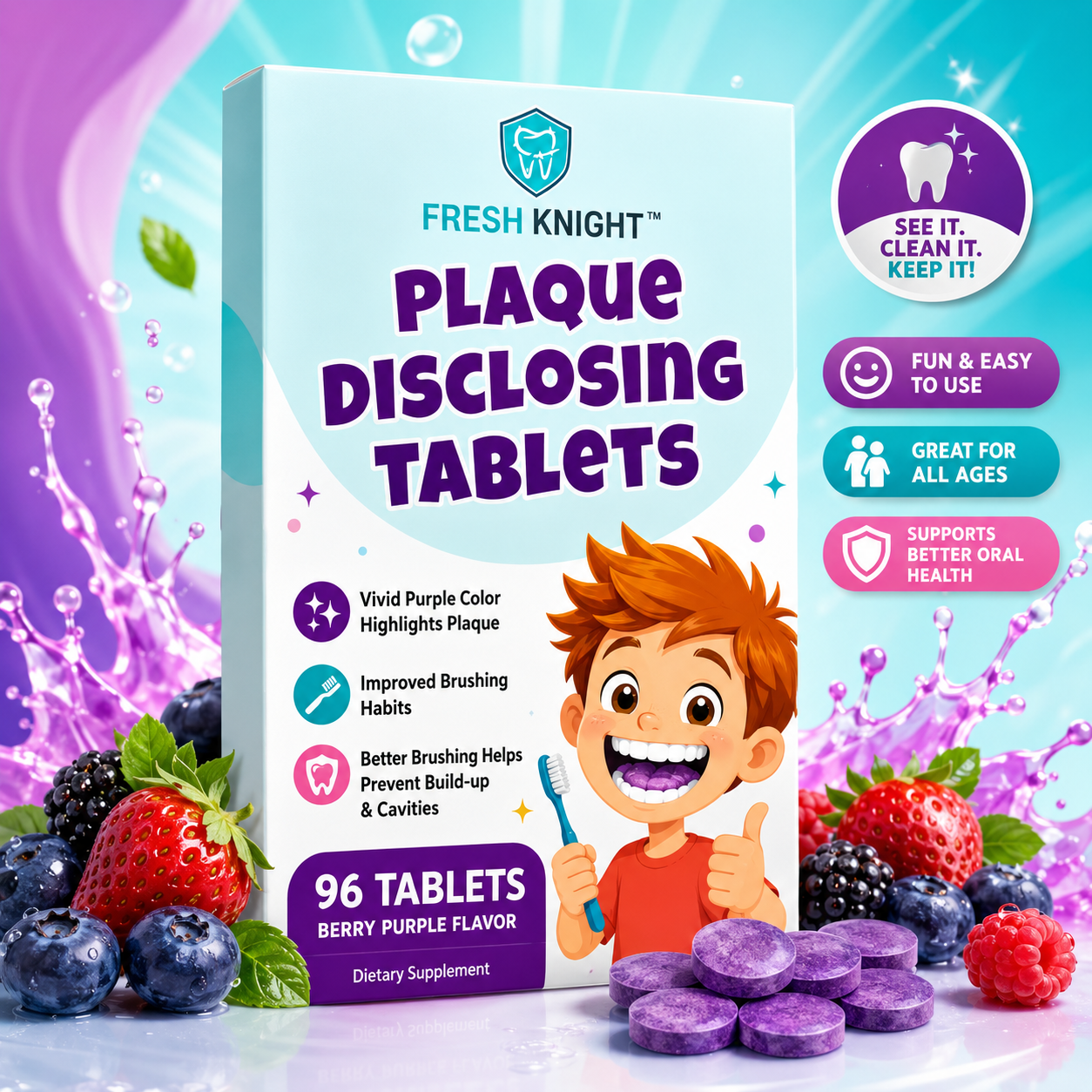
Our Top Pick: Fresh Knight Plague Disclosing Tablets
These tablets use natural, food-grade dyes to highlight plaque. Newer plaque stains pink, while older, more dangerous plaque stains blue—showing you exactly where your technique needs work.
- Key Benefit: Provides an objective “scorecard” for your brushing and flossing.
- Ideal For: Adults refining their routine and children learning the science of interproximal cleaning.
Where Can I Buy Plaque Disclosing Tablets?
Plaque disclosing tablets are widely available from dental-care retailers, pharmacies and online marketplaces. For convenience, product variety and access to customer reviews, Amazon is often one of the easiest places to buy plaque disclosing tablets.
When choosing a product, look for clearly labeled dental plaque disclosing tablets from a reputable oral-care brand, check the recommended age range and review the usage instructions before ordering. You can compare available options and purchase plaque disclosing tablets through Amazon here 👇

- Fresh Knight Tru-Clean Purple Chews plaque (96) tablets are a fun and practical way to teach kids to brush their teeth p…
- Help improve overall oral health and help avoid dental issues by following the purple path laid out by Tru-Clean plaque …
- Berry flavored plaque tablets for kids and adults alike taste great too! Perfect motivator for the entire family to craf…
The Precision Audit:
To truly master interproximal cleaning, you need an objective way to measure your success. Pairing a high-definition dental mirror with plaque disclosing tablets turns your bathroom into a mini-clinic.
By revealing the invisible biofilm with a tablet and then using the mirror to hunt down hidden spots behind your molars, you ensure 100% plaque removal every single night.
- Brush as usual: Perform your standard routine first.
- Chew & Swish: Use one of the plaque disclosing tablets. Ensure the dye covers all surfaces, then spit and rinse lightly with water.
- The Pair: Now, use your dental mirror to inspect the lingual (tongue-side) of your teeth and your back molars. The dye will highlight exactly where your plaque removal technique failed.
- Precision Clean: Now, use your teeth tools (electric brush or interdental picks) to specifically scrub away the stained areas until your teeth are clear.
- Record: For the best results, take note of the “red zones” so you can focus on those areas tomorrow.
Tools alone aren’t enough without a full system, explore our complete oral care system guide.
How We Test Our Teeth Tools
Our selection process for interproximal cleaning gear is based on three clinical pillars:
- Material Safety: We prioritize non-toxic, medical-grade metals and BPA-free plastics.
- Clinical Efficacy: Does the UV light sanitizer actually kill bacteria, or is it just a blue light? We verify lab results.
- Durability: Teeth tools should be an investment, not a disposable plastic item.
Which Tools Do You Need, to Begin With?
If you are just starting your interdental journey, prioritize these three:
- A stainless steel tongue scraper for immediate breath improvement.
- A UV toothbrush sanitizer to keep your primary brush sterile.
- Plaque disclosing tablets to audit your current brushing technique.
Ready to complete your kit? Explore our individual Soocas NEOS II Review or see our guide to Best Sonic Toothbrush 2026.
Frequently Asked Questions
What Are the Best Teeth Tools for Plaque Removal at Home?
The best teeth tools for plaque removal are a soft-bristled manual or powered toothbrush, fluoride toothpaste, dental floss, interdental brushes or a water flosser. Plaque disclosing tablets can reveal missed areas, while a tongue scraper and dental mirror support a more complete oral hygiene routine. Toothbrush bristles cannot effectively clean every tight interdental space, so daily cleaning between the teeth remains essential.
Do UV Toothbrush Sanitizers Really Work?
A UV toothbrush sanitizer may reduce microorganisms on a brush head when the device uses an enclosed UV-C chamber and has product-specific testing. However, a toothbrush sterilizer does not make a brush completely sterile, and evidence that ordinary toothbrush bacteria cause health problems is limited. Rinse the brush, store it upright and allow it to air-dry even when using a UV toothbrush sanitizer.
What Is the Best Tongue Scraper for Bad Breath?
The best tongue scraper for bad breath is one that has a smooth edge, comfortable width and enough control to remove tongue coating without causing pain. Stainless steel tongue scrapers are durable and easy to clean, while copper tongue scrapers appeal to users seeking a traditional metal tongue cleaner. Tongue scraping may temporarily reduce odor-producing compounds, but persistent bad breath requires professional evaluation.
Is a Copper or Stainless Steel Tongue Scraper Better?
A stainless steel tongue scraper is usually better for durability, simple cleaning and long-term use. A copper tongue scraper offers a traditional Ayurvedic design but may require more careful drying and maintenance as its surface changes over time. The most effective metal tongue scraper is the one that can be used gently and consistently without irritating the tongue.
How Often Should You Use a Tongue Scraper?
Most adults can use a tongue scraper once daily, preferably before or after morning toothbrushing. Place the tongue cleaner toward the back of the tongue, pull it forward gently and rinse it after each pass. Excessive pressure or repeated scraping can irritate the tongue and does not produce better plaque or bad-breath control.
Teeth Tools Comparison Table
| Tool | Best Use | Suggested Frequency | Important Limitation |
|---|---|---|---|
| Electric toothbrush | Daily plaque removal | Twice daily | Technique still matters |
| Interdental cleaner | Plaque between teeth | Once daily | Correct size is essential |
| Tongue scraper | Tongue coating and breath | Once daily if comfortable | Does not treat every cause of halitosis |
| Plaque disclosing tablets | Brushing-technique audit | Weekly or as directed | Dye may temporarily stain |
| Dental mirror | Viewing hidden tooth surfaces | As needed | Cannot diagnose decay |
| UV toothbrush sanitizer | Brush-storage hygiene | After brushing, per instructions | Does not replace rinsing and air-drying |
| Electric oral spray | On-the-go breath support | As needed | Does not replace brushing |
| Light therapy toothbrush | Smart oral-care routine | Per manufacturer instructions | Benefits depend on the individual device |
How Do Plaque Disclosing Tablets Work?
Plaque disclosing tablets contain dye that adheres to bacterial plaque left on the teeth after brushing. Once the tablet is chewed and distributed around the mouth, stained areas show where brushing and interdental cleaning need improvement. Some two-tone plaque disclosing tablets use separate colors to distinguish newer plaque from plaque that has remained longer.
Are Plaque Disclosing Tablets Safe for Adults and Children?
Plaque disclosing tablets are generally intended as temporary oral-hygiene aids when used according to the product label. Users should avoid swallowing them, check the stated age range and supervise children. The dye may temporarily stain the tongue, lips, clothing or sink, so applying petroleum jelly to the lips and using the tablet before bedtime can make cleanup easier.
What Is an Electric Oral Spray Used For?
An electric oral spray produces a controlled mist for temporary breath freshness, oral moisture or delivery of ingredients such as xylitol, depending on the formula. It can be useful after meals, while travelling or when brushing is temporarily unavailable. An electric mouth spray should not be marketed as a substitute for fluoride toothpaste, interdental cleaning or treatment for chronic bad breath.
Teeth Tools Role Chart
The chart below shows the primary role of each tool rather than claiming one device is clinically superior in every situation.
| Teeth Tool | Main Role | Role Strength |
|---|---|---|
| Powered or manual toothbrush | Cleaning exposed tooth surfaces | █████ |
| Floss or interdental cleaner | Removing plaque between teeth | █████ |
| Tongue scraper | Removing tongue coating | ████ |
| Plaque disclosing tablets | Revealing missed plaque | ████ |
| Dental mirror | Improving visibility | ███ |
| UV toothbrush sanitizer | Supporting brush-head hygiene | ██ |
| Electric oral spray | Temporary freshness and moisture | ██ |
| Light therapy toothbrush | Technology-assisted brushing | ██ |
Does a Light Therapy Toothbrush Remove More Plaque?
A light therapy toothbrush combines powered brushing with blue or visible-light technology, but plaque-removal benefits depend on the complete device, brushing action and supporting clinical evidence. Consumers should prioritize a two-minute timer, pressure control, comfortable bristles and proven powered-brushing performance rather than assuming that illuminated bristles automatically deliver superior results. Current premium toothbrushes increasingly include smart feedback, pressure sensors and sanitizing cases.
Is a Dental Mirror Safe for Home Use?
A dental mirror is generally safe for visual inspection when it has smooth edges and is used without pressing against the gums. It can help users view plaque behind the lower front teeth, around back molars and near dental appliances. A home dental mirror cannot confirm cavities, diagnose gum disease or replace dental X-rays and professional examinations.
Teeth Tools Routine Chart
| Routine Stage | Teeth Tool | Recommended Role |
|---|---|---|
| Morning | Toothbrush and fluoride toothpaste | Clean teeth for two minutes |
| Morning | Tongue scraper | Remove visible tongue coating gently |
| Once daily | Floss or interdental cleaner | Clean between teeth and along the gumline |
| After brushing | Brush rinse and upright storage | Remove debris and promote air-drying |
| As needed | Electric oral spray | Provide temporary freshness |
| Weekly | Plaque disclosing tablet | Identify repeatedly missed areas |
| Weekly | Dental mirror | Inspect stained or difficult-to-see surfaces |
| Every 3–4 months | Replacement brush head | Replace worn or frayed bristles |
The American Dental Association advises rinsing toothbrushes after use, storing them upright, allowing them to air-dry and replacing them approximately every three to four months or sooner when the bristles become worn.
People Also Ask
What Tool Removes Plaque Between Teeth Best?
The best plaque removal tool between teeth depends on the size of the interdental space. Dental floss works well in tight contacts, while correctly sized interdental brushes can be easier around wider gaps, bridges, braces and some implants. Water flossers may help people with limited dexterity. Cleaning between the teeth once daily is more important than choosing the most technologically advanced device.
Can You Remove Hardened Tartar at Home?
Hardened tartar cannot be safely removed with ordinary home teeth tools because it is mineralized plaque firmly attached to the tooth surface. Scraping tartar with metal picks can injure the gums, scratch restorations or damage enamel. A dentist or dental hygienist should remove tartar with professional scaling instruments.
What Teeth Cleaning Tools Do Dentists Use?
Dentists and hygienists use professional dental mirrors, periodontal probes, ultrasonic scalers, hand scalers, polishing equipment and suction systems. These professional teeth cleaning tools require clinical training and should not be copied with sharp home dental kits. At-home plaque removal should focus on a toothbrush, fluoride toothpaste and an appropriate interdental cleaner.
How Do You Use Plaque Disclosing Tablets Correctly?
Brush and clean between the teeth first, then chew one plaque disclosing tablet without swallowing it. Move the dye across all tooth surfaces with the tongue, spit it out and rinse gently. Inspect the stained areas with a mirror, brush the colored plaque away and rinse the sink promptly to reduce staining. Always follow the product’s specific instructions.
Where Can I Buy Plaque Disclosing Tablets?
Plaque disclosing tablets are available from pharmacies, dental-care retailers and major online marketplaces. Amazon is often a convenient place to compare plaque tablet brands, two-tone formulas, age recommendations, tablet quantities and customer feedback. Choose clearly labeled dental plaque disclosing tablets from a recognized oral-care manufacturer and review the ingredient and usage instructions before ordering.
Can a UV Toothbrush Sanitizer Replace Normal Toothbrush Cleaning?
No. A UV toothbrush sanitizer cannot replace rinsing the brush head, removing trapped toothpaste and allowing the bristles to dry. UV-C technology may provide an additional sanitizing step, but the device should have an enclosed design that prevents direct UV exposure. The FDA has warned that unsafe open UV-C products can injure the eyes or skin.
How Do You Clean and Store a Tongue Scraper?
Rinse the tongue scraper under running water after every pass, wash it with mild soap after use and dry it before storage. Stainless steel tongue scrapers may also be cleaned according to the manufacturer’s dishwasher instructions. Do not share a tongue cleaner, and replace it if the surface becomes rough, bent or difficult to sanitize.
Can a Dental Mirror Detect Cavities?
A dental mirror can reveal discoloration, trapped food, plaque buildup, damaged fillings or visible surface changes, but it cannot reliably detect or diagnose cavities. Early decay may occur between teeth or beneath an apparently intact surface. Suspicious white, brown or dark areas, pain, sensitivity or persistent gum swelling should be assessed by a dental professional.
What Should Be in an Oral Hygiene Tools Starter Kit?
A practical oral hygiene tools starter kit should contain a soft-bristled toothbrush, fluoride toothpaste, dental floss or interdental brushes, a tongue scraper and plaque disclosing tablets. A dental mirror can be added for visual inspection, while a UV toothbrush sanitizer or electric oral spray is optional. The foundational teeth tools should be purchased before high-tech accessories.
Which Teeth Tools Are Best for Braces, Implants and Tight Spaces?
Dental floss or floss threaders are useful for tight spaces, while interdental brushes can clean around braces, bridges and wider gaps. Water flossers may provide easier powered cleaning around complex dental work. The correct interdental-brush size matters because forcing an oversized brush between teeth can irritate or damage the gums. Ask a dentist or hygienist to recommend the safest teeth tools for implants or orthodontic appliances.
Teeth Tools Selection Table
| User Need | First-Choice Tool | Supporting Tool |
|---|---|---|
| Plaque on tooth surfaces | Powered or manual toothbrush | Plaque disclosing tablet |
| Plaque in tight contacts | Dental floss | Dental mirror |
| Wider interdental spaces | Interdental brush | Water flosser |
| Tongue coating | Stainless steel tongue scraper | Alcohol-free mouth spray |
| Braces | Interdental brush | Water flosser |
| Limited hand dexterity | Powered toothbrush | Powered interdental cleaner |
| Brushing-technique improvement | Plaque disclosing tablets | Dental mirror |
| Toothbrush storage hygiene | Upright air-drying | Enclosed UV toothbrush sanitizer |
| Temporary breath freshness | Tongue cleaning | Electric oral spray |
| Suspected tartar or decay | Professional dental visit | Home tools only for routine maintenance |
Editorial Advice
Teeth tools should support a proven oral-care routine, not replace it. Prioritize twice-daily brushing with fluoride toothpaste and daily interdental cleaning before investing in UV sanitizers, electric oral sprays, light therapy toothbrushes, or other high-tech accessories.
Choose products with clear safety instructions, durable materials, and credible performance testing. Avoid sharp home scaling tools, aggressive tongue scraping, or devices that promise to remove tartar, cure gum disease, or replace professional dental care. Persistent bad breath, bleeding gums, tooth pain, visible decay, or hardened tartar should be assessed by a dentist.