
Boka Dental Floss Review: The Key to Cleaning the Hidden 40% of Your Teeth
Updated October, 2026.
A complete oral care routine is not built on brushing alone. Toothpaste can clean, polish, refresh, and support the visible enamel surfaces, but the most overlooked part of daily oral health sits between the teeth — the narrow contact points, gumline edges, and interproximal spaces where a toothbrush simply cannot reach. This is often called the “hidden 40%” of your teeth, and ignoring it can leave a major part of your mouth exposed to plaque buildup, gum irritation, bad breath, and cavity risk.
That is where this Boka Dental Floss review becomes important, especially when viewed as part of a broader system rather than a standalone product evaluation. If you want to see how flossing fits into a structured daily protocol that includes brushing, remineralization, and microbiome support, you can explore the Boka complete oral care routine guide for a full breakdown of how each step works together in a biomimetic system.
Boka is already known for its modern oral care approach, especially through its nano-hydroxyapatite toothpaste formulas designed to support enamel-focused daily care. But even the best remineralizing toothpaste cannot fully protect the spaces between teeth if plaque, food particles, and bacteria remain trapped there. For users who want a cleaner, more complete oral care system, Boka floss is designed to handle the part of the routine brushing leaves behind.
Brushing mainly targets the outer, inner, and chewing surfaces of teeth. Flossing targets the tight spaces where teeth touch each other and where the gumline forms small pockets around each tooth. These areas can become a quiet breeding ground for sticky plaque and anaerobic bacteria — the kind of bacteria that thrive in low-oxygen environments and are closely associated with gum inflammation, bleeding gums, persistent breath odor, and interproximal cavities. When these zones are neglected, your mouth may feel clean after brushing while deeper buildup continues developing between the teeth.
A high-quality dental floss should do more than slide through contact points. It should remove plaque effectively, feel comfortable against the gums, resist shredding, and make daily flossing feel less like a punishment and more like a realistic habit. This is where Boka dental floss positions itself differently from basic string floss. It aims to combine performance, comfort, and a cleaner oral care experience for people who want better plaque control without harshness or unnecessary friction.
On Hydropaste.com, we look at oral care through a complete-mouth framework: enamel support, gum health, microbiome balance, surface cleaning, and interproximal hygiene all matter. Boka toothpaste may support visible enamel surfaces, but Boka dental floss addresses the areas where brushing cannot perform. Used together, they create a more complete routine: toothpaste for the surfaces you can reach, floss for the hidden spaces you cannot afford to ignore.
This review examines how Boka floss fits into a modern oral hygiene routine, who it may be best for, how it compares to ordinary dental floss, and whether it deserves a place beside your toothpaste, mouthwash, and other daily oral care tools. If your goal is fresher breath, cleaner gums, better plaque control, and a more complete daily routine, the real question is not whether flossing matters. The question is whether Boka floss makes the habit easier, cleaner, and more effective enough to use every day.
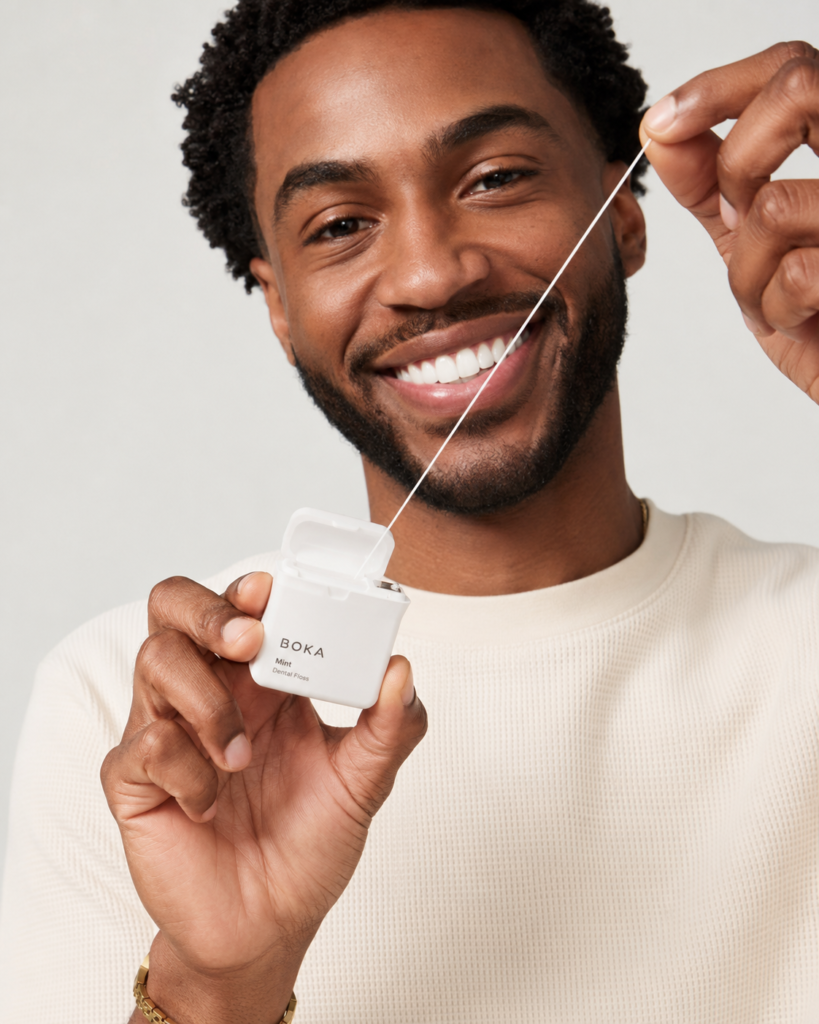
The Hidden Danger: Your Current Floss Might Be Toxic
Most people think dental floss is just a simple thread designed to remove food and plaque. But in reality, the material, coating, texture, and glide technology behind a floss can make a major difference — not only in how well it cleans, but also in what it may be introducing into your mouth every day.
The problem is that many conventional flosses are engineered for smoothness above everything else. That effortless “glide” feeling can be convenient, especially for tight teeth, crowded teeth, bridges, or deep contact points. But in some traditional floss products, that slick movement has historically come from synthetic coatings designed to reduce friction. For a daily oral care product that is rubbed directly against the gumline, that raises a serious question: what exactly is your floss coated with?
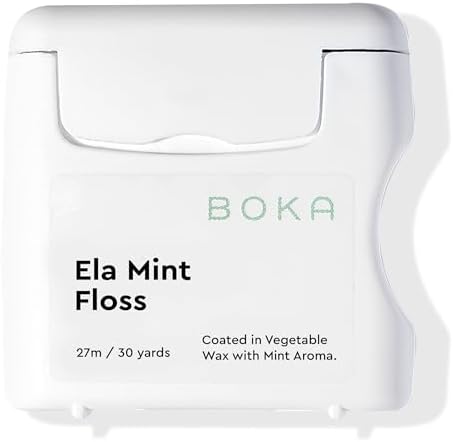
- EFFECTIVE PLAQUE REMOVAL IN TIGHT SPACES: The build-up of plaque can lead to oral issues such as cavities & gum diseases…
- STRONG YET GENTLE DENTAL FLOSS: Our floss is both sturdy & gentle on the gums & teeth, giving maximum cleaning in both t…
- ORAL HYGIENE w/ HEALTHY INGREDIENTS: Made with vegan, cruelty-free, PFAS-Free and gluten-free vegetable-wax – regular us…
This is where boka floss becomes more relevant than ordinary dental string. Boka positions its dental floss around a cleaner-material philosophy: plaque removal without the questionable chemical coating profile that has made some mainstream flosses controversial.
The PFAS “Forever Chemical” Problem
PFAS, short for per- and polyfluoroalkyl substances, are a large family of synthetic chemicals often called “forever chemicals” because they can persist in the environment and the human body for long periods of time. These compounds are known for resisting water, grease, oil, and heat, which is why they have been used in products such as non-stick cookware, stain-resistant fabrics, water-repellent materials, and certain industrial coatings.
In dental floss, the concern is not that every floss contains PFAS. The concern is that some flosses have used fluorinated or PTFE-style materials to create a slick, shred-resistant glide. PTFE is the same general polymer better known through Teflon-style non-stick technology. While that may sound useful from a performance standpoint, it becomes less attractive when you consider where floss is used: between teeth, along the gumline, and against soft tissue that can be sensitive, inflamed, or micro-abrasioned during cleaning.
Your gums are not the same as the surface of a kitchen pan. They are living oral tissue, connected to blood flow, immune response, and the delicate ecology of the mouth. A floss that feels smooth should not require a material profile that makes health-conscious users uncomfortable.
Why Chemical-Free Floss Matters for Daily Oral Hygiene
Flossing is not an occasional beauty step. For many people, it is a daily or near-daily habit. That means the safety profile of floss matters because small exposures can become routine exposures over time.
When you use floss, the strand does three things at once: it slides through tight contacts, scrapes plaque from the sides of teeth, and moves along the gumline. If the floss is coated with undesirable synthetic chemicals, those materials may come into contact with saliva, plaque biofilm, and gum tissue during repeated use. This does not mean every user faces the same level of risk, but it does mean cleaner floss materials are a rational upgrade for people who care about ingredient quality.
A modern oral hygiene routine should not only ask, “Does this product work?” It should also ask, “Is this product clean enough to use every day?”
That is the difference between basic flossing and a more thoughtful interdental care routine. Interdental cleaning is not just about removing whatever gets stuck between your teeth. It is about choosing tools that support gum health, plaque control, oral microbiome balance, and long-term daily consistency.
Boka Floss and the Cleaner Glide Advantage
The appeal of boka floss is that it aims to give users the functional benefits of a smooth flossing experience without relying on the chemical profile that has made some conventional glide flosses questionable. Boka’s floss is marketed as PFAS-free, PTFE-free, and petroleum-free, which makes it more attractive for people who want a cleaner alternative to traditional coated floss.
That matters because floss has to be practical. A floss can have the cleanest ingredient list in the world, but if it shreds, snaps, feels rough, or gets stuck between tight teeth, most people will stop using it. The best floss is not only the safest-looking option on paper; it is the one you can actually use consistently.
Boka floss is designed to fit that middle ground: cleaner materials, comfortable handling, and enough glide to make daily flossing feel less irritating. Instead of treating floss as an afterthought, Boka treats it like a serious part of oral care — the tool responsible for cleaning the spaces toothpaste cannot reach.
The Problem With “Clean Teeth” That Are Only Half Clean
A mouth can feel fresh after brushing while still hiding plaque between the teeth. This is one of the most common blind spots in oral hygiene. Toothpaste, even a high-quality nano-hydroxyapatite toothpaste, is not designed to physically scrape plaque from tight interproximal spaces. Mouthwash can rinse, but it cannot mechanically disrupt sticky plaque the way floss can.
That is why floss quality matters. If you avoid flossing because your current floss feels harsh, chemical, waxy, artificial, or uncomfortable, the result is not just a product preference issue. It can become a plaque-control issue.
The purpose of boka floss is not simply to make flossing feel more premium. Its real value is habit support. A better floss can make interdental cleaning feel cleaner, smoother, and easier to repeat — and consistency is where oral health gains are built.
Why Boka Floss Is a Better Fit for Ingredient-Conscious Users
For people already using Boka toothpaste, switching to Boka floss makes sense because it keeps the routine aligned. If you are choosing a toothpaste because you care about enamel support, biocompatibility, and cleaner daily ingredients, it is inconsistent to ignore the floss that touches your gums every night.
Boka floss fits especially well for users who want:
- A PFAS-free dental floss alternative
- A PTFE-free floss for daily use
- A petroleum-free floss option
- A cleaner floss for tight teeth
- A floss that supports a more complete oral care routine
- A better match for nano-hydroxyapatite toothpaste users
- A daily floss that feels less like a harsh chemical-coated string
This is not about fear-based oral care. It is about smarter product selection. A good floss should clean between teeth, support gumline hygiene, and help you stay consistent without making you wonder what you are rubbing into your mouth.
The Boka Fiber Technology For a Better Clean

Boka floss is not only positioned as a cleaner dental floss alternative. It is also designed to solve one of the biggest performance problems in everyday flossing: most floss does not actually clean as thoroughly as users assume.
Many traditional dental floss products are built as thin, slick ribbons. They can slide between teeth easily, but that same slipperiness can work against them. Instead of gripping plaque, they may skim across the tooth surface, move debris around, or miss the curved edges where plaque collects near the gumline. For people with tight teeth, sensitive gums, or inconsistent flossing habits, this can make daily flossing feel both uncomfortable and underwhelming.
Boka takes a different approach with its fiber-based design. Rather than relying only on a flat, plastic-like strand, Boka floss uses an expanding woven texture that is meant to create more surface contact inside the interdental space. The goal is simple: better plaque removal, better comfort, and a cleaner flossing experience without the harsh feeling many people associate with conventional string floss.
1. Expanding Microfibers for Deeper Interdental Cleaning
The standout feature of Boka dental floss is its expanding microfiber structure. The floss is woven with many soft fibers that begin relatively slim, allowing the strand to pass between tight tooth contacts. Once exposed to moisture from saliva, the fibers expand slightly and create a fuller cleaning surface.
This matters because interdental spaces are not flat. The area between two teeth includes curved enamel surfaces, small gumline edges, and narrow pockets where plaque can settle. A flat floss may touch only part of that surface. An expanding floss can adapt more closely to the shape of the space, helping it make broader contact as it moves up and down the sides of each tooth.
That is where the “scrubbing” effect becomes valuable. Boka floss does not simply slide between teeth; its woven fibers are designed to grip, sweep, and lift plaque biofilm and food particles. Instead of behaving like a slippery ribbon, it behaves more like a soft interdental cleaning cloth. It can catch debris that a smoother floss may miss, especially around the gumline and in areas where plaque feels sticky or compacted.
For users searching for a better dental floss for plaque removal, this texture is one of the main reasons Boka stands out. The expanding fiber design gives the floss more cleaning body without making it feel overly thick at the start. That makes it useful for two very different types of mouths: people with tight teeth who need a floss that can enter narrow contacts, and people with wider spaces who need a floss that does not feel too thin to clean effectively.
2. Better Performance for Tight Teeth and Wider Gaps
One of the most common frustrations with dental floss is that no single texture seems to work for everyone. Thin floss can be easier to insert between crowded teeth, but it may feel weak, sharp, or ineffective once it is inside the interdental space. Thick floss can clean better, but it may be difficult to push between tight contacts without snapping, shredding, or irritating the gums.
Boka floss is designed to bridge that gap. Because it starts slim and then expands with moisture, it offers a more flexible flossing experience. It can pass through tight contact points without feeling bulky, then gain more texture once it is in place. This makes it more adaptable than many standard waxed floss or flat tape-style floss options.
For people with crowded teeth, this can make flossing less frustrating. For people with small gaps, open contacts, or uneven spacing, the expanded fiber texture can feel more substantial and more effective. That dual-use design is one of the reasons Boka floss fits well into a modern oral hygiene routine: it is not limited to one mouth type.
A good floss should not force users to choose between glide and cleaning power. The best dental floss should do both: enter comfortably, then clean thoroughly once it is there.
3. Clean Vegetable Wax Coating for Smooth Glide
Glide still matters. Even the best-textured dental floss will fail if it catches, drags, or feels painful between the teeth. That is why coating is an important part of floss design.
Boka uses a clean vegetable wax coating to help the floss slide between teeth without relying on petroleum-based coatings or overly synthetic-feeling materials. This gives the floss enough lubrication to pass through tight contacts while still allowing the fibers to do their cleaning work.
The benefit is balance. Some waxed floss products feel too coated, leaving a slick or sticky sensation behind. Others are too dry and can shred or feel abrasive. Boka’s plant-based wax is intended to provide smoother movement without the heavy waxy residue that some users dislike.
For ingredient-conscious shoppers, this detail matters. A vegetable wax dental floss can feel more aligned with a clean oral care routine, especially for users who already avoid petroleum-based ingredients, synthetic coatings, or animal-derived waxes. Boka’s vegan floss positioning also makes it a stronger fit for people looking for cruelty-free dental floss that still performs well.
4. Vegan and Cruelty-Free Floss for Modern Oral Care
Dental floss is a small product, but for many users, it is part of a larger lifestyle choice. People who choose cleaner toothpaste, PFAS-free floss, natural mouthwash, and low-tox oral care products often want consistency across the entire routine.
Boka floss supports that preference with a vegan and cruelty-free profile. Instead of using beeswax or synthetic paraffin-style coatings, it uses a plant-based wax approach that fits better with clean beauty, natural oral care, and eco-conscious dental hygiene values.
This does not mean performance is sacrificed. In fact, one of the strengths of Boka floss is that it combines a cleaner material philosophy with a functional texture. It is not just “natural-looking” dental floss. It is a performance floss designed for daily plaque control, gumline cleaning, and interdental hygiene.
That distinction is important. A clean floss must still remove plaque. A soft floss must still have enough structure to clean. A vegan floss must still be practical enough for real mouths, not just attractive on a product label. Boka’s fiber technology gives it a stronger claim because the design is built around both comfort and cleaning efficiency.
5. Superior Gum Comfort Without the “Cheese Cutter” Feeling
One of the biggest reasons people avoid flossing is gum discomfort. Traditional plastic floss, especially thin and sharp-feeling varieties, can cut into sensitive gum tissue if used too aggressively. Users often describe this as a “cheese cutter” sensation — a thin strand pressing too harshly into the gumline.
This is especially common for people with inflamed gums, early gingivitis, crowded teeth, or inconsistent flossing habits. When flossing hurts, people stop doing it. When they stop doing it, plaque continues to build between the teeth. That creates a cycle where the gums stay irritated and flossing continues to feel unpleasant.
Boka floss is designed to make that experience gentler. Its woven microfiber texture feels softer against the gingival tissue, helping cushion the movement of the floss as it curves around each tooth. Instead of a hard, plastic-like edge, the expanded fibers create a broader and more forgiving contact surface.
This does not mean Boka floss should be forced into the gums. Proper technique still matters. Floss should be guided gently between teeth, curved into a C-shape around each tooth, and moved up and down along the tooth surface rather than snapped into the gum. But a softer, expanding floss can make that technique easier and more comfortable, especially for people who dislike harsh string floss.
For users searching for dental floss for sensitive gums, Boka’s texture is one of its clearest advantages. It supports more comfortable daily flossing, which may help users stay consistent — and consistency is the real foundation of gum health.
6. Plaque Removal Without Harshness
Boka floss is designed to remove soft plaque and trapped food debris more effectively than basic slippery floss. However, it is important to be precise: dental floss does not remove hardened tartar once it has mineralized onto the teeth. Tartar, also called calculus, usually requires professional dental cleaning.
What Boka floss can do is help reduce the plaque that contributes to tartar formation in the first place. By cleaning between the teeth daily, especially around the gumline, it helps disrupt plaque before it hardens. That is the real value of a high-performance dental floss: prevention through consistent mechanical cleaning.
This makes Boka floss especially useful in a daily oral care routine focused on:
- Interdental plaque removal
- Food debris removal between teeth
- Gumline cleaning
- Sensitive gum comfort
- Cleaner floss materials
- Tight teeth and wider-gap adaptability
- PFAS-free and PTFE-free flossing
- Better flossing consistency
The best dental floss is not necessarily the thinnest, slickest, or most heavily coated option. It is the floss that can enter the space, adapt to the tooth shape, grip plaque effectively, and feel comfortable enough to use every day.
How to Use Boka Floss for Maximum Plaque Removal
Boka dental floss can improve the quality of your interdental cleaning, but the tool alone is not enough. To get the best results from Boka floss, technique matters just as much as the floss itself. Even a premium PFAS-free dental floss can underperform if it is snapped between the teeth, dragged harshly against the gums, or used too quickly to properly disrupt plaque.
The goal is not simply to remove visible food particles. The real purpose of flossing is to break up sticky plaque biofilm from the tight spaces between teeth and along the gumline. These hidden areas are where toothbrush bristles often fail to reach, and where bacteria can quietly collect even after a mouth feels clean from brushing.
Boka floss works best when you treat it as a precision cleaning tool. Its expanding fibers are designed to make broader contact with the sides of the teeth, but they need slow, controlled movement to do their job. With the right method, Boka dental floss can help clean the interdental surfaces more thoroughly, support fresher breath, reduce plaque buildup, and make your daily oral care routine feel more complete.
Start With Enough Floss for Control
Begin with a generous length of Boka dental floss, usually around 18 inches. Wrap most of the floss around one middle finger and a smaller amount around the opposite middle finger. Use your thumbs and index fingers to guide a short working section between each pair of teeth.
This matters because control is everything. If the floss section is too long, it becomes loose and difficult to guide. If it is too short, you may pull too hard or lose the ability to curve the floss properly around each tooth. A controlled grip allows the floss to glide between tight contacts without snapping into the gums.
For best plaque removal, use a fresh section of floss as you move from tooth to tooth. This prevents you from transferring plaque and debris from one interdental space to another.
Use the C-Shape Method, Not the Snap Method
The most important part of using Boka floss correctly is the C-shape method. Many people push floss straight down between the teeth and pull it back up once or twice. That movement may remove a piece of trapped food, but it does not fully clean the tooth surface.
Instead, guide the floss gently through the contact point, then wrap it around the side of one tooth in a curved “C” shape. The floss should hug the tooth, not cut straight through the middle of the gap. Once it is curved around the tooth, move it up and down several times with gentle pressure.
Then repeat the same movement against the neighboring tooth before moving to the next space.
This is the difference between flossing the gap and flossing the tooth. Plaque does not only sit in the empty space between teeth. It sticks to the curved enamel surfaces, especially near the gumline. The C-shape method allows Boka floss to make more direct contact with those surfaces, helping its expanding fibers grip and lift plaque more effectively.
Let the Expanding Fibers Do the Work
Boka floss is designed with a woven fiber texture that can expand slightly when exposed to saliva. This is one of the reasons it feels different from thin plastic floss or flat tape-style floss. Once the fibers expand, they create more surface area inside the interdental space.
To take advantage of this design, do not rush. Slide the floss gently between the teeth, pause briefly as the fibers settle into the space, then move the floss in a controlled up-and-down motion. The texture is intended to sweep against the tooth surface, grab soft plaque, and pull out debris that smoother floss may miss.
Think of Boka dental floss as a soft interdental cleaning cloth rather than a simple string. The more carefully you guide it, the better it can clean. Aggressive force is not necessary. In fact, pressing too hard can irritate the gums and make flossing feel uncomfortable. The goal is steady contact, not pressure.
Go Slightly Beneath the Gumline — Gently
For maximum plaque removal, floss should clean just below the gumline, where plaque often hides. This does not mean digging into the gums. It means allowing the floss to slide slightly beneath the visible gum edge while it is curved around the tooth.
This area is important because anaerobic bacteria can thrive in low-oxygen spaces near the gumline. When plaque sits there undisturbed, it may contribute to gum irritation, bleeding, bad breath, and early signs of gingivitis. Gentle gumline flossing helps disrupt that buildup before it becomes more difficult to manage.
The key word is gentle. If you feel sharp pain, heavy bleeding, or repeated soreness, your technique may be too aggressive, or your gums may already be inflamed. Boka floss is designed to feel softer than many traditional flosses, but no floss should be forced into the tissue. Use a light hand, guide the floss carefully, and let the fibers sweep rather than scrape.
Floss Before Brushing for Better Toothpaste Contact
For most people, Boka floss works best before brushing. Flossing first removes plaque and debris from between the teeth, which may allow toothpaste ingredients to contact more of the interdental enamel surface during brushing.
This is especially relevant if you are using a boka nano-hydroxyapatite toothpaste. Nano-hydroxyapatite is designed to support enamel-focused daily care, but it can only work where it has access. If plaque and food debris are sitting between the teeth, toothpaste has a harder time reaching those hidden surfaces.
By flossing first, you open the interdental spaces and reduce the plaque barrier. Then, when you brush, the toothpaste can better spread across the tooth surfaces, including areas near the contact points and gumline. This creates a more complete Boka oral care routine: floss for mechanical plaque removal, toothpaste for enamel support, and gentle brushing for daily surface cleaning.
The “Spit, Don’t Rinse” Synergy
After brushing with Boka toothpaste, avoid rinsing aggressively with water. Instead, spit out the excess toothpaste and leave a light residue behind. This “spit, don’t rinse” method is often recommended for toothpaste routines because it allows active ingredients to remain on the teeth longer rather than being immediately washed away.
When paired with Boka floss, this routine becomes even more intentional. Flossing helps clear the hidden spaces. Brushing spreads the toothpaste. Spitting instead of rinsing gives the formula more time to sit on the enamel surface.
This is especially useful for people building an enamel-support routine with nano-hydroxyapatite toothpaste. The goal is not just to make the mouth feel minty for a few minutes. The goal is to give the teeth consistent exposure to supportive ingredients while keeping plaque under control.
A simple routine might look like this:
- Floss carefully with Boka dental floss using the C-shape method.
- Brush with Boka toothpaste for a full two minutes.
- Spit out excess toothpaste without rinsing heavily.
- Avoid eating or drinking for a short period afterward when possible.
This routine helps turn flossing and brushing into a connected system rather than two separate habits.
Use Boka Floss Daily, Not Only When Food Gets Stuck
Many people only reach for dental floss when they feel something trapped between their teeth. That is understandable, but it misses the deeper purpose of flossing. Plaque can build up even when you do not feel anything stuck.
Soft plaque biofilm is often invisible. It forms along the sides of teeth and near the gumline, gradually becoming thicker if not disrupted. If plaque remains in place long enough, it can mineralize into tartar, which usually requires professional dental cleaning.
Using Boka floss daily helps prevent that cycle. The expanding fiber texture is most valuable when used consistently because it helps remove plaque before it hardens. Even if your teeth feel clean, a quick nightly flossing routine can make a meaningful difference in interdental hygiene.
For people who struggle with consistency, start small. Floss the most plaque-prone areas first, such as between molars or areas where food often catches. Once the habit feels easier, expand to the full mouth. A perfect routine done rarely is less useful than a simple routine done consistently.
Common Mistakes to Avoid With Boka Dental Floss
Even with a high-quality dental floss, small technique mistakes can reduce results. Avoid snapping the floss down into the gums, sawing aggressively back and forth, using the same dirty section between every tooth, or skipping the back sides of the last molars. These habits can make flossing less effective and more irritating.
Also avoid treating bleeding gums as a reason to quit immediately. Mild bleeding can happen when gums are inflamed from plaque buildup or when flossing has been inconsistent. With gentle technique and regular cleaning, many people notice the gums becoming less reactive over time. However, persistent bleeding, swelling, pain, or bad breath should be checked by a dental professional.
Boka floss is designed to be comfortable, but comfort does not replace proper technique. The best results come from slow, careful flossing that follows the natural curve of each tooth.
A Sustainable Smile: Why Boka Floss Fits a Cleaner Oral Care Routine
Sustainability is no longer a side detail in oral care. For years, dental floss has been treated as a small disposable product — use it once, throw it away, forget about it. But the environmental impact of traditional floss is bigger than most people realize. Many conventional flosses are made from nylon, PTFE, petroleum-derived plastics, synthetic waxes, or mixed materials that do not break down easily after disposal.
That means a product used for only a few seconds can remain in landfills or waterways for years. When multiplied by millions of daily flossing routines, ordinary dental floss becomes part of a much larger waste problem.
This is where Boka floss offers a more thoughtful alternative. It is not only designed for cleaner interdental plaque removal; it also fits into a more modern oral care philosophy — one that considers what goes into your mouth and what gets left behind after use. For people already choosing cleaner toothpaste, PFAS-free floss, BPA-free oral care tools, and ingredient-conscious dental products, Boka’s sustainability profile makes the routine feel more aligned from start to finish.
The Problem With Traditional Plastic Dental Floss
Most traditional dental floss products are built around convenience. They are designed to be thin, strong, slippery, and cheap to manufacture. But that convenience often comes from plastic-based materials and synthetic coatings that are not environmentally friendly.
Standard floss can be made from nylon or other synthetic fibers. Some glide-style flosses may use PTFE-like materials or other slick coatings to reduce friction between tight teeth. These materials may help the floss slide more easily, but they also create a waste issue. Once used, dental floss is usually too small, contaminated, and mixed-material to be meaningfully recycled. It goes straight into the trash.
From there, traditional floss may contribute to long-term landfill waste or, in some cases, environmental microplastic concerns. Because floss is thin and lightweight, it can also escape waste streams more easily than larger plastic items. This makes it one of those small hygiene products that seems harmless individually but becomes problematic at scale.
A sustainable dental floss does not have to be perfect to be better. It simply needs to reduce unnecessary plastic dependence, avoid questionable coatings, and use packaging and materials that reflect a cleaner product philosophy.
Boka Floss and Cleaner Material Choices
Boka floss is designed for users who want their oral care routine to feel cleaner, safer, and more intentional. Instead of relying on petroleum-heavy ingredients or unnecessary synthetic additives, Boka emphasizes a cleaner material profile that better suits health-conscious and eco-conscious shoppers.
For many people, this matters because floss touches sensitive gum tissue every day. A product used between the teeth should not feel like an afterthought. It should be judged by its performance, comfort, ingredient quality, and environmental impact.
Boka’s approach fits naturally with the broader Boka oral care system. If you are already interested in Boka toothpaste, nano-hydroxyapatite, enamel support, and cleaner daily ingredients, switching to Boka floss helps make the entire routine more consistent. You can read more about the brand’s enamel-focused approach in this full Boka complete review, which explains how Boka fits into a modern remineralization routine.
BPA-Free and Non-Toxic Oral Care Materials
One of the key sustainability and safety advantages of Boka floss is its focus on BPA-free and non-toxic materials. BPA, or bisphenol A, is a chemical commonly associated with certain plastics and packaging materials. While not every dental product contains BPA, many ingredient-conscious shoppers prefer BPA-free oral care products because they want fewer questionable materials in items used near the mouth.
A BPA-free dental floss is especially appealing because floss is used directly against the gumline. The mouth is not just a cosmetic surface; it is a sensitive biological environment involving saliva, soft tissue, bacteria, minerals, and immune response. Choosing non-toxic dental floss supports a cleaner approach to daily hygiene.
This does not mean Boka floss should be judged only by what it avoids. It should also be judged by what it does well. It needs to glide between teeth, remove plaque, feel comfortable on gums, and support consistent flossing. The value of Boka is that it combines cleaner material choices with a practical flossing experience.
Recyclable Packaging and Reduced Waste Thinking
Packaging is another important part of sustainable oral care. Many dental floss products come in small plastic containers that are discarded repeatedly. Over time, that creates unnecessary household waste, especially for people who floss daily and replace products often.
Boka’s use of recyclable packaging gives the product a more responsible footprint compared with conventional floss packaged in disposable plastic-heavy formats. Recyclable packaging does not eliminate environmental impact entirely, but it does help reduce the throwaway nature of oral care products.
This is important because sustainability in dental care is usually built through small improvements. A cleaner floss material, a better package, fewer petroleum-derived ingredients, and a product that supports daily use without wasteful excess can all add up. For users building a low-waste oral care routine, these details matter.
Petroleum-Free Ingredients for a Cleaner Flossing Experience
Many conventional oral care products depend on petroleum-derived ingredients, synthetic waxes, or plastic-based materials. In dental floss, these materials may be used to create strength, glide, coating stability, or low-cost manufacturing. The problem is that petroleum-based dental floss does not align well with a clean oral care routine or a sustainability-focused lifestyle.
Boka floss is positioned as petroleum-free, which makes it a better fit for users looking to reduce their reliance on fossil-fuel-derived personal care products. This is not just an environmental preference. It also changes how the product feels conceptually: you are not rubbing a petroleum-coated string between your teeth and gums every night.
A petroleum-free dental floss supports a more natural-feeling routine while still offering the performance users expect. The floss needs to slide through tight contacts, expand enough to clean, and avoid the heavy waxy residue that some conventional flosses leave behind. When those performance needs are met without petroleum-based materials, the product becomes easier to recommend to ingredient-conscious users.
Sustainable Floss Is Also About Habit Sustainability
Sustainability does not only mean environmental responsibility. It also means building an oral care routine you can maintain. A floss may be eco-friendly, but if it breaks, shreds, sticks, feels rough, or irritates the gums, most people will stop using it.
That is why Boka floss matters in a practical sense. It combines a cleaner material philosophy with a comfortable user experience. The expanding fiber design helps improve surface contact between teeth, while the smoother coating supports easier movement through tight spaces. The result is a floss that feels more usable than many overly rough natural flosses and cleaner than many heavily coated synthetic flosses.
This balance is important for long-term oral health. The most sustainable dental floss is not only the one with better materials. It is the one that helps people floss consistently enough to reduce plaque buildup, gumline irritation, food trapping, and bad breath.
Who Should Consider Boka Floss for Sustainability?
Boka floss is especially well suited for people who want their dental care routine to be cleaner, more ingredient-conscious, and less dependent on conventional plastic-heavy products. It may be a strong fit for users looking for:
- PFAS-free dental floss
- PTFE-free floss
- Petroleum-free dental floss
- BPA-free oral care products
- Vegan dental floss
- Cruelty-free floss
- Cleaner floss for daily plaque removal
- Sustainable floss with recyclable packaging
- A better floss to pair with Boka toothpaste
- A more eco-conscious interdental cleaning routine
For users who already care about toothpaste ingredients, remineralization, enamel support, and oral microbiome balance, floss should not be ignored. It is one of the most direct-contact products in your routine, and it reaches areas brushing cannot clean.
Why HydroPaste Ranks Boka Floss Among the Best Dental Floss of 2026
HydroPaste ranks Boka Floss among the best dental floss of 2026 because it does more than remove food from between teeth. It fits the direction modern oral care is moving toward: cleaner materials, better plaque removal, gum comfort, enamel-support synergy, and a more complete daily hygiene routine.
For years, dental floss was treated as a basic accessory — something cheap, disposable, and easy to overlook. But in a serious oral care routine, floss is not optional. It is the tool responsible for cleaning the interdental spaces, contact points, and gumline edges that brushing cannot fully reach. These hidden areas are where plaque biofilm collects, where food debris breaks down, where bad breath can begin, and where interproximal cavities often develop.
That is why choosing the right dental floss matters. A low-quality floss may shred, snap, feel sharp against the gums, or slide over plaque without properly disrupting it. A heavily coated floss may feel smooth but raise concerns for ingredient-conscious users. A rough natural floss may look clean on paper but become too uncomfortable for consistent daily use. Boka Floss stands out because it balances these competing needs better than most conventional floss options.
A Better Match for the Boka Toothpaste Routine
If you are already using Boka toothpaste to support enamel health, it makes sense to complete the routine with a floss that follows the same clean oral care logic. Boka toothpaste is built around nano-hydroxyapatite, a biomimetic mineral designed to support the enamel surface during daily brushing. But toothpaste cannot do its best work if the spaces between your teeth remain coated in plaque.
That is the missing link in many oral care routines. People invest in a high-quality remineralizing toothpaste, brush carefully, and still leave the interdental zones under-cleaned. The result is a routine that supports the visible tooth surfaces while neglecting the hidden areas where bacteria and plaque often thrive.
Boka Floss helps complete that loop. It removes plaque and debris from the spaces toothpaste cannot physically clean, allowing your brushing routine to feel more complete. In that sense, Boka Floss is not just an add-on product. It is the mechanical cleaning partner to Boka toothpaste.
For readers comparing top floss options, this is one of the reasons Boka earns a place in our best dental floss of 2026 rankings. It does not only perform as a standalone floss. It fits into a full-mouth strategy built around plaque control, gum health, cleaner ingredients, and enamel support.
Cleaner Materials Without Sacrificing Performance
One of the strongest reasons HydroPaste rates Boka Floss highly is its cleaner material profile. Many shoppers are now looking beyond basic plaque removal and asking better questions: Is this floss PFAS-free? Is it PTFE-free? Is it petroleum-free? Is it comfortable enough for daily use? Does it leave a strange coating behind? Does it align with a cleaner oral care routine?
Boka Floss answers those concerns more convincingly than many traditional dental floss products. It is marketed as PFAS-free, PTFE-free, and petroleum-free, making it a stronger choice for people who want to avoid questionable synthetic coatings in products used directly against the gumline.
This matters because floss is not used on an inert surface. It touches living gum tissue, slides through saliva, moves through plaque biofilm, and often reaches slightly below the gumline. For ingredient-conscious users, a cleaner floss is a reasonable upgrade — especially when flossing is part of a daily routine.
At the same time, Boka does not rely on “clean” positioning alone. A floss still has to work. It needs to glide between tight teeth, resist shredding, remove plaque, and feel comfortable enough to use consistently. Boka’s advantage is that it combines cleaner material choices with real performance benefits.
Expanding Fiber Technology Gives Boka a Cleaning Advantage
The biggest performance difference comes from Boka’s expanding fiber technology. Many conventional dental floss products are thin, slick, and ribbon-like. They may slide easily between teeth, but they can also skim over plaque rather than gripping it. That is especially true in curved interdental spaces, around the gumline, and between teeth with uneven contact points.
Boka Floss uses a woven fiber texture that expands when exposed to moisture. This gives the floss more body once it is inside the interdental space. Instead of acting like a slippery thread, it behaves more like a soft cleaning cloth that can sweep, grip, and lift plaque more effectively.
That makes Boka useful for a wider range of users. People with tight teeth need floss that can enter narrow contacts without snapping. People with wider gaps need floss that has enough texture to actually clean the space. Boka’s expanding design helps bridge that gap because it starts slim, then becomes fuller during use.
This is one of the main reasons Boka is more than a “clean alternative.” It is an engineered dental floss designed for better plaque removal, better surface contact, and better daily usability.
Better Gum Comfort for Consistent Flossing
A dental floss can only help if you actually use it. That is why gum comfort is a major part of HydroPaste’s ranking logic. Many people avoid flossing because conventional floss feels sharp, plastic-like, or painful. Thin floss can cut into sensitive gum tissue, especially when used with poor technique or snapped between the teeth.
Boka Floss has a softer woven texture, which makes it more comfortable for many users who dislike traditional string floss. The expanded fibers create a broader contact surface, reducing the harsh “cheese cutter” feeling that some flosses produce along the gumline.
This matters for consistency. Occasional flossing is helpful, but daily flossing is where the real oral health value appears. A comfortable floss makes it easier to build the habit, especially for people with sensitive gums, crowded teeth, early gum irritation, or a history of skipping floss because it feels unpleasant.
Boka’s comfort profile helps move flossing from a chore to a realistic daily ritual. That is a major reason it belongs in a 2026 best dental floss list.
Safer for the Body, Better Aligned With the Planet
Boka Floss also earns points for its sustainability-minded positioning. Traditional floss can be a plastic-heavy product, often made from synthetic fibers, petroleum-derived materials, or packaging that ends up in the trash after repeated use. Because floss is small, contaminated after use, and often made from mixed materials, it is rarely recyclable in practice.
Boka’s petroleum-free approach and recyclable packaging make it a better fit for users who want a more responsible oral care routine. It is not just about what goes into your mouth. It is also about what gets thrown away afterward.
For eco-conscious consumers, this matters. A sustainable dental floss should reduce unnecessary plastic dependence while still delivering the cleaning power people need. Boka does this better than many conventional floss products because it combines a cleaner ingredient philosophy with packaging and material choices that feel more modern.
The Biomimetic Loop: Floss First, Remineralize Better
The phrase “biomimetic loop” matters because modern oral care is no longer just about scrubbing harder. It is about working with the structure of the mouth. Boka toothpaste supports enamel with nano-hydroxyapatite. Boka Floss supports the routine by removing the plaque barrier from between teeth.
Together, they create a more complete system:
First, Boka Floss physically disrupts plaque between teeth and along the gumline. Then, Boka toothpaste spreads across cleaner tooth surfaces during brushing. Finally, the “spit, don’t rinse” method can help leave more toothpaste residue on the enamel instead of washing it away immediately.
This sequence makes sense because remineralization-focused toothpaste needs surface access. If the interdental spaces are coated in plaque, toothpaste cannot reach those areas as effectively. By flossing first, you prepare the hidden 40% of the teeth for a better brushing session.
That is why HydroPaste views Boka Floss as more than a supporting product. It is the first step in a more intelligent oral care routine.
HydroPaste Verdict: Boka Floss Deserves Its Place in 2026
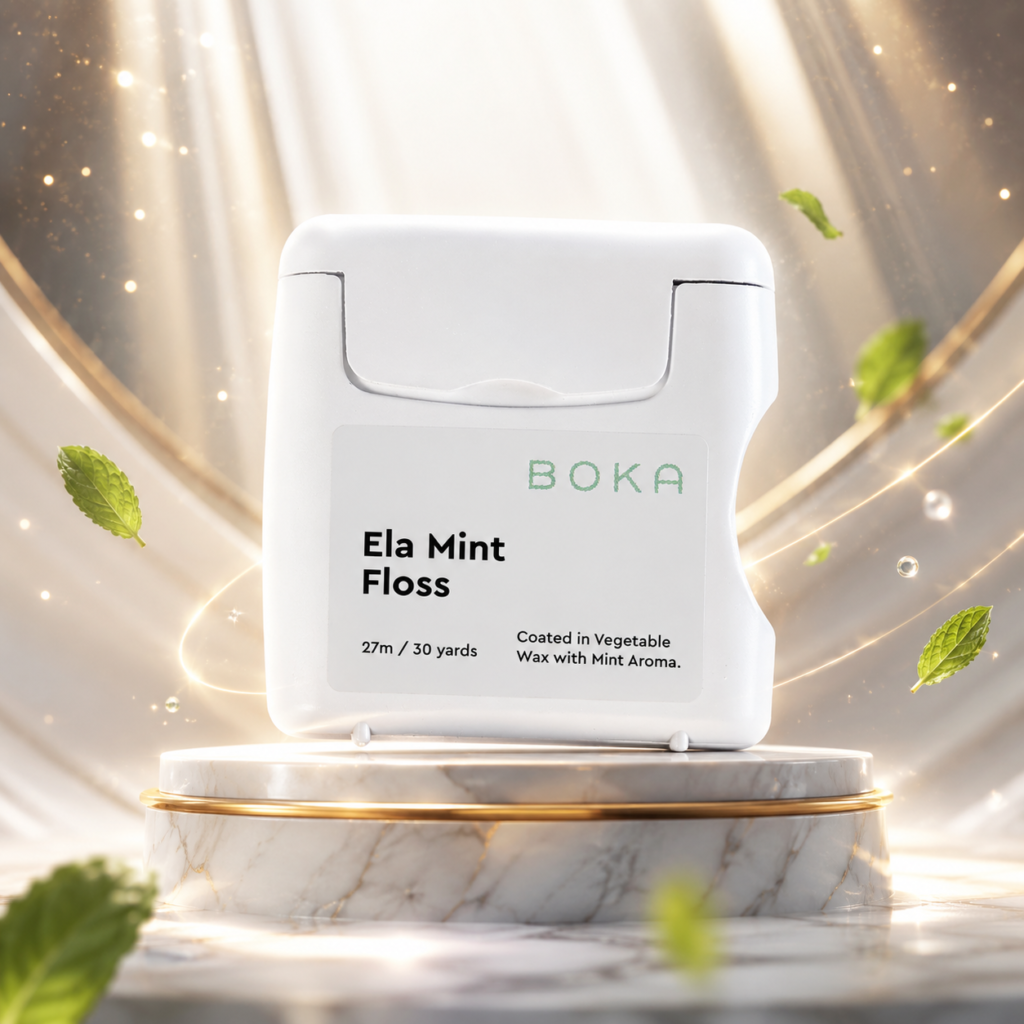
HydroPaste ranks Boka Floss among the best dental floss options of 2026 because it delivers on the four qualities that matter most: cleaning performance, ingredient quality, gum comfort, and routine compatibility.
It is safer-feeling for ingredient-conscious users because it avoids PFAS, PTFE, and petroleum-based positioning. It is better aligned with sustainability goals because it moves away from the disposable plastic logic of traditional floss. It is more comfortable than many sharp, plastic-like flosses because of its soft woven texture. And most importantly, it is designed to remove plaque more effectively through expanding fiber technology.
If you are already investing in Boka toothpaste to support enamel health, it makes little sense to undercut that routine with a conventional floss that feels harsh, chemically coated, or ineffective. Boka Floss completes the system. It cleans the hidden spaces, supports healthier gums, improves plaque control, and helps your remineralizing toothpaste routine work from a cleaner foundation.
For users who want a PFAS-free dental floss, a better floss for plaque removal, a floss for sensitive gums, or a cleaner daily floss to pair with nano-hydroxyapatite toothpaste, Boka Floss is one of the strongest choices of 2026.
Frequently Asked Questions About Boka Dental Floss
What makes Boka dental floss expanding?
Boka dental floss is called expanding floss because it uses a woven microfiber structure that changes slightly when exposed to moisture. Once the floss contacts saliva between the teeth, the fibers begin to fluff and expand, creating a fuller cleaning surface inside the interdental space.
This matters because plaque does not sit only in a straight line between teeth. It collects along curved enamel surfaces, tight contact points, and gumline edges. A flat ribbon floss may slide through the space without making enough contact. Boka’s expanding dental floss is designed to fill more of that space, allowing the fibers to grip soft plaque and food debris more effectively.
For people looking for a better dental floss for plaque removal, this expanding texture is one of Boka’s biggest advantages. It starts slim enough to enter tight spaces, then becomes more substantial once it is positioned between the teeth.
Is Boka dental floss PFAS-free?
Yes. Boka dental floss is marketed as PFAS-free and PTFE-free, which makes it a strong option for people looking for cleaner dental floss without Teflon-style coatings.
PFAS are often called “forever chemicals” because they can persist in the environment and may accumulate over time. In dental floss, PFAS-related concerns usually center around slick glide coatings used in some conventional floss products. These coatings can help floss slide between tight teeth, but ingredient-conscious users increasingly prefer floss that avoids PFAS and PTFE.
Boka floss appeals to that audience because it offers smooth glide without relying on those controversial materials. For anyone searching for PFAS-free floss, PTFE-free dental floss, or non-toxic floss for daily oral care, Boka is one of the more relevant options in the clean oral care category.
What kind of wax does Boka floss use?
Boka uses a clean, plant-based vegetable wax coating. This helps the floss glide between teeth without relying on petroleum-based paraffin wax, synthetic-heavy coatings, or animal-derived beeswax.
The vegetable wax coating is important because floss needs some lubrication to pass through tight contacts comfortably. Without a smooth coating, floss can drag, shred, or feel harsh against the gums. But too much wax can leave a sticky residue or make the floss feel artificial.
Boka’s vegetable wax gives the floss enough slip while still supporting a cleaner ingredient profile. It also makes the product appealing to users looking for vegan dental floss, cruelty-free floss, and petroleum-free floss that still performs well in daily plaque removal.
Will Boka floss shred if I have tight teeth?
Boka floss is designed to work for tight teeth because it begins relatively slim before expanding with moisture. This allows the floss to pass through narrow contact points more easily, then develop more texture once it is between the teeth.
People with crowded teeth often struggle with dental floss that catches, frays, or snaps. Thin plastic floss may slide through, but it can feel sharp and ineffective. Thicker natural floss may clean well, but it can get stuck. Boka aims to solve that problem by combining entry glide with expanding microfiber cleaning.
That said, technique still matters. If any floss is forced or snapped aggressively between tight teeth, it may fray or irritate the gums. For best results, guide Boka floss gently through the contact point, curve it into a C-shape around each tooth, and move it slowly up and down along the enamel surface.
Is Boka floss safe for sensitive gums?
Boka floss is a good option for sensitive gums because its woven microfiber texture is softer than many thin, plastic-like flosses. Instead of feeling like a sharp string cutting into the gumline, Boka’s expanding fibers create a broader, more cushioned surface.
This can make flossing more comfortable for people with gum sensitivity, early gum inflammation, crowded teeth, or a history of avoiding floss because it feels painful. A comfortable floss is important because the best dental floss is the one you can use consistently.
However, gentle technique is still essential. Sensitive gums can bleed if floss is snapped downward or used too aggressively. Boka floss should be guided carefully beneath the gumline, not forced. If bleeding, swelling, or pain continues after consistent gentle flossing, a dental professional should evaluate the gums.
What are the flavor options for Boka floss?
Boka dental floss is commonly associated with refreshing, naturally inspired flavor options such as Ela Mint and Coconut Ginger. These flavors are designed to make flossing feel more pleasant without turning the routine into an overly sweet or artificial experience.
Flavor matters more than many people think. A dental floss that tastes clean and refreshing can make daily flossing feel easier to repeat. If floss tastes like plastic, heavy wax, or harsh chemicals, people are more likely to skip it.
Boka’s flavor profile also fits the brand’s broader oral care identity. It pairs well with Boka toothpaste and appeals to users who want a cleaner, more elevated flossing experience.
Is Boka floss biodegradable?
Boka floss is more eco-conscious than many plastic-heavy conventional floss options, but shoppers should be careful with the word biodegradable. Not every cleaner floss is fully biodegradable, and biodegradability depends on the total material composition, coating, and disposal conditions.
Boka’s sustainability appeal comes from its PFAS-free, PTFE-free, petroleum-free positioning, vegetable wax coating, and recyclable packaging. These features make it a better fit for people seeking sustainable dental floss or eco-conscious oral care products.
The most accurate way to describe Boka floss is as a cleaner, more environmentally thoughtful alternative to traditional plastic floss. It reduces reliance on controversial coatings and petroleum-based ingredients, while still delivering strong daily flossing performance.
Does Boka floss contain artificial sweeteners?
Boka floss is commonly positioned as using xylitol for a light sweetness rather than relying on conventional artificial sweeteners. Xylitol is a sugar alcohol widely used in oral care products because it gives a pleasant taste while fitting better with dental hygiene goals than ordinary sugar.
The benefit of xylitol in dental floss is mainly user experience. It can make flossing taste fresher and cleaner, encouraging consistency. It may also support a more mouth-friendly environment compared with sugar-based sweetness.
However, xylitol in floss should not be treated as a replacement for brushing, flossing technique, or professional dental care. Its main role in Boka floss is to improve the daily flossing experience while keeping the formula aligned with clean oral care preferences.
How many yards are in one container of Boka floss?
A standard Boka dental floss container typically includes about 30 yards, or approximately 27.4 meters, of expanding floss. This gives most users enough floss for several weeks of daily use, depending on how much they use per session.
For proper flossing, it is best to use around 18 inches of floss at a time. That may seem like a lot, but it allows you to wrap the floss securely around your fingers and use a fresh section as you move from tooth to tooth.
Using too little floss can make the routine less hygienic because the same plaque-covered section may be dragged between multiple teeth. A 30-yard container gives enough material to floss properly without being overly conservative.
Why should I floss before brushing with Boka toothpaste?
Flossing before brushing is useful because it removes plaque and food debris from between the teeth before toothpaste is applied. This can help toothpaste reach more of the interdental enamel surface instead of sitting on top of a plaque barrier.
This is especially relevant if you use Boka toothpaste with nano-hydroxyapatite. Nano-hydroxyapatite is designed to support enamel-focused daily care, but it needs access to the tooth surface. If the hidden spaces between your teeth are coated in plaque, toothpaste cannot contact those areas as effectively.
A strong Boka routine starts with flossing, continues with gentle brushing, and ends by spitting instead of rinsing heavily. This allows the toothpaste residue to remain on the teeth longer, supporting a more complete enamel-care routine.
What dental floss is best?
The best dental floss is the one that removes plaque effectively, feels comfortable enough for daily use, and fits your oral care priorities. There is no single best floss for every mouth because teeth spacing, gum sensitivity, dental work, and personal ingredient preferences all matter.
For tight teeth, a smooth but durable floss is usually best. For wider gaps, expanding floss or woven floss may clean more effectively. For sensitive gums, soft dental floss is often better than thin plastic floss. For ingredient-conscious users, PFAS-free floss, PTFE-free floss, petroleum-free floss, and vegetable-wax floss are better choices than heavily coated synthetic options.
Boka floss is one of the best dental floss options for users who want a balance of clean materials, expanding fiber technology, gum comfort, and strong plaque removal. It is especially suitable for people who want a modern floss to pair with Boka toothpaste or another enamel-support routine.
What is the best brand of dental floss?
The best brand of dental floss depends on what you value most. Some brands focus on affordability, some focus on tight-teeth glide, some focus on natural materials, and others focus on sustainability or gum comfort.
Boka is one of the best dental floss brands for people who want clean oral care, PFAS-free materials, expanding microfiber texture, vegan wax, and a more premium flossing experience. It stands out because it does not rely only on being “natural.” It also offers a performance advantage through its expanding fiber design.
For users who want a cleaner alternative to conventional glide floss, Boka is a strong brand to consider. It works especially well for people building a complete oral care routine around plaque control, gum health, nano-hydroxyapatite toothpaste, and ingredient-conscious daily hygiene.
Is Boka the best floss for daily use?
Boka is a strong contender for the best floss for daily use, particularly for people who prefer expanding microfiber floss, plant-based wax, and PFAS-free dental care products. Its woven fibers are designed to become fuller when exposed to moisture, creating a textured cleaning surface that helps remove plaque and food particles between teeth.
What makes Boka appealing among premium dental floss options is its combination of comfort, material preferences, and expanding fiber technology. However, the best dental floss for everyday use depends on your tooth spacing, gum sensitivity, and personal preferences. People with extremely tight contacts may find a thinner waxed floss easier to use.
What is the best floss for removing plaque between teeth?
The best floss for plaque removal is one that can effectively contact the curved surfaces of adjacent teeth without irritating the gums. Expanding floss, woven floss, and traditional waxed dental floss can all remove plaque when used correctly.
Boka expanding dental floss is designed to create a fuller cleaning surface between teeth. This makes it a worthwhile option for people seeking the best floss for removing plaque from difficult-to-reach interdental spaces.
However, expanding fibers do not automatically guarantee better plaque removal than conventional dental floss. Proper C-shaped flossing technique and consistent daily use remain essential for preventing plaque buildup.
What is the best floss for bleeding gums?
The best floss for bleeding gums should move comfortably between teeth while allowing gentle, controlled cleaning around the gumline. Soft woven floss and other comfortable interdental cleaning products may be easier to use for people who experience irritation from thin or rough dental floss.
Boka is worth considering because its expanding microfiber structure provides a softer-feeling cleaning surface than some conventional floss products.
However, bleeding gums can indicate gingivitis, plaque buildup, or improper flossing technique. Switching to a softer floss may improve comfort, but persistent bleeding should be evaluated by a dentist.
What is the best floss for beginners?
The best floss for beginners should be easy to grip, comfortable to maneuver, and durable enough to pass between teeth without frequent shredding. A pleasant texture and smooth glide can make it easier to develop a consistent flossing habit.
Boka expanding floss may appeal to beginners who dislike the sharp sensation of very thin dental floss. Its textured fibers and plant-based wax coating are designed to make interdental cleaning more comfortable.
For beginners choosing the best dental floss, ease of handling matters more than advanced features. Start by using approximately 18 inches of floss, gently slide it between teeth, curve it around each tooth, and clean the surfaces with controlled up-and-down movements.
What is the best floss for bad breath?
The best floss for bad breath is one that effectively removes trapped food particles and plaque from between teeth, where odor-producing bacteria can accumulate. Daily interdental cleaning helps address sources of unpleasant breath that brushing alone may not reach.
Boka expanding dental floss offers a textured fiber design and refreshing flavor options, making it an appealing choice for people who want a more pleasant flossing experience.
However, even the best floss for bad breath cannot address every cause of persistent mouth odor. Tongue coating, gum disease, dry mouth, and other dental or medical conditions may also contribute to halitosis.
What is the best floss for adults with crowded teeth?
The best floss for crowded teeth must pass through narrow or uneven contact points without repeatedly snapping, fraying, or becoming stuck. Smooth waxed dental floss often works well for extremely tight contacts, while certain expanding floss products may be suitable for people who want additional cleaning texture.
Boka may be an option for adults with mildly crowded teeth because its fibers are designed to expand after moisture exposure. However, severely crowded teeth may require a thinner floss that passes through tight contacts more easily.
The best dental floss for crowded teeth is ultimately the product that allows complete, comfortable cleaning around each tooth without excessive force.
Is expensive dental floss better than cheap floss?
The best floss is not necessarily the most expensive dental floss. Premium products may offer specialized fibers, different wax coatings, distinctive flavors, or material characteristics that appeal to certain consumers, but price alone does not establish superior cleaning performance.
Boka belongs to the premium dental floss category because of its expanding microfiber design and ingredient-conscious positioning. These features may justify the additional expense for shoppers who value them.
However, affordable waxed dental floss can also remove plaque effectively when used correctly. When comparing the best floss brands, prioritize cleaning performance, comfort, durability, and consistency over packaging or price.
What is the best floss to use with an electric toothbrush?
The best floss to use with an electric toothbrush is one that effectively cleans the interdental surfaces the toothbrush cannot fully reach. Electric toothbrushes can provide excellent cleaning along exposed tooth surfaces, but they do not eliminate the need for appropriate interdental cleaning.
Boka expanding dental floss can complement an electric toothbrush by helping remove plaque and debris between teeth before or after brushing.
For a complete oral hygiene routine, combine thorough brushing twice daily with suitable daily interdental cleaning. Whether you use a sonic toothbrush, oscillating-rotating toothbrush, or manual toothbrush, the best floss is one that fits comfortably between your teeth and encourages consistent use.
What is the best floss for maintaining healthy gums?
The best floss for gum health should remove plaque near the gumline without causing unnecessary tissue irritation. Since plaque accumulation contributes to gingivitis and periodontal problems, regular interdental cleaning is an important part of maintaining healthy gums.
Boka’s expanding microfiber design may be attractive to people who prefer a softer-feeling floss for daily gumline cleaning. Its textured structure is intended to help clean the curved surfaces between adjacent teeth.
Nevertheless, the best floss for healthy gums is not determined by softness alone. Effective technique, appropriate floss thickness, regular dental examinations, and consistent oral hygiene habits are equally important.
How do I choose the best floss for my teeth?
Choosing the best floss for your teeth starts with understanding your tooth spacing, gum condition, dental restorations, and material preferences.
For narrow contacts, thin waxed floss may provide easier access. For wider interdental spaces, expanding floss or appropriately sized interdental brushes may be useful. People with sensitive gums may prefer softer-feeling floss, while those with braces or bridges may require specialized interdental cleaning tools.
Boka is worth considering if you want expanding fibers, a plant-based wax coating, and a product marketed as PFAS-free. Ultimately, the best dental floss is the one that provides comfortable, effective cleaning and becomes a consistent part of your daily oral care routine.
People Also Ask
What is the best floss for people with tight teeth?
The best floss for tight teeth should be slim enough to pass through narrow contact points without snapping, but strong enough not to shred during use. Many people with tight teeth choose smooth waxed floss, glide-style floss, or expanding floss that starts thin and becomes fuller once inside the interdental space.
Boka floss is a strong option because it begins slim enough to enter tight spaces, then expands slightly with saliva to improve cleaning contact. This gives it an advantage over very thin floss that slides in easily but does not remove much plaque.
For tight teeth, technique is just as important as the floss. Never force the floss downward. Use gentle pressure, guide it through the contact point, then curve it into a C-shape around each tooth. This helps clean the sides of the teeth without cutting into the gums.
Is Teflon in dental floss harmful to your health?
Teflon-style concerns in dental floss usually relate to PTFE and PFAS-type coatings used to make some floss products glide more easily. The health risk from floss alone is still debated, and exposure can vary by product, frequency of use, and material composition. However, many ingredient-conscious users prefer to avoid PTFE and PFAS in daily oral care because these chemicals are associated with broader environmental and health concerns.
The practical takeaway is simple: if you are concerned about PFAS or PTFE in dental floss, choose a floss that clearly states it is PFAS-free and PTFE-free. Boka floss fits this preference because it is marketed as free from both.
You do not need to panic over every past flossing choice. But if you are upgrading your oral care routine in 2026, choosing cleaner dental floss is a reasonable and low-effort improvement.
How do I know if my dental floss is PFAS-free?
The easiest way to know whether your dental floss is PFAS-free is to check the product label, brand website, and ingredient or materials description. Look for phrases such as “PFAS-free,” “PTFE-free,” “fluoride-free coating,” “no Teflon,” or “free from forever chemicals.”
Be cautious with vague language. A floss may say “smooth glide” or “shred resistant” without clearly explaining what creates that glide. That does not automatically mean it contains PFAS, but it does mean the product is less transparent.
For clean oral care shoppers, the best approach is to choose brands that openly disclose their floss material standards. Boka floss is attractive in this category because it specifically emphasizes PFAS-free and PTFE-free positioning, making it easier for consumers to understand what they are buying.
Does expanding dental floss remove more plaque?
Expanding dental floss can remove more plaque for some users because it creates more surface contact inside the space between teeth. Instead of remaining a flat ribbon, expanding floss becomes fuller when exposed to moisture, allowing it to press more gently against the curved sides of the teeth.
This can be especially useful in wider gaps, uneven spaces, and gumline areas where plaque collects. The expanded fibers can help grip and sweep away plaque rather than simply sliding past it.
However, expanding floss still depends on proper technique. To remove plaque effectively, the floss must be curved around each tooth and moved up and down along the surface. If it is only snapped between teeth once, even the best expanding dental floss will not perform to its full potential.
What are the symptoms of “Teflon flu” from dental floss?
“Teflon flu” is a common informal name for polymer fume fever, which is typically linked to inhaling fumes from overheated PTFE materials, such as when non-stick cookware is heated to very high temperatures. It is not a typical or expected condition from using dental floss.
Dental floss is not heated during normal use, so the “Teflon flu from dental floss” phrase is misleading. The more relevant concern with floss is not inhaled fumes, but possible exposure to PFAS or PTFE-related materials through repeated contact with the mouth, depending on the product.
Symptoms of polymer fume fever can resemble flu-like illness, but that condition is not how dental floss concerns should be framed. For floss, the smarter question is whether the product is PFAS-free, PTFE-free, and transparent about its materials.
Is vegetable wax better than beeswax for dental floss?
Vegetable wax can be better than beeswax for people who want vegan dental floss, cruelty-free oral care, or a plant-based alternative to animal-derived coatings. It can provide smooth glide while keeping the product aligned with modern clean oral care preferences.
Beeswax is not necessarily harmful, and some natural floss brands use it successfully. But it is not vegan, and it may not suit users who avoid animal-derived ingredients. Vegetable wax offers a broader appeal because it works for vegan users while still helping the floss slide through tight contacts.
Boka uses a plant-based vegetable wax coating, which helps it fit into a cleaner, vegan-friendly floss category without sacrificing daily usability.
Can flossing with the wrong string damage your gums?
Yes, flossing with the wrong type of floss or using poor technique can irritate the gums. Very thin, sharp, plastic-like floss can feel harsh if it is snapped into the gumline. Rough floss can drag against sensitive tissue. Floss that shreds can leave fibers behind or make the experience frustrating.
The biggest problem is usually technique. Floss should never be forced straight down into the gums. It should be guided gently between teeth, curved around each tooth in a C-shape, and moved up and down along the tooth surface.
A softer expanding floss like Boka can help reduce the harsh feeling some users experience, but it still needs to be used properly. If your gums bleed heavily, swell, or remain painful, the issue may be gum inflammation, aggressive flossing, or an underlying dental problem that needs professional attention.
What is the most eco-friendly dental floss?
The most eco-friendly dental floss is usually made with lower-impact materials, minimal plastic, responsible packaging, and transparent ingredient standards. Some users look for silk floss, bamboo charcoal floss, plant-based floss, refillable floss containers, or floss packaged in recyclable materials.
However, eco-friendly floss also needs to work. If a floss breaks easily or feels too rough to use, people will abandon the habit. A sustainable floss should balance environmental responsibility with real plaque removal and gum comfort.
Boka floss is a strong eco-conscious option because it avoids PFAS, PTFE, and petroleum-based positioning while using vegetable wax and recyclable packaging. It may not be the only sustainable floss on the market, but it is a practical choice for people who want cleaner materials without giving up performance.
How often should you replace your floss container?
You should replace your floss container whenever the floss runs out, becomes contaminated, or no longer dispenses properly. For most people using floss daily, a standard 30-yard container may last several weeks, depending on how much floss they use each time.
It is best to store dental floss in a clean, dry place away from moisture and bathroom contamination. Keep the lid closed when not in use, and avoid touching the unused floss with wet or dirty hands.
If you are using Boka dental floss, use a fresh section for each tooth area instead of trying to stretch one short piece across the whole mouth. This improves hygiene and makes plaque removal more effective.
Does xylitol in floss actually prevent cavities?
Xylitol is widely used in oral care because it can support a healthier mouth environment compared with sugar-based sweeteners. In products like gum, mints, toothpaste, and floss, xylitol may help reduce the appeal of the product to cavity-associated bacteria while improving taste.
In dental floss, xylitol should be viewed as a supporting ingredient, not a standalone cavity-prevention solution. The main cavity-prevention benefit of flossing comes from physically removing plaque and food debris between the teeth. Xylitol adds a cleaner sweetness and may support a more mouth-friendly formula, but it does not replace brushing, flossing technique, fluoride or hydroxyapatite toothpaste, or dental checkups.
Boka’s use of xylitol makes the floss taste fresher while keeping it aligned with clean oral care expectations. The real benefit still comes from daily plaque disruption between the teeth.
Editorial Advice
Boka floss stands out because it solves several problems at once: it offers a cleaner material profile, a more effective fiber-based cleaning design, better gum comfort, and a more intentional fit within a complete oral care routine. The hidden danger of ordinary floss is not that all floss is bad. The real issue is that many shoppers judge floss only by how smoothly it glides. Glide matters, but it should never be the only standard.
In a modern oral care routine, dental floss should be evaluated by four things: how well it removes plaque, how comfortable it feels along the gumline, whether its materials are clean enough for daily use, and how well it supports the rest of your oral hygiene system. Boka floss performs well because it is designed for the exact spaces brushing cannot reach — the tight interdental contacts, gumline edges, and hidden surfaces where plaque and food debris often remain after brushing.
Its expanding microfiber technology gives it a real performance advantage over many traditional flat flosses. Instead of simply sliding between teeth, the fibers expand with moisture and create more surface contact inside the interdental space. This helps the floss grip and sweep away soft plaque more effectively. The woven texture also feels gentler against sensitive gums, making it easier for users to stay consistent without the sharp “cheese cutter” feeling associated with some thin plastic flosses.
Boka’s cleaner material profile strengthens the case further. Its PFAS-free, PTFE-free, petroleum-free positioning makes it a better fit for ingredient-conscious users who do not want questionable coatings in a product that touches gum tissue every day. The vegetable wax coating supports smooth glide without relying on heavy synthetic or petroleum-based materials, while its vegan and cruelty-free design fits a cleaner oral care lifestyle.
Technique still matters. To get maximum plaque removal from Boka dental floss, do not simply snap it between the teeth and pull it out. Use the C-shape method: guide the floss gently between the teeth, curve it around the side of each tooth, move it up and down slowly, and clean slightly beneath the gumline without forcing it into the tissue. Boka floss gives you the tool, but proper technique gives you the result.
For the strongest routine, floss before brushing. This helps remove the plaque barrier from between teeth and may allow your toothpaste to reach more enamel surface. When paired with Boka nano-hydroxyapatite toothpaste and the “spit, don’t rinse” method, Boka floss becomes more than a basic cleaning accessory. It becomes the first step in a smarter oral care system built around plaque control, gum comfort, enamel support, and fresher breath.
Boka floss also fits a more sustainable oral care mindset. Traditional floss may seem like a tiny product, but millions of daily-use plastic strands can create meaningful waste over time. By choosing a floss with cleaner materials, petroleum-free positioning, and more environmentally thoughtful packaging, users can make a small daily upgrade that better aligns with both personal health goals and lower-waste product values.
The editorial verdict is simple: Boka floss is a practical upgrade for people who want cleaner teeth, healthier gums, fresher breath, better plaque control, and a more ingredient-conscious oral care routine. It is not just a safer-feeling alternative to conventional coated floss. It is a better-designed interdental cleaning tool for the hidden spaces brushing leaves behind.