Philips Sonicare 4100 Review (2026): Is It the Best?
Amazon Affiliate Disclosure
Hydropaste.com participates in affiliate programs, including the Amazon Services LLC Associates Program. This means we may earn a small commission when you buy through qualifying links on this page, at no extra cost to you. Our editorial recommendations are written to help readers understand oral care science, ingredient quality, daily routine design, and product suitability before making a purchase.
Updated July, 2026.
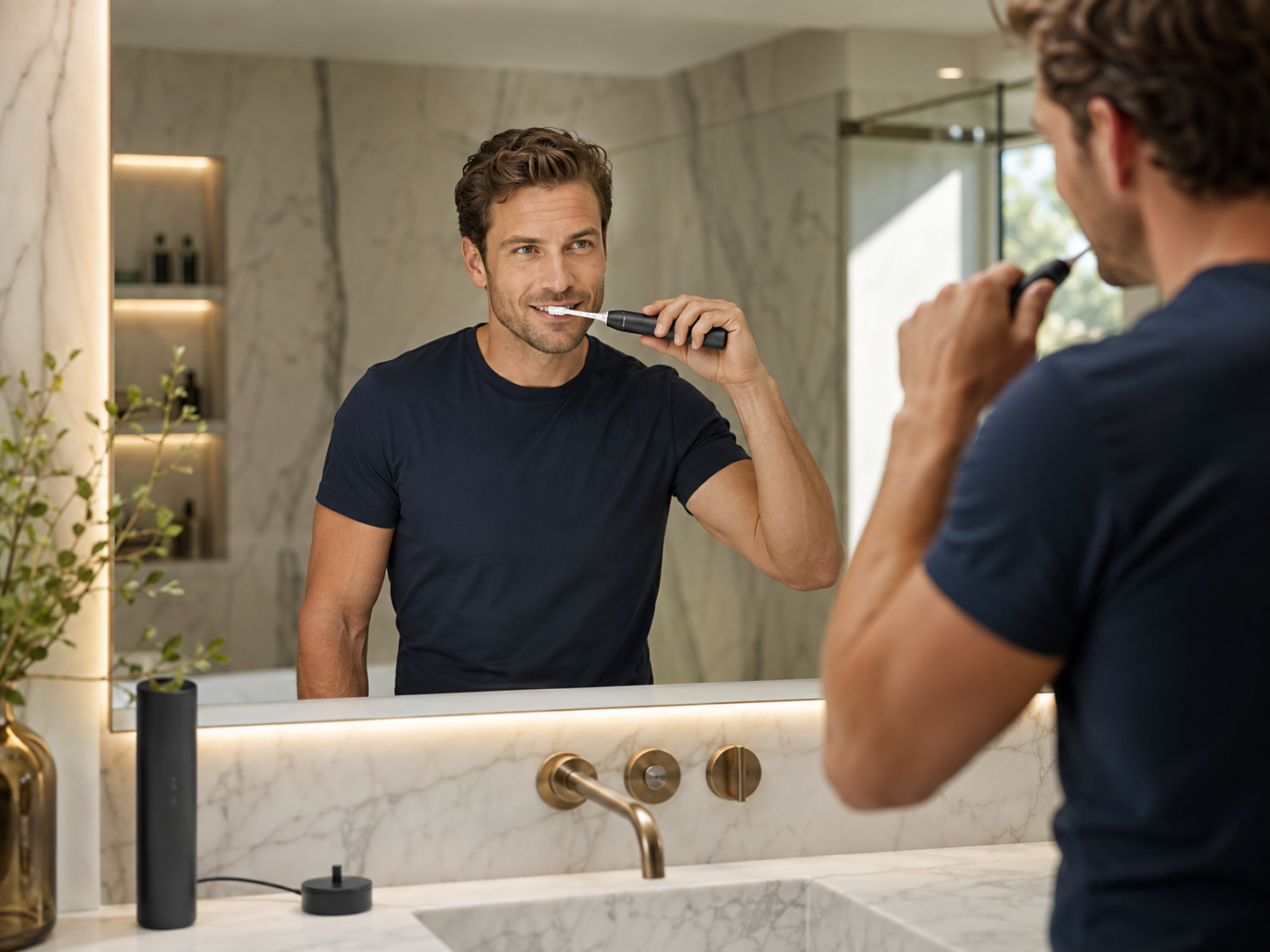
The Philips Sonicare 4100 has earned a reputation as one of the most practical electric toothbrushes for people who want effective sonic cleaning without paying for app connectivity, multiple screens or rarely used premium features. Positioned between basic rechargeable toothbrushes and expensive smart models, the Sonicare 4100 focuses on the functions that matter most during everyday brushing: consistent cleaning motion, pressure control, timed guidance and a compact brush head that can reach along the gumline.
In this Philips Sonicare 4100 review for 2026, we examine whether the HX3681/24 and HX3681/23 models still deserve to be considered among the best electric toothbrush options for daily oral care. Although these model numbers are commonly associated with different color variations, their essential brushing technology and user experience are closely aligned. Both are designed around Philips’ sonic cleaning system, which produces rapid bristle movements intended to disturb plaque across tooth surfaces and around areas where the teeth meet the gums.
The central appeal of the Philips Sonicare 4100 is not technological excess. It is controlled simplicity. The toothbrush combines a built-in pressure sensor, a two-minute Smartimer and QuadPacer interval guidance with a streamlined operating system that is easy to understand from the first use. This makes it especially relevant for people switching from a manual toothbrush, users who tend to brush too aggressively and buyers seeking a dependable electric toothbrush for sensitive gums.
Pressure management is particularly important because more force does not necessarily produce a better clean. Excessive scrubbing can irritate delicate gum tissue, accelerate bristle wear and make an otherwise effective brushing routine unnecessarily uncomfortable. The Sonicare 4100 attempts to solve this behavioral problem by alerting the user when too much pressure is being applied, encouraging a gentler technique in which the powered brush performs most of the movement.
For readers still comparing brush technologies, cleaning motions and different price levels, our electric toothbrush hub provides broader guidance on sonic toothbrushes, oscillating-rotating models, pressure sensors, brush-head selection and electric toothbrush features. The Philips Sonicare 4100 occupies an important position within that market because it promises many of the core benefits associated with premium sonic toothbrushes while remaining relatively accessible and uncomplicated.
This relationship between toothbrush design and gum comfort is also why electric toothbrush selection should be considered within a wider soft-tissue integration strategy. Healthy oral care is not limited to polishing visible enamel. It must also account for the gingival margin, interdental tissue, brushing pressure and the long-term interaction between a cleaning device and the softer structures surrounding the teeth.
This comprehensive review evaluates the Philips Sonicare 4100’s cleaning performance, pressure sensor, battery life, brush-head compatibility, gumline comfort, ease of use and long-term ownership cost. We also compare its strengths and limitations with competing electric toothbrushes to determine who should buy it, who may need a more advanced model and whether the Sonicare 4100 can genuinely be called the best-value electric toothbrush of 2026.
The Philips Sonicare 4100 Series Electric Toothbrush: 2026’s Gold Standard for Oral Health
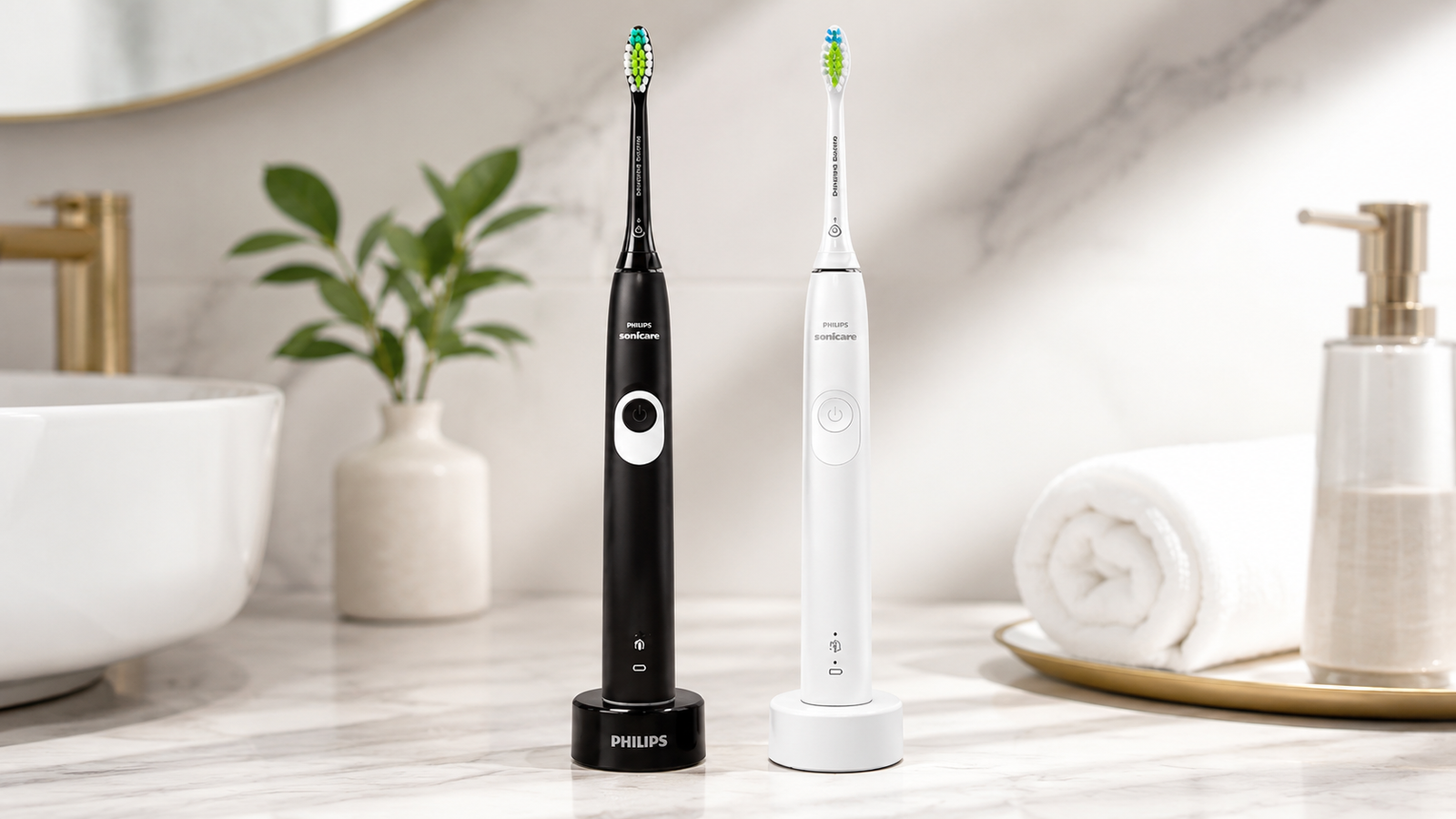
When searching for the best electric toothbrush, many consumers are overwhelmed by “smart” features that they never actually use. In 2026, the Philips Sonicare 4100 Series (specifically the HX3681/24 in Black and HX3681/23 in White) has emerged as the industry’s most recommended model because it masters the fundamentals of oral hygiene without the unnecessary bloat of Bluetooth apps or AI tracking.

1. The Core Technology: Why Sonic Wins
The heart of the Philips Sonicare electric toothbrush is its advanced sonic technology. While a traditional electric toothbrush relies solely on the physical contact of bristles against the tooth, the 4100 utilizes high-frequency vibrations—up to 31,000 brush strokes per minute.
This speed creates a secondary cleaning effect known as “fluid dynamics.” As the bristles move, they agitate the saliva and toothpaste in your mouth, creating microbubbles that are driven deep into the interdental spaces (between teeth) and below the gumline. This is why the 4100 is consistently rated as the best electric toothbrush for individuals who struggle with stubborn plaque in hard-to-reach areas.
Plaque Removal Statistics
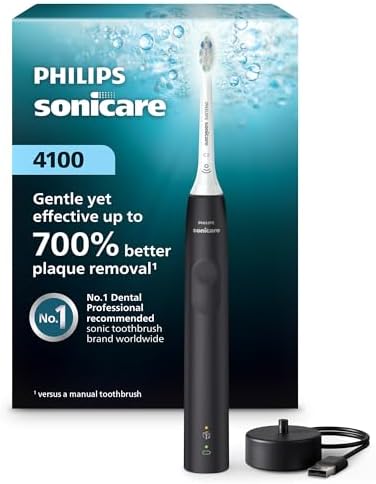
Clinical studies in 2026 continue to show that the Sonicare 4100 removes up to 7x more plaque than a manual toothbrush. For the average user, this translates to fewer cavities and significantly better reports during semi-annual dental checkups. The “2-month manual brushing in 2 minutes” claim is not just marketing—it’s a reflection of the sheer mechanical advantage sonic power provides.
2. Advanced Safety Features: Protecting Your Gums
The most common mistake people make when switching to an electric toothbrush is applying too much pressure. Aggressive brushing can lead to gum recession and enamel wear. The Philips Sonicare 4100 addresses this with its built-in pressure sensor.
How the Pressure Sensor Works
Unlike the expensive visual light rings found on the DiamondClean or Oral-B iO series, the 4100 uses a haptic feedback system. If you press too hard, the handle produces a distinctive pulsing sound and vibration. This intuitive alert trains your hand to let the brush do the work. Over time, users develop a lighter touch, which is essential for maintaining long-term gingival health. This feature alone makes it the best electric toothbrush for those with sensitive gums or early signs of gingivitis.
3. Intelligent Design & Ergonomics
The HX3681/24 and HX3681/23 models feature a “Slim Ergonomic Design.” In 2026, where “minimalism” is a major consumer trend, the Philips Sonicare Electric Toothbrush stands out. The handle is thin enough to be held like a pen—which dentists recommend for maximum control—yet sturdy enough to feel like a premium medical device.
The Two-Intensity Settings
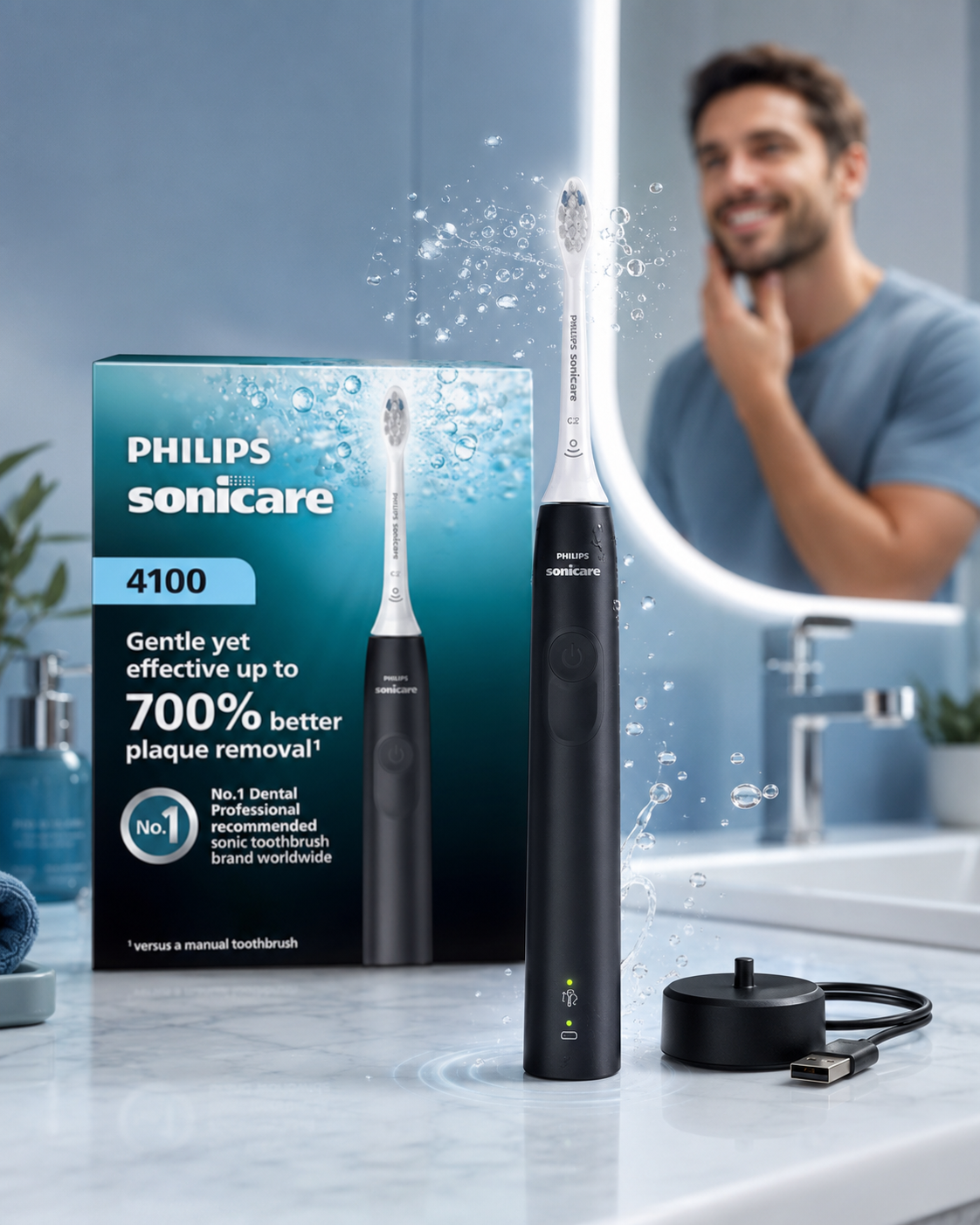
A key upgrade for the 2026 version of the 4100 is the inclusion of two intensity settings.
- Low Intensity: Perfect for new users or those with particularly sensitive teeth.
- High Intensity: For a powerful, deep-clean feel.The ability to toggle between these settings allows the 4100 to cater to a wider variety of users than previous entry-level models.
4. Smart Features: BrushSync & Timers
Even without a smartphone app, the 4100 is a highly “intelligent” device. It utilizes two main time-management tools:
- SmarTimer: This ensures you brush for the full two minutes recommended by the American Dental Association (ADA). The brush automatically shuts off once the two minutes are up.
- QuadPacer: Every 30 seconds, the brush stutter-pulses. This is your cue to move to the next quadrant of your mouth (top-left, top-right, bottom-left, bottom-right).
BrushSync Replacement Reminder
One of the biggest reasons for poor oral hygiene is using a worn-out brush head. Bristles lose their effectiveness and begin to harbor bacteria over time. The BrushSync technology in the 4100 tracks exactly how long you have been brushing and how much pressure you apply. When the bristles are no longer effective, a light on the handle illuminates. This takes the guesswork out of maintenance and ensures you are always getting the best electric toothbrush performance possible.
5. Battery Life and the 2026 USB Transition
Battery anxiety is a thing of the past with the 4100 Series. A full charge provides 14 days of use (based on two brushings per day). However, many users report getting up to 20 days on a single charge when using the low-intensity setting.
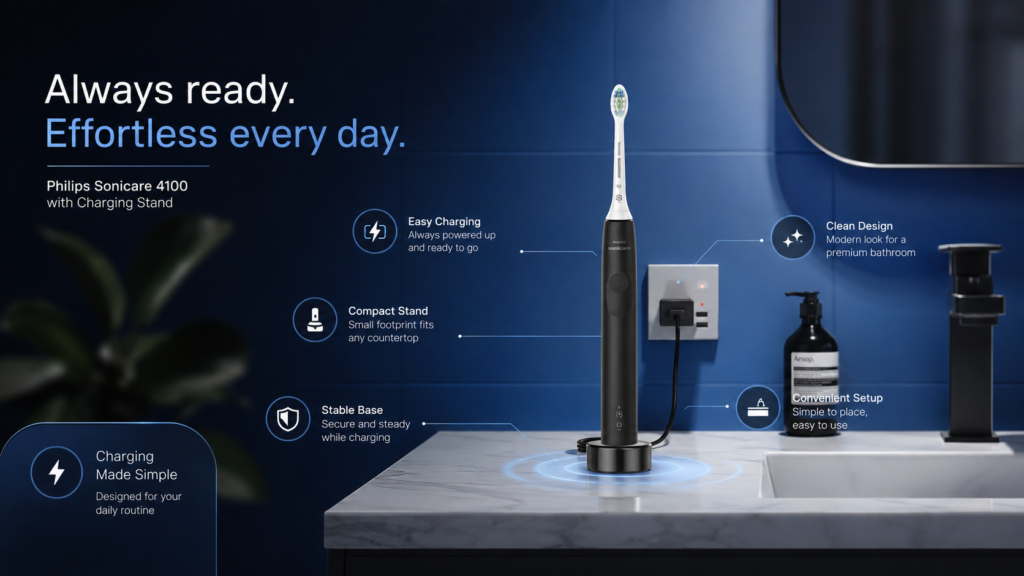
The Eco-Friendly Philips Sonicare Toothbrush Charger
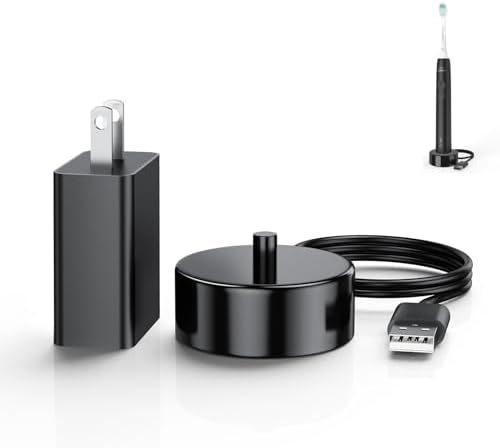
- [Precision Compatibility] USB Charging Stand Compatible With Philips Sonicare 5900 5500 5300 4100 3100 2100 1100 Black S…
- [Waterprroof Build] Fully sealed waterproof design, made of insulated ABS material, IP67 waterproof and dustproof, wheth…
- [USB One-Place Charging] Combining efficient charging and thoughtful storage, the wireless charging area in the center d…
In line with global sustainability efforts in 2026, Philips has removed the traditional wall-plug adapter. The Philips Sonicare Toothbrush Charger now comes with a USB charging stand. This allows you to charge your brush via a laptop, a multi-port wall charger, or even a power bank while traveling. By eliminating the plastic wall brick, Philips has significantly reduced its environmental footprint, a move that resonates with the modern, eco-conscious consumer.
6. Maintenance and Long-Term Value
When evaluating the best electric toothbrush, you must look at the “Total Cost of Ownership.” The 4100 usually retails around $49.99–$59.99, which is a fraction of the cost of $300 “Smart” brushes.
Philips sonicare toothbrush heads
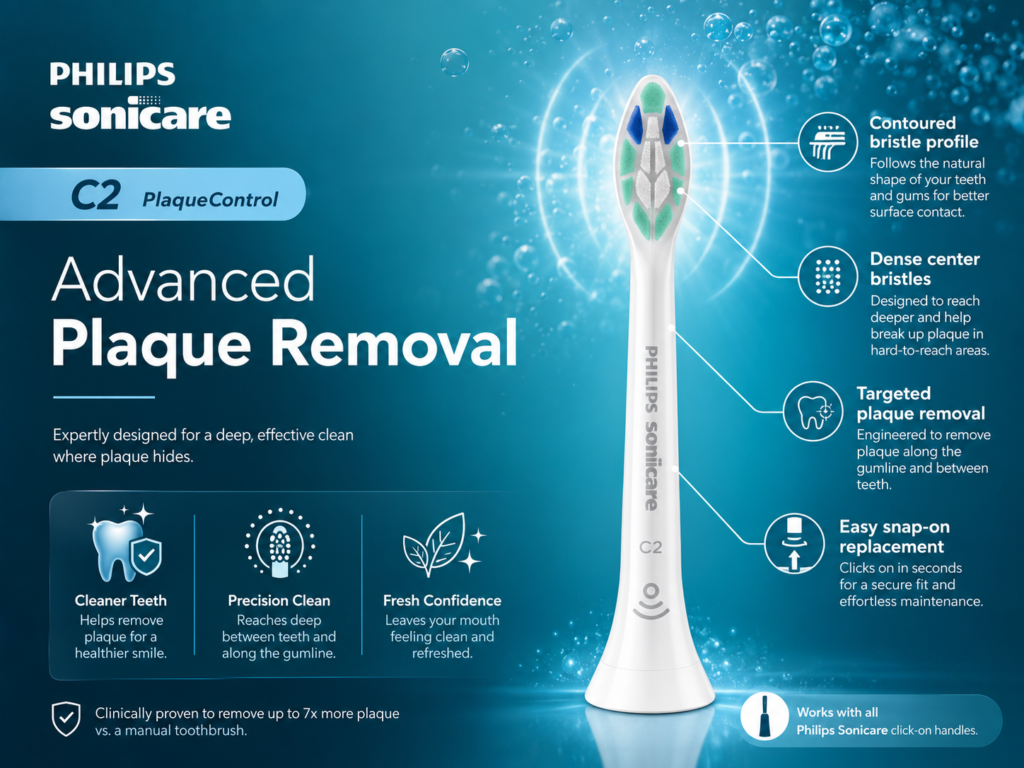
The 4100 comes standard with the C2 Optimal Plaque Control head. This head is designed with a dense arrangement of high-quality bristles to target plaque. However, the 4100 handle is compatible with the entire “Click-On” Sonicare ecosystem, including:

- Philips Sonicare C2 Plaque Control brush head’s power tip is designed to target plaque in hard-to-reach areas; these ele…
- Proven Sonicare technology cleans gently yet effectively with up to 62,000 bristle movements; Sonicare Fluid Action supp…
- All Philips Sonicare electric toothbrush replacement heads are meticulously designed and clinically tested: you can be s…
- G3 Premium Gum Care: For those focusing on gingivitis.
- W3 Premium White: For maximum stain removal.
- S2 Sensitive: For extremely delicate enamel.
By having a universal handle, you can customize your experience as your dental needs change over the years.
Is the Philips Sonicare toothbrush, really the Best Electric Toothbrush?
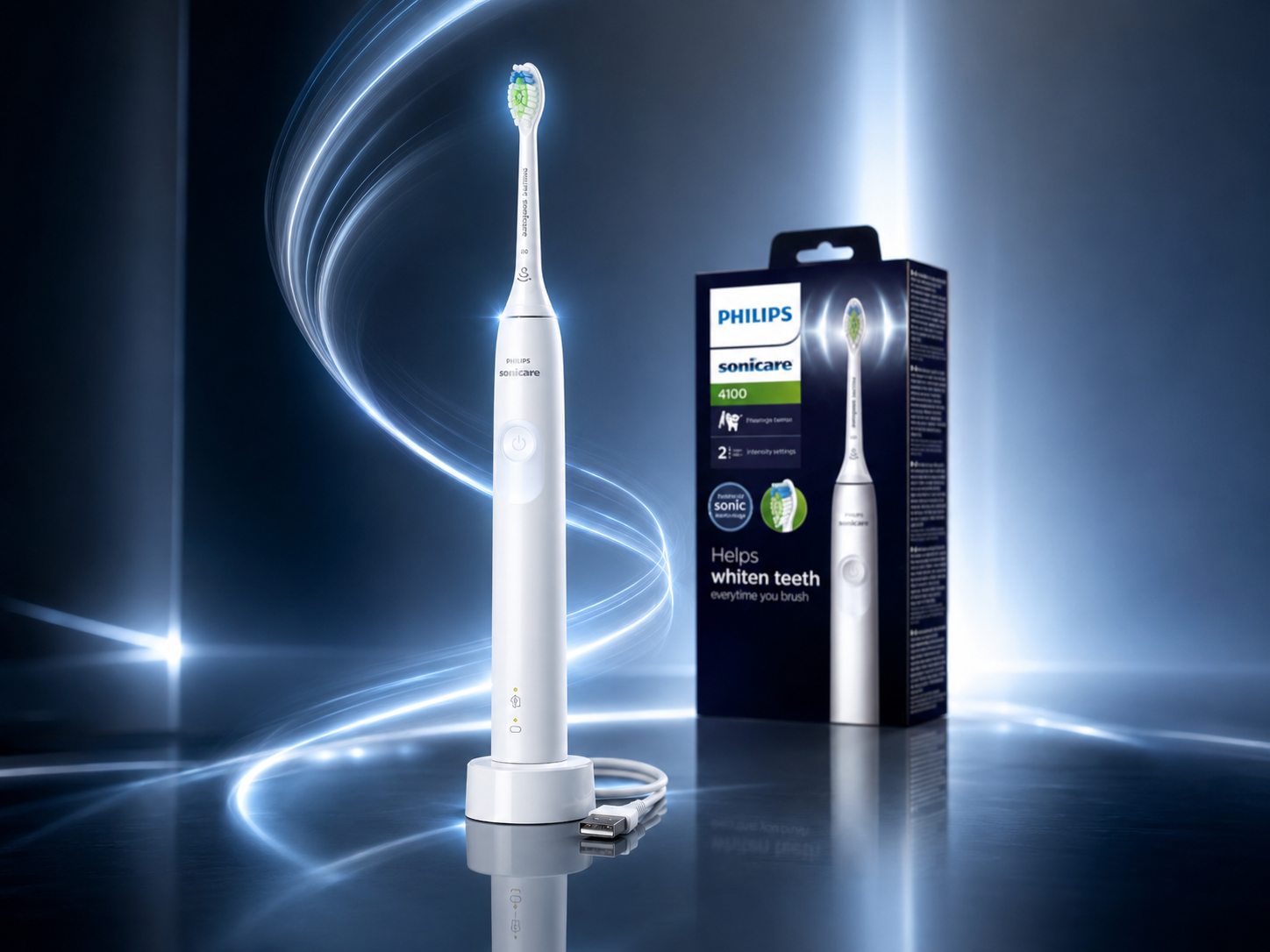
For 90% of the population, the answer is a resounding yes. While high-end models offer color screens and 3D mouth mapping, they don’t necessarily clean your teeth better than the 4100.
Pros:
- Superior plaque removal (7x vs manual).
- Essential pressure sensor for gum protection.
- Incredible battery life and modern USB charging.
- ADA Accepted for safety and efficacy.
Cons:
- No travel case included in the base model (HX3681/24).
- Only one cleaning mode (Clean), though two intensities help.
| Feature | Philips Sonicare 4100 (Winner) | Soocas NEOS II (The Hybrid) | Oral-B Pro 1000 (Classic) | Aquasonic Black Series (Whitening) | 2-in-1 Oral Clean Kit (The Multi-Tasker) |
| Cleaning Technology | Advanced Sonic (31,000 VPM) | Maglev Sonic + Integrated Water Jet | 3D Action (Oscillation-Rotation) | Ultra Sonic (40,000 VPM) | Sonic Brush + External Water Flosser |
| Primary Benefit | Gentle Gum Protection | Simultaneous Brush & Floss | Mechanical Plaque Removal | Surface Stain Whitening | All-in-One Oral Station |
| Cleaning Modes | 1 Mode (2 Intensities) | 2 Modes (Quick/Deep) | 1 Mode (Daily Clean) | 4 Modes (Clean, Soft, Whiten, Massage) | 5 Modes (Clean, White, Polish, etc.) |
| Pressure Sensor | Yes (Pulsing Haptic) | Yes (Automatic Flow Control) | Yes (Mechanical Stop) | No (Vibration Feedback) | No |
| Battery Life | 14 Days | 30 Days | 10 Days | 30 Days | 28 Days (Brush only) |
| Charging Type | Eco-friendly USB | Magnetic Fast Charging | Standard Charging Station | Wireless Induction | Dual Base Charger |
| Included Accessories | 1 Brush Head, USB Stand | 2 Brush Heads, Travel Bag | 1 CrossAction Head | 8 DuPont Heads, Travel Case | 5 Brush Heads, 7 Flosser Tips |
| ADA Accepted | Yes | Pending 2026 | Yes | Yes | No (Brand Dependent) |
| Best For | Daily Reliability | Busy Professionals | Deep Cleaning | Aesthetic/Whitening Focus | Braces & Orthodontics |
Frequently Asked Questions
What are the main Philips Sonicare 4100 features?
The Philips Sonicare 4100 combines 31,000 sonic brush strokes per minute with a pressure sensor, two-minute SmarTimer, 30-second QuadPacer and BrushSync head-replacement reminder. It has one everyday cleaning mode with High and Low intensity settings, giving users essential brushing guidance without app connectivity or an interactive display.
Philips Sonicare 4100 Specifications
| Feature | Philips Sonicare 4100 Specification |
|---|---|
| Cleaning technology | Sonic side-to-side bristle movement |
| Brushing speed | Up to 31,000 brush strokes per minute |
| Cleaning modes | One Clean mode |
| Intensity levels | High and Low |
| Pressure control | Pulsing warning and automatic vibration reduction |
| Brushing timer | Two-minute SmarTimer |
| Zone guidance | 30-second QuadPacer |
| Head reminder | BrushSync replacement reminder |
| Stated battery life | Up to 14 days |
| Standard brush head | C2 Optimal Plaque Control |
| Charging system | USB-powered charging stand |
Specifications are based on Philips’ current product information for the 4100 Series. Battery performance varies with brushing frequency, intensity setting, battery condition and charging habits.
What is the difference between HX3681/24 and HX3681/23?
The HX3681/24 and HX3681/23 are variations of the same Philips Sonicare 4100 platform, with the primary difference being their color or retail configuration. Both provide the same core sonic cleaning system, two intensities, pressure feedback, BrushSync reminder, QuadPacer, SmarTimer and approximately 14 days of stated battery life.
How does the Sonicare 4100 pressure sensor work?
The Sonicare 4100 pressure sensor detects when the user presses too firmly. The handle produces a pulsing sound and changes its vibration behavior, while the motor automatically reduces brushing intensity to encourage gentler contact with the teeth and gumline.
The pressure sensor can help correct aggressive brushing, but it cannot reverse gum recession or treat periodontal disease. Users with persistent bleeding, gum pain or visible recession should seek professional dental advice.
How long does the Philips Sonicare 4100 battery last?
Philips states that the Sonicare 4100 battery lasts up to 14 days when the toothbrush is used for two two-minute brushing sessions per day. Real battery life may be shorter or longer depending on intensity level, session length, battery age and charging habits.
The included charging stand uses a USB connection, although the package may not include a wall-power adapter. This makes the brush convenient for charging through a compatible wall plug, laptop or powered USB port.
Which replacement heads fit the Philips Sonicare 4100?
The Philips Sonicare 4100 uses the brand’s standard click-on brush-head system. Compatible options include plaque-control, sensitive, gum-care and whitening heads, although buyers should confirm the individual head’s compatibility before ordering because older screw-on heads and certain specialized Sonicare systems may differ.
For dependable cleaning, replace the brush head approximately every three months or sooner when its bristles become frayed, flattened or visibly worn. The BrushSync reminder estimates replacement timing from brush use; it does not detect bacteria on the brush head.
Philips Sonicare 4100 Feature-Value Chart
Editorial score based on usefulness for an everyday buyer; not a clinical performance measurement.
Two-minute brushing guidance     █████  5/5
Pressure protection              █████  5/5
Ease of daily use                █████  5/5
Replacement-head choice          ████   4/5
Battery convenience              ████   4/5
Travel accessories               ██     2/5
Smart-app functionality          █      1/5
Advanced mode customization      █      1/5
The chart illustrates the Sonicare 4100’s central value proposition: it performs strongly in practical brushing guidance and pressure management but offers limited smart features, cleaning modes and bundled accessories.
People Also Ask
Is the Philips Sonicare 4100 worth buying in 2026?
The Philips Sonicare 4100 is worth considering in 2026 for buyers who prioritize pressure control, timed brushing and uncomplicated sonic cleaning over apps and premium displays. Its strongest value lies in providing the core features most users need without requiring them to pay for extensive tracking or personalization tools.
It is less suitable for buyers who want several specialized cleaning modes, real-time mouth mapping, a color display or a premium charging travel case.
Does the Philips Sonicare 4100 really remove seven times more plaque?
Philips claims that the Sonicare 4100 removes up to seven times more plaque than a manual toothbrush from teeth and along the gumline. This is a manufacturer performance claim produced under defined testing conditions, so it should not be interpreted as a guarantee that every user will achieve seven times better results.
Actual plaque removal depends on brush-head condition, positioning, brushing duration, daily consistency and interdental cleaning. The claim also does not mean that two minutes of electric brushing literally replaces two months of complete oral hygiene.
Is the Philips Sonicare 4100 good for sensitive gums?
The Philips Sonicare 4100 can be a practical electric toothbrush for sensitive gums because it provides Low intensity and alerts the user when excessive pressure is applied. Its automatic vibration reduction may also help aggressive brushers develop a gentler technique.
Sensitive-gum users should select a soft or sensitive brush head and avoid forcing the bristles against the gingival margin. The American Dental Association recommends soft bristles because they minimize the risk of gingival abrasion.
How do you use the Philips Sonicare 4100 correctly?
Apply a pea-sized amount of fluoride toothpaste, place the bristles against the teeth before switching the brush on and guide the head slowly across each surface. Hold the brush at a gentle angle toward the gumline and allow the sonic movement to perform the cleaning instead of making forceful manual scrubbing motions.
Follow the QuadPacer prompt every 30 seconds and continue until the two-minute SmarTimer completes the brushing cycle. Clean the outer, inner and chewing surfaces of every tooth, and use floss or another interdental cleaner because a toothbrush cannot fully clean tight spaces between teeth.
Is the Sonicare 4100 better than the Oral-B Pro 1000?
The Sonicare 4100 is better suited to users who prefer an elongated sonic brush head, gentler-feeling vibration, two intensity levels and a stated 14-day battery. The Oral-B Pro 1000 uses a smaller round head with oscillating, rotating and pulsating movement, which may appeal to users who prefer cleaning one tooth at a time.
Both toothbrushes include pressure feedback and two-minute timing assistance. The better choice depends less on advertised movement numbers and more on which head shape, brushing sensation and replacement-head system the user will operate correctly every day.
Editorial Accuracy Note
The “up to seven times more plaque” statement should always be attributed to Philips rather than presented as an independently universal result. Similarly, BrushSync should be described as a brush-head replacement reminder—not a sensor that detects bacteria or directly measures bristle cleanliness.
Pricing, package contents and color availability may differ among retailers and regions. Confirm the exact HX3681 SKU before stating that a travel case, wall adapter or specific brush-head bundle is included.
Hydropaste Readers Must Know
The best electric toothbrush isn’t the one with the most apps; it’s the one you use correctly every single day. The Philips Sonicare 4100 Series provides the perfect balance of professional-grade technology and user-friendly simplicity. If you want a dentist-clean feeling every morning without breaking the bank, the HX3681/24 is your top choice for 2026.