
Soft-Tissue Integration: Best Electric Toothbrushes, Gum Health Systems & Brushing Technique
Amazon Affiliate Disclosure
Hydropaste may earn a commission from qualifying purchases through affiliate links, including Amazon links. This does not affect the price you pay. Our product discussions are written to help readers compare brushing systems, gum-care tools, and oral-care routines with a clear focus on safety, fit, and long-term oral wellness.
Updated on July, 2026.
Beyond Teeth: Why Soft Tissue Matters
Most oral-care conversations begin with enamel. People ask how to whiten teeth, remove plaque, prevent cavities, polish stains, or choose a toothpaste. Those questions matter, but they do not tell the whole story. The mouth is not only a set of hard surfaces. It is a living environment shaped by gums, interdental papillae, tongue coating, soft-tissue tolerance, saliva behavior, and the delicate epithelial seal around each tooth.
That is where soft-tissue integration becomes important.
Soft-tissue integration is the ability of an oral-care system to clean efficiently without damaging or irritating the biological tissue that holds the mouth together. A toothbrush that removes plaque but causes gum trauma is not a true upgrade. A device that feels powerful but encourages overbrushing may create new problems while solving old ones. Long-term oral health depends on balance: enough mechanical disruption to control plaque, but enough restraint to protect gums, enamel margins, and sensitive tissue.
At Hydropaste, oral care is treated as a system rather than a single-product habit. Toothpaste, electric toothbrushes, interdental tools, tongue cleaning, gum-care routines, and enamel-safe cleaning all need to work together. Soft-tissue integration is the part of that system that asks a more advanced question: does your routine clean the mouth while respecting the tissues that keep teeth stable?
This page explains how electric toothbrushes, brushing technique, pressure sensors, sonic and oscillating technology, gum-health tools, and condition-based routines fit into a complete soft-tissue strategy.
Quick Jump
- Beyond Teeth: Why Soft Tissue Matters
- What Is Soft-Tissue Integration?
- What Is Soft-Tissue Integration For?
- The S.O.F.T. Method
- Why Electric Toothbrushes Changed Gum Care
- Best Electric Toothbrushes for Soft-Tissue Integration 💥
- How to Use an Electric Toothbrush Correctly
- Oscillating vs Sonic Toothbrushes
- Soft-Tissue Integration System Map
- Electric Toothbrush Hub Overview
- Shop by Brand Overview
- Gum Health System Overview
- Condition-Based Care Overview
- Brushing Techniques Overview
- Strategic Buying Framework
- Upcoming Trends in Soft-Tissue Oral Care
- Editorial Insights
- FAQs
What Is Soft-Tissue Integration?

Soft-tissue integration is the relationship between mechanical cleaning and biological tolerance. In simple terms, it means your brushing system removes plaque without overwhelming your gums.
A strong soft-tissue integration system considers:
- Gumline pressure
- Brush head movement
- Tissue sensitivity
- Plaque accumulation patterns
- Brushing angle
- Gum recession risk
- Bleeding tendency
- Brushing frequency
- Enamel safety
- Interdental cleaning support
- Product compatibility
A toothbrush does not interact only with enamel. Every brushing session also contacts the gum margin, interdental papillae, inner cheek area, tongue-side gumline, and exposed root surfaces in people with recession. That means brushing technique is not only about cleanliness. It is also about tissue management.
Soft Tissue Includes More Than Gums
When readers think about gum health, they usually imagine the visible pink tissue around teeth. Soft-tissue integration goes wider than that.
It includes:
| Soft-Tissue Area | Why It Matters |
|---|---|
| Gingival margin | The edge where gum meets tooth; commonly affected by plaque and brushing force |
| Interdental papilla | The small triangular gum tissue between teeth; sensitive to plaque and trauma |
| Epithelial attachment | The biological seal that helps protect deeper periodontal structures |
| Cheek and lip tissue | Can be irritated by harsh brushing or strong products |
| Tongue surface | Holds coating and bacteria that influence breath and oral ecology |
| Recession-prone root surfaces | More vulnerable to abrasion and sensitivity |
A good brushing system should respect all of these areas.
What Is Soft-Tissue Integration For?
Soft-tissue integration is for people who want cleaner teeth without gum damage, better plaque control without harsh scrubbing, and a smarter daily routine that supports long-term oral stability.
It is especially useful for:
- People with bleeding gums
- People with gum sensitivity
- People with early gingivitis
- People with gum recession
- People who brush too hard
- People using electric toothbrushes for the first time
- People choosing between sonic and oscillating toothbrushes
- People with orthodontic appliances
- People with crowns, bridges, veneers, or implants
- People trying to prevent cavity risk through better plaque control
- People who want a complete oral-care system instead of isolated products

The goal is not softer cleaning. The goal is controlled cleaning.
Soft-tissue integration does not mean avoiding plaque removal. It means removing plaque in a way that does not create unnecessary stress on the gumline.
Why Electric Toothbrushes Changed Gum Care

Electric toothbrushes have quietly changed the way oral-care systems are designed. They are often marketed as convenience devices, but their deeper value is behavioral correction.
Manual brushing depends heavily on human consistency. The user must maintain the right pressure, angle, rhythm, coverage, time, and gumline control. Most people do not do this perfectly. Some brush too hard. Some brush too briefly. Some miss inner surfaces. Some scrub horizontally at the gumline. Some concentrate on visible front teeth and neglect the molars.
Electric toothbrushes can reduce several of these errors.
Why Electric Toothbrushes Can Be Better for Soft Tissue
Electric toothbrushes may support soft-tissue integration because they offer:
- Automated cleaning motion
- More consistent brushing rhythm
- Built-in timers
- Quadrant pacing
- Pressure sensors
- Gum-care modes
- Smaller brush heads for targeted access
- Smart feedback on coverage and technique
- Less need for aggressive scrubbing

The advantage is not raw power. In fact, “more power” is the wrong way to think about gum-safe brushing. The real advantage is controlled repetition.
A well-designed electric toothbrush can help users shift from force-based brushing to technique-based cleaning.
When Electric Toothbrushes Can Cause Problems
An electric toothbrush can still irritate gums if used incorrectly. Common mistakes include:
- Pressing too hard
- Scrubbing with the brush instead of guiding it
- Using a stiff or worn brush head
- Holding the brush too flat against the teeth
- Ignoring pressure sensor warnings
- Staying too long on one gumline area
- Using whitening modes when gums are inflamed
- Replacing professional care with home gadgets
Soft-tissue integration depends on both tool design and user behavior. A premium brush used aggressively can be worse than a basic brush used correctly.
Best Electric Toothbrushes for Soft-Tissue Integration

The best electric toothbrush for soft-tissue integration is not always the most expensive model. The right choice depends on gum sensitivity, plaque buildup, brushing habits, dexterity, and whether you need a simple brush or a full smart system.
Quick Picks: Best Electric Toothbrushes for Soft-Tissue Integration
| Category | Best Direction | Why It Fits |
|---|---|---|
| Best Overall | Oral-B Pro 1000 | Strong plaque removal with a simple pressure sensor |
| Best Sonic Experience | Philips Sonicare 4100 | Gentle sonic movement for gum-sensitive users |
| Best Smart Features | Brio Ollie SmartClean | Better for users who want feedback and brushing correction |
| Best Value Kit | 2-in-1 Oral Care Kit | Combines brushing with broader oral-care support |
| Best Design + Innovation | Soocas NEOS II | Smart modes and refined user experience |
| Best Hygiene Innovation | Aquasonic Black Series PRO UV | Sonic cleaning with UV-supported brush head hygiene |
Best Overall: Oral-B Pro 1000
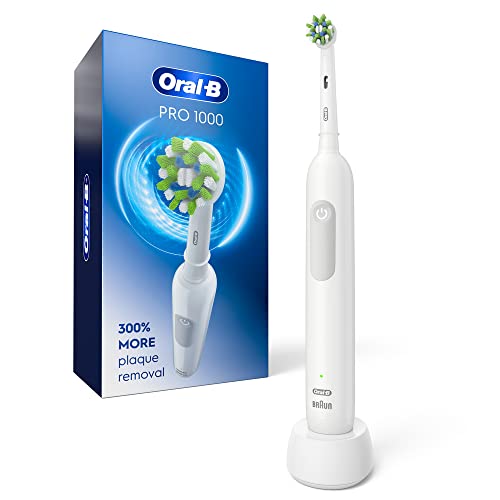
- REMOVE UP TO 100% MORE PLAQUE* along the gumline whilst PROTECTING GUMS with our dentist-inspired round brush head techn…
- PROTECT YOUR GUMS with sensi cleaning mode and GUM PRESSURE CONTROL that automatically stops brush pulsations when brush…
- MAXIMIZE CLEANING performance with 3 EASY-TO-USE CLEANING MODES + handle-integrated quadrant timer that alerts you every…
The Oral-B Pro 1000 remains a strong option because it is simple, effective, and focused. Its oscillating-rotating head can be useful for plaque removal around the gumline, especially for users who want a no-nonsense electric toothbrush without excessive app features.
Best for: plaque-focused users, beginners, people who want a reliable electric toothbrush
Soft-tissue advantage: pressure sensor support and targeted gumline cleaning
Watch-out: users must avoid pressing too hard or scrubbing with the brush
Best Sonic Experience: Philips Sonicare 4100
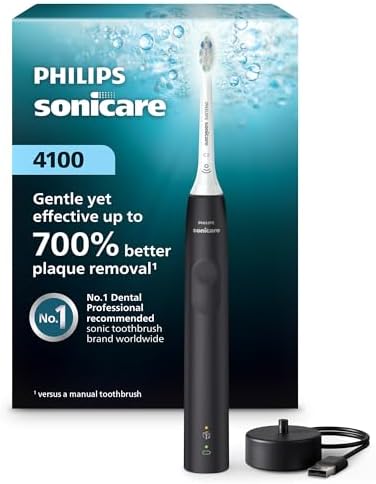
- The C2 Optimal Plaque brush head with soft, flexible, stain-removal bristles helps whiten and polish your teeth; it also…
- Electric toothbrush for adults providing gentle yet effective cleaning: the Advanced Sonic Technology pulses fluid betwe…
- Safe and gentle electric toothbrush with pressure sensor: if you apply too much pressure, the handle will pulse slightly…
The Philips Sonicare 4100 is a strong fit for users who prioritize comfort and gum sensitivity. Sonic movement can feel smoother than oscillating motion, especially for people who dislike intense mechanical feedback.
Best for: sensitive gums, early inflammation, maintenance routines
Soft-tissue advantage: gentle sonic vibration and easy daily use
Watch-out: users still need good gumline positioning
Best Smart Features: Brio Ollie SmartClean

- Advanced Technology: The SmartClean toothbrush electric utilizes powerful sonic vibrations to clean deep between teeth a…
- Healthier Smile, Effortless Routine: The electric tooth brush features a built-in 2-minute timer, ensuring you brush for…
- Perfect for Any Brushing Style: The rechargeable toothbrush offers five brushing modes and three brush head styles, allo…
Smart toothbrush systems are becoming more relevant because they address the real weakness in brushing: behavior. A smart brush can help users notice pressure, angle, coverage, and routine consistency.
Best for: data-driven users, poor brushing habits, technique correction
Soft-tissue advantage: feedback can reduce harmful force and missed areas
Watch-out: smart features only help if the user pays attention to them
Best Value System: 2-in-1 Oral Care Kit

- 【Family Dental Center PRO】Water flosser and electric toothbrush combo. The Cordless Water Flosser uniquely combines wate…
- 【Your Perfect Flossing Choice】 This water flosser comes with a 200 ml water tank and 2000 mAh battery that is easily rec…
- 【Powerful Sonic Toothbrush】Ultrasonic motor generates 38,000 micro-vibrations per minute. More whitening effect and deep…
A 2-in-1 oral-care kit is useful because soft-tissue integration does not end with brushing. The gumline and interdental spaces work together. A brush may clean the exposed tooth surfaces, but it cannot fully clean between teeth.
Best for: users who want brushing plus interdental support
Soft-tissue advantage: broader plaque control across gumline and spaces
Watch-out: systems must remain easy enough for daily use
For readers who want to understand how between-teeth cleaning supports gum health, Hydropaste’s interdental center explains how plaque access, flossing tools, interproximal brushes, and between-teeth routines connect with soft-tissue stability.
Best Design + Innovation: Soocas NEOS II
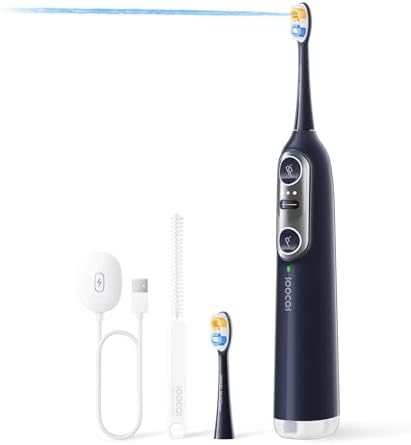
- BRUSH & FLOSS IN ONE GO, SAVE YOUR TIME: Tired of a cluttered counter? The Soocas NEOS II combines a powerful sonic toot…
- DEEP CLEAN & GUM CARE: Removes up to 100% of plaque & 35x more stains than a manual brush. This water flosser for teeth …
- PERFECT FOR TRAVEL WITH 30-DAY BATTERY: Enjoy a full month of travel on a single charge. This cordless portable water fl…
The Soocas NEOS II represents the design-forward side of electric toothbrush development. Its appeal is not only cleaning power, but also interface, usability, brushing modes, and modern product experience.
Best for: users who want a refined smart brushing experience
Soft-tissue advantage: multiple modes can help personalize brushing intensity
Watch-out: advanced features should not distract from technique basics
Best Hygiene Innovation: Aquasonic Black Series PRO UV

- ADA Accepted Toothbrush with Powerful Technology: Black Series PRO is the next generation of the best-selling Black Seri…
- Wireless Charging & Long Battery Life: Enjoy the convenience of wireless charging and a long-lasting battery that gives …
- Waterproof & Ergonomic Satin-Touch Handle – Designed for durability and comfort, the Black Series PRO boasts a waterproo…
The Aquasonic Black Series PRO UV fits users who care about brush head hygiene, sonic cleaning, and daily routine consistency. The UV sanitation element supports hygiene indirectly by reducing concern about microbial buildup on brush heads between uses.
Best for: hygiene-focused users, sonic brushing buyers, value-driven shoppers
Soft-tissue advantage: gentle sonic cleaning plus brush-head sanitation support
Watch-out: absence or limitation of pressure feedback means technique remains critical
How to Use an Electric Toothbrush Correctly

The biggest mistake people make with electric toothbrushes is using them like manual brushes. An electric brush is not meant to be scrubbed back and forth. It is designed to be guided.
The Best Electric Toothbrushing Technique
- Hold the brush at a 45-degree angle toward the gumline.
This helps the bristles reach the area where plaque often collects. - Let the brush do the work.
Do not scrub. Move slowly from tooth to tooth. - Use light pressure.
If your brush has a pressure sensor, keep it inactive. A pressure warning means the tool is telling you to back off. - Divide your mouth into four zones.
Spend about 30 seconds per quadrant for a total of two minutes. - Pause briefly at the gumline.
The gumline is where soft-tissue integration matters most. - Use a sensitive or gum-care mode if needed.
Strong modes are not always better, especially for sensitive gums. - Replace brush heads regularly.
Worn bristles clean poorly and may become rougher on soft tissue.
What Correct Technique Feels Like
Good electric brushing should feel controlled, not forceful. You should feel the bristles contacting the tooth and gumline lightly. You should not feel scraping, soreness, burning, or pressure pain.
Brushing Pressure and Tooth Wear
Overbrushing can contribute to gum irritation and tooth wear, especially near the gumline. People who already have recession, sensitivity, or exposed root surfaces should be especially careful with pressure.
The right brush should help you reduce force, not increase it.
Oscillating vs Sonic Toothbrushes

One of the most common buyer questions is whether oscillating or sonic toothbrushes are better for gum health. Both can work well. The best choice depends on how your mouth responds and what kind of cleaning experience you prefer.
Oscillating-Rotating Toothbrushes

Oscillating brushes, often associated with round brush heads, rotate and pulse around individual teeth. They can feel highly targeted and are often favored by users who want strong plaque removal.
Strengths:
- High gumline precision
- Small brush head access
- Strong plaque disruption
- Easy to position around individual teeth
- Good for users with visible plaque buildup
Potential drawbacks:
- Can feel intense for sensitive users
- Requires careful pressure control
- Some users may scrub too aggressively
Sonic Toothbrushes

Sonic toothbrushes use high-frequency vibration and elongated brush heads. They often feel smoother and may be preferred by users with gum sensitivity.
Strengths:
- Gentle brushing feel
- Easy daily maintenance
- Broad surface coverage
- Fluid movement effect around bristles
- Often comfortable for sensitive gums
Potential drawbacks:
- Some users may not position the brush carefully enough
- Larger brush heads may feel less precise in small mouths
- Technique still matters near the gumline
Oral B vs Sonicare: Soft-Tissue Integration Comparison

| Feature | Oral-B Style Oscillating | Sonicare Style Sonic |
|---|---|---|
| Motion Type | Rotating and pulsing | High-frequency vibration |
| Brush Head | Small round head | Elongated head |
| Gumline Precision | Very high | High |
| Gentle Feel | Moderate to high | Very high |
| Learning Curve | Easy | Very easy |
| Best For | Plaque removal focus | Gum sensitivity and maintenance |
| Watch-Out | Pressure control | Proper positioning |
Hydro Advice

Choose an oscillating brush if plaque buildup is your main concern and you want precise gumline targeting.
Choose a sonic brush if gum comfort, sensitivity, and daily maintenance are your priorities.
Soft-Tissue Integration System Map
A complete soft-tissue oral-care system has five major areas. Each area serves a different buyer intent: product comparison, brand selection, gum-health support, condition-based strategy, and brushing technique.
| System Area | Main Purpose | Best For |
|---|---|---|
| Electric Toothbrush Hub | Compare technologies and buying options | Buyers choosing a brush |
| Shop by Brand | Evaluate individual models | Product-specific shoppers |
| Gum Health System | Support bleeding gums, recession risk, and tissue comfort | Gum-focused users |
| Condition-Based Care | Match routines to sensitivity, gingivitis, cavities, treatment recovery | Problem-solving users |
| Brushing Techniques | Improve daily brushing behavior | Users who want better technique |
Electric Toothbrush Hub Overview
The electric toothbrush hub is the main decision center for users comparing brushing technology, device types, and performance features. It helps readers move from a broad question — “Which electric toothbrush should I buy?” — to a more precise question: “Which toothbrush fits my gums, plaque pattern, brushing habits, and lifestyle?”
Best Electric Toothbrushes
The best electric toothbrushes page compares leading devices across cleaning motion, pressure control, gum comfort, battery life, brushing modes, and value. This page is useful for readers who want a ranked buying guide with practical recommendations.
Top Rated Electric Toothbrush 2026
The top rated electric toothbrush page focuses on the single strongest all-around performer. It is designed for readers who do not want to compare every model and instead want a clear winner based on performance, usability, and soft-tissue compatibility.
Sonic vs Oscillating Toothbrushes
This page explains the difference between sonic vibration and oscillating-rotating motion. It is especially useful for buyers choosing between Sonicare-style and Oral-B-style brushing systems.
Pressure Sensor Brushes Explained
Pressure sensors are one of the most important features for soft-tissue integration. This page explains how pressure sensors work, why they matter for gums, and which users should prioritize them.
Smart AI Toothbrush Systems
Smart toothbrush systems are built around behavior correction. This page covers brushing feedback, app guidance, coverage mapping, pressure alerts, and how smart systems may improve routine consistency.
Travel Electric Toothbrush Case
Travel cases matter more than many buyers realize. A brush that is inconvenient to pack may not be used consistently. This page reviews travel-ready cases, charging systems, hygiene features, and portability.
Gum Health System Overview
The gum health system focuses on people who are not simply shopping for a toothbrush, but trying to protect or improve gum condition. This area is for users dealing with bleeding gums, recession concerns, tenderness, early inflammation, or periodontal maintenance.
Best Toothbrush for Gums
This page helps users choose a toothbrush based on gum comfort, pressure control, bristle softness, brush head size, and gentle cleaning modes.
Toothbrushes for Bleeding Gums
Bleeding gums require careful technique and consistent plaque control. This page explains which toothbrush features may help reduce irritation while supporting better gumline hygiene.
Gum Recession Prevention Tools
Gum recession is often linked to multiple factors, including brushing pressure, gum health, tooth position, and anatomy. This page focuses on tools and habits that help reduce avoidable mechanical stress.
Gum Stimulation and Circulation Care
This page explores gentle gum stimulation, massage modes, soft bristles, and brushing approaches that support tissue comfort without aggressive scrubbing.
Periodontal Support Routines
Periodontal support requires a broader routine. This page explains brushing, interdental cleaning, professional maintenance, gumline care, and daily consistency for users managing higher gum-risk profiles.
Condition-Based Care Overview
The condition-based care section is for readers who need a routine built around a specific oral-care problem. Not every person should use the same brushing strategy. Sensitivity, plaque buildup, gingivitis, dental treatment recovery, and enamel wear all require different decisions.
Sensitivity-Safe Brushing Strategies
This page covers brushing methods for people with sensitive teeth or gums. It focuses on soft pressure, proper angles, gentle modes, and avoiding unnecessary abrasion.
Plaque Control System for Cavity Prevention
Plaque control is not only about brushing harder. This page explains how brushing, timing, interdental cleaning, fluoride or mineral-support products, and diet patterns fit into cavity prevention.
Gingivitis Reversal Routine
This page outlines a gentle, structured routine for early gum inflammation. It emphasizes consistency, gumline cleaning, interdental support, and avoiding harsh overcorrection.
Post-Dental Treatment Care
After dental cleanings, fillings, crowns, gum treatment, whitening, or orthodontic adjustments, the mouth may need a gentler routine. This page helps users adapt brushing without abandoning plaque control.
Enamel-Safe Mechanical Cleaning
This page focuses on protecting enamel while cleaning effectively. It is especially important for users who brush aggressively, use whitening products, or have gumline wear.
For readers comparing oral-care approaches beyond hydroxyapatite-based products, Hydropaste’s non-hydroxyapatite center can help explain how different non-HAp systems fit into brushing, plaque control, and enamel-safe cleaning decisions.
Brushing Techniques Overview
The brushing techniques section is where the entire system becomes practical. Buying a better toothbrush helps, but technique decides whether the product works safely.
Proper Brushing Technique Guide
This page explains the fundamentals: angle, pressure, timing, coverage, gumline control, brush head placement, and common mistakes.
Sonic Cleaning vs Manual Brushing
This page compares sonic electric brushing with manual brushing. It helps readers understand why automated movement can improve consistency, but also why technique still matters.
Brushing Pressure and Tooth Wear
This page focuses on the link between excess brushing force, gumline irritation, recession risk, and enamel or root-surface wear.
Frequency and Timing of Brushing
This page explains when to brush, how often to brush, how long to brush, and how timing interacts with meals, acids, bedtime routines, and product choice.
Interdental Brush Integration
This page connects brushing with between-teeth cleaning. A toothbrush cannot fully clean interproximal spaces, so interdental tools are often needed for complete plaque access.
Strategic Buying Framework: The S.O.F.T. Method
Choosing an electric toothbrush should not begin with brand loyalty. It should begin with tissue fit. The S.O.F.T. Method helps buyers evaluate products through a soft-tissue lens.
S — Sensitivity Profile
Do you have bleeding, tenderness, recession, or sensitivity? If yes, prioritize a gentle mode, soft brush heads, and pressure control.
O — Oral Architecture
Your mouth shape matters. Small mouths, crowded teeth, braces, implants, bridges, and gum recession all affect brush selection.
F — Force Control
A toothbrush should help reduce excess force. Pressure sensors are especially valuable for users who brush hard.
T — Technique Support
Timers, quadrant pacing, app feedback, and brush head design all influence whether users brush properly over time.
Electric Toothbrush Buying Matrix
| Buyer Need | Best Feature to Prioritize | Best Product Direction |
|---|---|---|
| Bleeding gums | Gentle mode and pressure sensor | Sonicare-style or gum-care brush |
| Heavy plaque | Targeted brush head movement | Oscillating brush |
| Poor technique | Smart feedback | Smart AI toothbrush |
| Frequent travel | Case and battery life | Travel electric toothbrush system |
| Sensitive teeth | Soft bristles and low-intensity mode | Sonic brush |
| Full-mouth upgrade | Brushing + interdental tools | 2-in-1 oral-care kit |
| Hygiene concern | Brush-head sanitation | UV-supported system |
Soft-Tissue Integration and Whole-Mouth Oral Care
Soft-tissue integration does not replace other oral-care systems. It connects them.
A complete oral-care routine should include:
- Toothpaste selected for your enamel and gum needs
- Electric or manual brushing with proper technique
- Interdental cleaning
- Tongue cleaning when needed
- Gumline awareness
- Product compatibility
- Professional dental evaluation
- Consistent night routine
Electric toothbrushes support exposed tooth surfaces and gumline margins. Interdental tools support spaces between teeth. Toothpaste supports enamel and mineral strategy. Tongue cleaning supports breath and microbial spread control. None of these steps should be treated as isolated.
For readers who want Hydropaste’s broader product decision center, the best ever section connects major oral-care categories into buyer-focused comparisons and upgrade paths.
Upcoming Trends in Soft-Tissue Oral Care
Soft-tissue integration is becoming one of the most important themes in oral-care product development. The next generation of toothbrushes and gum-care systems will likely focus less on raw power and more on personalization, pressure intelligence, tissue safety, and behavior correction.
1. Smarter Pressure Mapping
Pressure sensors are becoming more advanced. Future systems may detect not only whether pressure is too high, but where the user applies excessive pressure most often.
2. Gumline-Specific Brushing Modes
Instead of generic “clean” and “whitening” modes, toothbrushes may offer more specialized gumline modes designed for recession-prone users, periodontal maintenance, or post-treatment sensitivity.
3. AI-Guided Coverage Coaching
Smart brushes are moving toward better coverage analysis. This could help users identify neglected molars, inner surfaces, or overbrushed front teeth.
4. Integrated Brush and Interdental Systems
Soft-tissue integration is incomplete without interdental cleaning. More devices may combine brushing with water flossing, gum massage, or interproximal cleaning support.
5. Brush-Head Hygiene Innovation
UV cleaning bases, antimicrobial storage cases, drying systems, and replacement reminders will become more common as buyers pay more attention to hygiene between uses.
6. Sensitivity-First Product Design
More oral-care brands are likely to develop products specifically for sensitive gums, exposed roots, post-whitening care, and older adults with gum recession.
7. Data-Driven Oral Wellness
The toothbrush is becoming a behavior tracker. In the future, brushing data may help users understand consistency, pressure habits, missed areas, and long-term routine quality.
Common Soft-Tissue Brushing Mistakes
Mistake 1: Scrubbing With an Electric Toothbrush
Electric brushes are designed to move for you. Scrubbing adds unnecessary force and can irritate gum tissue.
Mistake 2: Choosing Whitening Mode for Sensitive Gums
Whitening modes may feel stronger or more intense. People with gum sensitivity should often begin with sensitive or gum-care modes.
Mistake 3: Ignoring Brush Head Size
A brush head that is too large may reduce precision, especially around molars or crowded teeth.
Mistake 4: Brushing Too Soon After Acidic Foods
After acidic meals or drinks, enamel may be more vulnerable. Rinsing with water and waiting before brushing may be more appropriate.
Mistake 5: Replacing Technique With Technology
A smart toothbrush can help, but it cannot fix careless use if the user ignores pressure alerts and coverage guidance.
Mistake 6: Skipping Interdental Cleaning
A toothbrush cannot fully clean between teeth. Gum inflammation often begins in areas brushing cannot reach well.
Best Routine for Soft-Tissue Integration
A soft-tissue-friendly brushing routine should be simple enough to repeat and careful enough to protect gum structures.
Morning Routine
- Brush for two minutes using light pressure.
- Focus on gumline positioning.
- Use a gentle mode if gums feel tender.
- Rinse the brush head and store it hygienically.
Night Routine
- Clean between teeth first.
- Brush for two minutes with a soft or electric brush.
- Use quadrant pacing.
- Clean the tongue if breath or coating is a concern.
- Avoid sugary snacks after cleaning.
Weekly Check
Once per week, ask:
- Are my gums bleeding less?
- Do any areas feel sore after brushing?
- Am I pressing too hard?
- Is my brush head worn?
- Am I missing the back molars?
- Am I cleaning between teeth consistently?
- Does my toothbrush fit my gum condition?
This turns brushing from a habit into a managed oral-care system.
FAQs
What is soft-tissue integration in oral care?
Soft-tissue integration is the ability of an oral-care routine to clean teeth while protecting gums, interdental papillae, oral tissue, and the gumline seal around each tooth. It focuses on controlled plaque removal rather than aggressive brushing.
A good soft-tissue integration system includes proper brushing technique, gentle pressure, suitable toothbrush technology, interdental cleaning, gumline awareness, and products that do not irritate sensitive tissue.
Are electric toothbrushes better for gum health?
Electric toothbrushes can be better for gum health when used correctly. Their main advantage is consistency. Timers, pressure sensors, quadrant pacing, and automated motion can help users avoid common manual brushing mistakes.
However, an electric toothbrush can still irritate gums if the user presses too hard, scrubs aggressively, or uses the wrong mode. The tool matters, but technique matters just as much.
Is a sonic or oscillating toothbrush better for sensitive gums?
A sonic toothbrush often feels gentler for users with sensitive gums, while an oscillating toothbrush may offer more targeted plaque removal. The better choice depends on the user’s gum condition, brushing habits, and comfort preference.
For sensitivity and maintenance, sonic systems are often a strong fit. For plaque-focused users who want precision around the gumline, oscillating brushes may be better.
What is the best electric toothbrush for bleeding gums?
The best electric toothbrush for bleeding gums is usually one with soft bristles, a pressure sensor, a gentle brushing mode, and a timer. Bleeding gums need consistent plaque control, but they also need careful technique.
Users should avoid hard scrubbing. If bleeding continues despite gentle daily cleaning, a dental professional should evaluate the gums.
Can brushing too hard cause gum recession?
Brushing too hard may contribute to gum irritation and recession risk, especially in people with thin gum tissue, exposed roots, or aggressive horizontal brushing habits. It can also contribute to tooth wear near the gumline.
A pressure sensor toothbrush can help users recognize when they are applying too much force.
People Also Ask
How long should you brush with an electric toothbrush?
Most users should brush for two minutes, usually divided into four 30-second quadrants. The goal is even coverage, not speed. Spending too little time may leave plaque behind, while overworking one area can irritate tissue.
A built-in timer helps keep brushing consistent and prevents users from rushing.
Should an electric toothbrush touch the gums?
Yes, an electric toothbrush should gently clean along the gumline, but it should not be pressed hard into the gums. The bristles should lightly contact the area where tooth and gum meet.
This is where plaque often collects, so avoiding the gumline entirely is not ideal. The key is gentle positioning, not force.
Why do my gums hurt after using an electric toothbrush?
Gums may hurt after electric brushing if you are pressing too hard, using a harsh mode, using a worn brush head, brushing too long in one area, or switching suddenly from manual brushing with inflamed gums.
Start with a gentle mode, use light pressure, and let the brush do the work. Persistent pain should be checked by a dental professional.
Do pressure sensors on toothbrushes really matter?
Pressure sensors matter for many users because overbrushing is common. A pressure sensor can warn you when you are applying too much force, helping protect gums and enamel margins.
This feature is especially useful for people with recession, sensitivity, bleeding gums, or a history of brushing aggressively.
Can an electric toothbrush replace flossing?
No. An electric toothbrush cannot fully replace flossing or interdental cleaning. It cleans exposed tooth surfaces and gumline areas, but it cannot reliably clean tight spaces between teeth.
For complete plaque control, many users need both brushing and interdental cleaning.
Editorial Insights
Soft-tissue integration changes the way we judge oral-care tools. A toothbrush should not be evaluated only by how powerful it feels, how many modes it has, or how polished the handle looks. The real question is whether it helps the user clean consistently while protecting the tissues that support long-term oral stability.
Electric toothbrushes are not just upgrades. They are behavior-shaping devices. The best ones reduce human error, guide pressure, improve coverage, and help users build better routines. But even the most advanced brush still depends on a simple principle: clean intelligently, not aggressively.
The future of oral care will belong to systems that respect biology. Plaque control, gum comfort, enamel safety, interdental cleaning, and product hygiene all need to work together. That is the promise of soft-tissue integration: not just cleaner teeth, but a more stable oral environment.
For more complete oral-care education, product comparisons, and system-based guidance, return to the Hydropaste homepage.