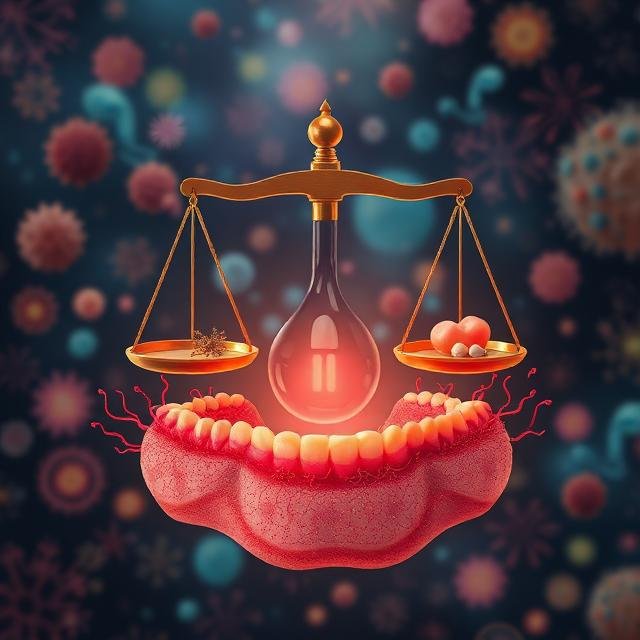
Microbiome 101: Understanding the Oral Microbiome and Your Mouth’s Hidden Ecosystem
Amazon Affiliate Disclosure
Hydropaste.com participates in affiliate advertising programs. Some pages may contain affiliate links. If you purchase through these links, we may earn a commission at no additional cost to you.
Most people think oral health begins and ends with brushing, flossing, and avoiding sugar. That model is outdated.
Inside every mouth exists a living ecosystem containing billions of microorganisms interacting with teeth, gums, saliva, oxygen levels, food particles, pH balance, and immune defenses. This environment is known as the oral microbiome — and it plays a much larger role in health than most people realize.
A stable oral microbiome helps regulate inflammation, controls harmful bacterial overgrowth, protects enamel surfaces, and supports healthy gums. When this ecosystem becomes unbalanced, conditions like plaque buildup, chronic bad breath, tooth decay, bleeding gums, and periodontal disease become significantly more likely.
This guide on oral microbiome balance explains how the mouth’s bacterial ecosystem works, why modern lifestyles disrupt it, and what current research suggests about maintaining a healthier microbial environment.
If you are new to the topic, start with our main hub on Hydropaste.com.
Quick Jump
| Looking For | Jump To |
|---|---|
| What the oral microbiome actually is | What Is the Oral Microbiome? |
| How bacteria affect teeth and gums | Oral Microbiome and Tooth Decay |
| Healthy vs harmful mouth bacteria | Good Bacteria vs Bad Bacteria |
| Gum disease explained | Oral Microbiome and Gum Disease |
| Best ways to improve oral microbiome balance | Restoring Oral Microbiome Balance |
| Future microbiome dental technology | Trends & Latest Tech |
| Product and treatment costs | Costs & Price Expectations |
| Risks of microbiome imbalance | Risks of Poor Oral Microbiome Health |
| How maintaining oral microbiome balance will benefit you | Benefits of Maintaining Oral Microbiome Balance |
| Traditional vs Microbiome-Friendly Mouthwash | Best Mouthwash for Oral Microbiome Balance |
What Is This Guide For?
This Microbiome 101 guide was created for readers who want to understand:
- How oral bacteria influence dental health
- Why some people develop cavities despite brushing regularly
- The connection between gum disease and microbial imbalance
- How saliva, diet, pH, and hygiene affect bacterial populations
- Which modern dental products may help support oral microbiome balance
- Emerging microbiome-focused dental technologies
The goal is not simply cleaner teeth. The goal is ecosystem stability.
Who Needs This Guide?
This guide is especially useful for:
People With Frequent Cavities
Repeated enamel breakdown often reflects bacterial imbalance rather than hygiene alone.
Individuals With Bleeding Gums
Persistent gum inflammation is commonly linked to shifts in oral bacterial populations.
People With Chronic Bad Breath
Halitosis frequently originates from sulfur-producing bacteria living on the tongue and gum pockets.
Biohackers & Preventive Health Enthusiasts
The oral microbiome is increasingly discussed alongside gut health, inflammation, and immune resilience.
Parents
Childhood bacterial colonization may influence long-term dental outcomes.
People Using Harsh Mouthwashes
Over-sterilizing the mouth can disrupt beneficial bacteria alongside harmful strains.
What Is the Oral Microbiome?

The oral microbiome refers to the community of microorganisms living inside the mouth, including:
- Bacteria
- Fungi
- Viruses
- Protozoa
- Microbial biofilms
These organisms inhabit:
- Teeth
- Tongue
- Gums
- Saliva
- Cheeks
- Throat surfaces
A healthy mouth is not bacteria-free. In fact, complete sterilization would be harmful.
Beneficial bacteria help:
- Compete against harmful pathogens
- Maintain pH balance
- Regulate inflammatory responses
- Reduce harmful biofilm formation
- Support tissue stability
This is why modern dentistry is increasingly shifting away from the “kill all bacteria” mindset.
For a deeper breakdown, explore What Is Oral Microbiome.
Good Bacteria vs Bad Bacteria in Mouth
Healthy Oral Bacteria
Beneficial bacteria help maintain ecological balance. Some strains contribute to nitric oxide production, while others reduce acid-producing pathogens.
Common beneficial behaviors include:
- Maintaining microbial diversity
- Reducing plaque aggression
- Stabilizing mouth pH
- Limiting inflammation
Harmful Oral Bacteria
Problems begin when opportunistic bacteria dominate the ecosystem.
These harmful strains may contribute to:
- Tooth decay
- Gum bleeding
- Sulfur breath compounds
- Plaque calcification
- Periodontal pockets
- Enamel demineralization
Common triggers include:
- High sugar intake
- Dry mouth
- Smoking
- Excessive alcohol-based mouthwash
- Poor sleep
- Chronic stress
- Acidic diets
Continue reading in our dedicated guide on Good Bacteria vs Bad Bacteria in Mouth.
Comparison Chart: Healthy vs Unhealthy Oral Microbiome
| Feature | Healthy Oral Microbiome | Imbalanced Oral Microbiome |
|---|---|---|
| Breath | Neutral or fresh | Persistent bad breath |
| Gum Condition | Firm and pink | Inflamed or bleeding |
| Plaque Formation | Controlled | Rapid buildup |
| Mouth pH | Balanced | Acidic |
| Cavity Risk | Lower | Higher |
| Saliva Quality | Protective | Reduced buffering |
| Inflammation | Low-grade | Chronic |
| Biofilm Activity | Stable | Aggressive |
| Tooth Sensitivity | Less common | More frequent |
Oral Microbiome and Tooth Decay Link
Tooth decay is not simply “food stuck on teeth.”
Cavities develop when acid-producing bacteria metabolize carbohydrates and repeatedly lower the mouth’s pH below critical enamel thresholds.
This creates a cycle:
- Sugar consumption increases
- Acid-producing bacteria expand
- Enamel minerals dissolve
- Harmful biofilms strengthen
- Cavities form
A balanced oral microbiome helps resist this cycle by limiting bacterial dominance and stabilizing environmental conditions.
Read the full breakdown here:
Oral Microbiome and Tooth Decay
Oral Microbiome and Gum Disease Explained
Gum disease is increasingly viewed as a dysbiosis-driven inflammatory condition.
Rather than a single infection, periodontal disease often reflects:
- Microbial imbalance
- Immune overactivation
- Deep biofilm accumulation
- Tissue destruction over time
Early symptoms include:
- Gum bleeding
- Swelling
- Metallic taste
- Receding gums
- Persistent odor
Advanced periodontal disease may eventually affect bone stability around teeth.
Explore the dedicated page: Oral Microbiome and Gum Disease Explained
Benefits of Maintaining Oral Microbiome Balance
Stronger Enamel Stability
Balanced bacterial ecosystems help reduce aggressive acid cycles.
Healthier Gums
Inflammatory burden decreases when pathogenic bacteria remain controlled.
Fresher Breath
Microbial balance reduces volatile sulfur compound production.
Lower Plaque Aggression
Not all plaque behaves equally. Healthier biofilms are less destructive.
Improved Saliva Function
Healthy saliva acts as a biological buffering system.
Better Long-Term Oral Health
Microbial stability may support healthier aging outcomes.
Oral Microbiome Balance: Key Factors That Matter
Saliva Flow
Saliva regulates:
- pH
- Mineral transport
- Bacterial control
- Acid buffering
Dry mouth dramatically increases imbalance risk.
Diet Quality
Frequent sugar exposure feeds acid-producing bacteria.
Fiber-rich foods stimulate saliva and mechanical cleansing.
Sleep & Stress
Poor sleep alters immune signaling and inflammatory regulation, indirectly influencing oral bacterial behavior.
Hygiene Strategy
Over-cleaning with aggressive antiseptics may damage beneficial bacterial populations.
The goal is microbial management — not sterilization.
Best Mouthwash for Oral Microbiome Balance
Traditional mouthwash formulas were largely designed around one idea: eliminate as many oral bacteria as possible. While this can temporarily reduce odor-causing microbes, it may also disturb beneficial bacterial populations that help stabilize the oral environment.
This has led to growing interest in the best mouthwash for oral microbiome balance — products designed to support a healthier microbial ecosystem instead of aggressively sterilizing it.
Microbiome-friendly mouthwashes typically focus on:
- maintaining oral pH stability
- supporting saliva function
- reducing harmful bacterial overgrowth without disrupting microbial diversity
- minimizing dryness associated with alcohol-heavy rinses
Unlike conventional antiseptic rinses, these formulations are often designed for long-term ecosystem support rather than short-term bacterial suppression.
Some microbiome-focused rinses now incorporate mineral-supportive ingredients such as hydroxyapatite, which is increasingly discussed for its role in enamel support and oral surface stability. Readers exploring microbiome-safe formulations can review our breakdown of the Best Mouthwashes for ingredient comparisons, alcohol-free options, and daily-use recommendations.
What to Look For
When evaluating a microbiome-focused mouthwash, important characteristics include:
| Feature | Why It Matters |
|---|---|
| Alcohol-free formula | Helps prevent dry mouth |
| pH-balanced ingredients | Supports enamel stability |
| Gentle antimicrobial activity | Avoids excessive bacterial disruption |
| Saliva-supportive formulation | Helps natural remineralization |
| Daily-use compatibility | Reduces long-term irritation risk |
Traditional vs Microbiome-Friendly Mouthwash
| Traditional Mouthwash | Microbiome-Friendly Mouthwash |
|---|---|
| Broad bacterial elimination | Selective microbial management |
| Often alcohol-based | Commonly alcohol-free |
| Strong antiseptic effect | Ecosystem-supportive approach |
| Temporary freshness focus | Long-term oral balance focus |
| Can contribute to dryness | Designed to preserve saliva stability |
For individuals dealing with chronic bad breath, recurring gum irritation, or sensitivity linked to oral dryness, microbiome-supportive rinses may offer a more balanced approach to daily oral care.
👉 Explore More Oral Microbiome Strategies on our Oral Microbiome Balance Guide
Trends & Latest Tech in Oral Microbiome Care
The dental industry is rapidly moving toward microbiome-centered products.
Oral Probiotics
Specialized probiotic strains are now marketed for:
- Breath support
- Gum health
- Biofilm regulation
Salivary Microbiome Testing
New diagnostic kits analyze bacterial composition inside the mouth.
AI-Driven Oral Health Monitoring
Advanced toothbrushes and smart scanners increasingly track plaque behavior and brushing efficiency.
Hydroxyapatite Toothpaste
Hydroxyapatite-based formulations are gaining popularity as fluoride alternatives for enamel support.
Prebiotic Oral Care
Instead of killing bacteria, some products aim to nourish beneficial microbial strains.
Upcoming Models & Emerging Innovations
The next generation of oral microbiome technology may include:
- Personalized bacterial mapping
- Precision microbiome dentistry
- Custom probiotic mouth rinses
- AI-guided plaque diagnostics
- Smart saliva sensors
- Real-time oral inflammation monitoring
The oral care industry is beginning to resemble precision nutrition and wearable health technology.
Costs & Price Expectations
| Product or Service | Estimated Range |
|---|---|
| Standard probiotic oral lozenges | $15–$40 |
| Hydroxyapatite toothpaste | $10–$25 |
| Advanced microbiome toothpaste | $15–$35 |
| Salivary microbiome testing kits | $80–$300 |
| Professional periodontal treatment | $200–$3000+ |
| Smart electric toothbrushes | $50–$400 |
Costs vary depending on diagnostic depth, formulation quality, and professional involvement.
Risks of Poor Oral Microbiome Health
Ignoring microbial imbalance may contribute to:
- Tooth decay progression
- Chronic gum inflammation
- Persistent halitosis
- Receding gums
- Enamel erosion
- Increased plaque calcification
- Oral discomfort
- Long-term periodontal complications
Some researchers also continue investigating broader systemic links involving inflammation pathways.
Beginner Framework: How to Support a Healthier Oral Microbiome
Reduce Constant Sugar Exposure
Frequent snacking repeatedly feeds acid-producing bacteria.
Stay Hydrated
Saliva is one of the mouth’s strongest protective systems.
Avoid Overusing Harsh Mouthwash
Selective bacterial management is preferable to total microbial destruction.
Improve Tongue Hygiene
The tongue hosts major bacterial populations.
Support Nasal Breathing
Chronic mouth breathing often worsens dryness and imbalance.
Choose Oral Care Products Carefully
Explore microbiome-focused resources through:
Oral Microbiome Myths
“All Bacteria Are Harmful”
False. Many oral bacteria are protective and necessary.
“Strong Mouthwash Means Better Oral Health”
Not always. Overuse may disrupt microbial diversity.
“Bad Breath Only Comes From Food”
Persistent halitosis often reflects bacterial imbalance.
“Cavities Are Only About Sugar”
Sugar matters, but microbial ecology determines how damaging it becomes.
Frequently Asked Questions (FAQ)
1. Oral Microbiome Basics
What is the oral microbiome?
The oral microbiome is the complex ecosystem of bacteria, fungi, and other microorganisms living in the mouth. These organisms are not inherently harmful. In a balanced state, they help regulate pH levels, support saliva function, and protect teeth and gums from harmful pathogens. Problems arise only when this ecosystem becomes unbalanced, allowing acid-producing or inflammatory bacteria to dominate.
Why is the oral microbiome important for dental health?
The oral microbiome acts as a biological control system for your mouth. It influences how quickly plaque forms, how enamel responds to acids, and how gums react to bacterial buildup. A stable microbiome reduces the likelihood of cavities, gum inflammation, and chronic bad breath by maintaining microbial diversity and limiting harmful overgrowth.
Can you see the oral microbiome?
Not directly. It exists at a microscopic level as biofilms on teeth, gums, tongue, and saliva. However, its activity becomes visible through indirect signs such as plaque buildup, gum bleeding, enamel discoloration, and breath changes.
2. Oral Microbiome Imbalance & Symptoms
What happens when the oral microbiome is unbalanced?
An imbalanced oral microbiome leads to overgrowth of harmful bacteria that produce acids and inflammatory compounds. This shifts the mouth into a low-pH environment, accelerating enamel breakdown and increasing the risk of gum disease, sensitivity, and persistent bad breath.
What are signs of poor oral microbiome health?
Common indicators include:
- Persistent bad breath despite brushing
- Gum bleeding during brushing or flossing
- White, yellow, or brown plaque buildup
- Tooth sensitivity to cold or sweet foods
- Receding or swollen gums
These symptoms often reflect microbial imbalance rather than hygiene failure alone.
Can mouthwash damage the oral microbiome?
Yes, frequent use of strong antiseptic mouthwash can reduce both harmful and beneficial bacteria. While it may temporarily improve freshness, overuse can disrupt microbial diversity and weaken the mouth’s natural ecological balance over time.
3. Oral Microbiome, Tooth Decay & Enamel Damage
What causes tooth decay from a microbiome perspective?
Tooth decay occurs when acid-producing bacteria dominate the oral environment and repeatedly lower pH levels around the enamel. This acidic condition dissolves minerals from the tooth surface, gradually weakening it until a cavity forms.
What does a decayed tooth look like?
Early decay often appears as chalky white spots where enamel is losing minerals. As it progresses, these areas may turn yellow, brown, or black. In advanced stages, visible holes or pits form, and the tooth surface may feel rough or sensitive to temperature and sugar.
Can tooth decay be reversed?
Early-stage decay can sometimes be reversed through remineralization. This process occurs when minerals like calcium and phosphate are restored to weakened enamel from saliva and external sources. However, once a cavity forms and structural damage occurs, reversal is no longer possible.
How can you reverse early tooth decay?
Early decay may stabilize when:
- Sugar intake frequency is reduced
- Saliva flow is supported
- Mineral-rich toothpaste (fluoride or hydroxyapatite) is used
- Plaque is consistently controlled without over-sterilizing the mouth
- Oral pH is maintained closer to neutral
The goal is not regrowth of enamel, but restoration of mineral balance before structural breakdown occurs.
How to remove tooth decay yourself?
Tooth decay cannot be physically removed at home once a cavity has formed. At that stage, only dental treatment can safely restore the tooth. However, early enamel weakening may be stabilized through improved hygiene, dietary control, and remineralization strategies that support a healthier oral microbiome.
4. Gum Health & Periodontal Disease
What is the connection between oral microbiome and gum disease?
Gum disease develops when harmful bacteria accumulate beneath the gumline, triggering chronic inflammation. This disrupts tissue stability and can lead to gum recession and bone loss if untreated. A balanced microbiome helps control this process by limiting inflammatory bacterial activity.
Why do gums bleed even if I brush regularly?
Bleeding gums are often a sign of inflammation caused by bacterial imbalance under the gumline. Even with regular brushing, if plaque biofilms are not fully controlled or if harmful bacteria dominate, the gums may remain in a constant inflammatory state.
Can gum disease be reversed naturally?
Early-stage gum inflammation (gingivitis) can often be improved through better oral hygiene and microbial balance. However, advanced periodontal damage involving tissue or bone loss requires professional treatment.
5. Oral Health Habits & Prevention
What habits support a healthy oral microbiome?
Key habits include:
- Reducing frequent sugar exposure
- Maintaining consistent hydration
- Cleaning the tongue as part of oral hygiene
- Avoiding overuse of strong antiseptic mouthwash
- Supporting saliva flow through chewing and hydration
Does diet affect oral bacteria?
Yes. Diet directly shapes microbial populations. Frequent sugar intake favors acid-producing bacteria, while fiber-rich and low-sugar diets support a more stable and diverse microbial environment.
How long does it take to improve oral microbiome balance?
Improvements in breath freshness and gum comfort may be noticed within weeks. However, long-term microbial stability depends on consistent habits maintained over months.
6. Clinical Questions About Tooth Decay
What does a decayed tooth look like?
A decayed tooth may start with white chalky patches indicating enamel demineralization. As it progresses, discoloration deepens to yellow, brown, or black areas. Advanced decay may show visible holes, rough texture, or sensitivity when exposed to hot, cold, or sweet substances.
How to remove tooth decay yourself?
Once a cavity has formed, tooth decay cannot be removed at home. Only a dentist can safely eliminate decayed material and restore tooth structure. Home care can only help prevent progression, not physically remove damage.
Can you reverse tooth decay completely?
Complete reversal is not possible once structural enamel loss occurs. Only early-stage demineralization can sometimes be stabilized through remineralization processes supported by saliva, minerals, and controlled oral bacteria activity.
People Also Ask (PAA)
What kills bad bacteria in the mouth naturally?
Saliva support, reduced sugar exposure, proper hygiene, and maintaining microbial balance all play important roles.
Can you rebuild your oral microbiome?
The oral microbiome constantly changes and may improve through better lifestyle and oral care habits.
Does mouthwash damage good bacteria?
Some strong antiseptic mouthwashes may reduce beneficial bacteria alongside harmful strains.
What foods support oral microbiome balance?
Fiber-rich vegetables, low-sugar diets, hydration, and saliva-supportive foods may help.
How long does it take to improve oral microbiome health?
Changes in breath, plaque behavior, and gum comfort may begin within weeks, though long-term stability takes consistency.