Complete Guide to Best Mouth Spray, Breath Fresheners & Aloclair Spray | 2026
Amazon Affiliate Disclosure
This page contains affiliate links. If you purchase through them, we may earn a commission at no extra cost to you. This supports independent research and testing.
Updated on November, 2026.
Bad breath and oral discomfort don’t always start with brushing—they often begin in the tight spaces between teeth and along the tongue where bacteria thrive. A mouth spray offers a fast, targeted solution that works within seconds, making it one of the most practical tools in modern oral care.
From everyday breath spray for social confidence to therapeutic Aloclair spray for oral ulcers and irritation, these compact oral solutions bridge the gap between basic hygiene and clinical relief. This guide breaks down the best options, how they work, and which one fits your needs best.
Explore our best ever guide for all the best in oral care.
🔥 Quick Picks
Best Mouth Spray Picks (2026)
Skip to what you need:
- 👉 Best overall → TheraBreath
- 👉 Strongest long-lasting → CloSYS
- 👉 Best budget / everyday → Listerine Pocketmist
- 👉 Medical use (ulcers) → Aloclair Spray
- 👉 Best for Daily Budget Use → ORL Fresh Mint
- 👉Premium Tech Upgrade → ZDEER Electric Oral Spray
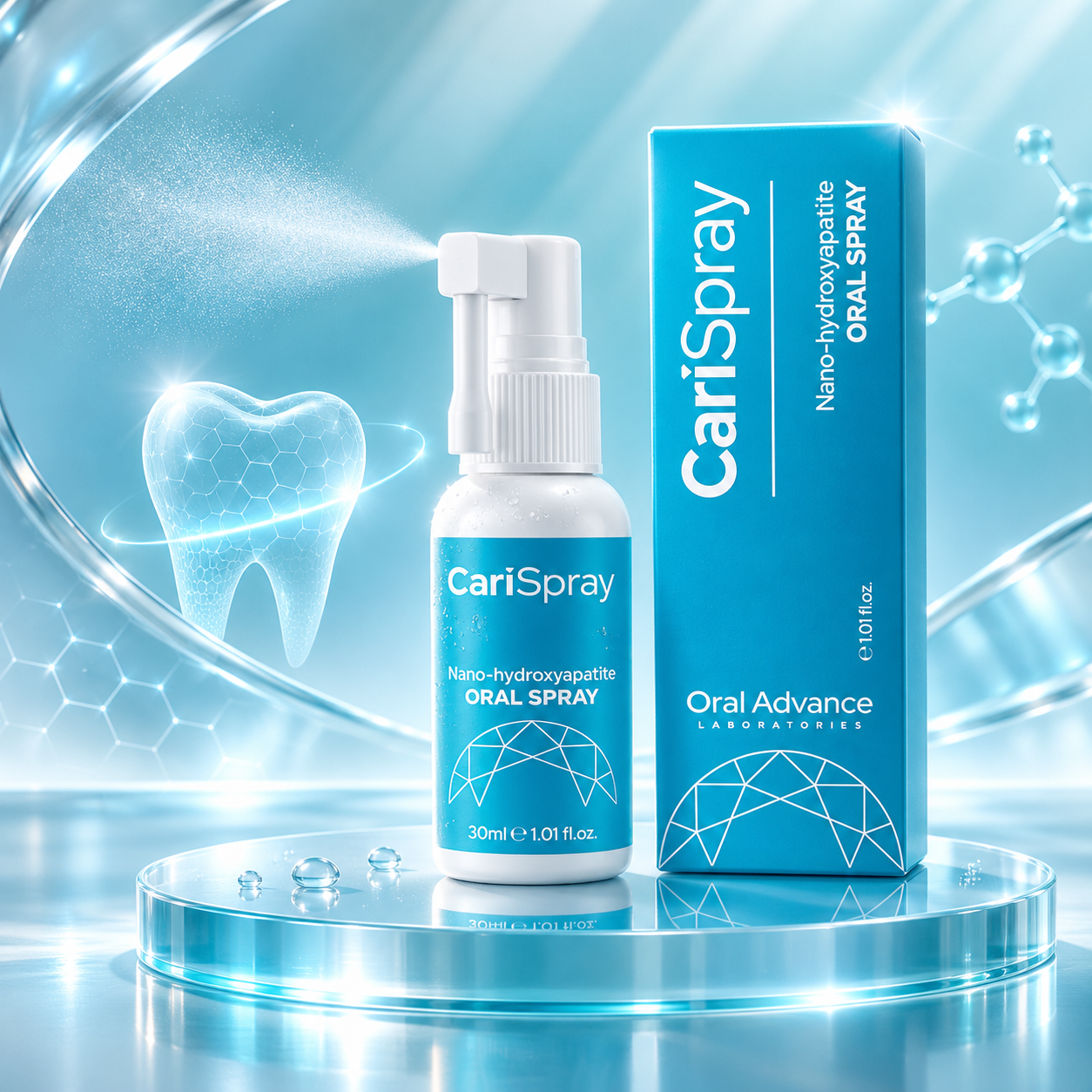
- 👉Best for Sensitivity → CariSpray (Hydroxyapatite)
- 👉 Severe dry mouth alternative solution→ Xylimelts
What Is a Mouth Spray?
A mouth spray (breath spray / mouth freshener / mouthspray) is a compact oral hygiene product designed to instantly freshen breath and target odor-causing bacteria.
Unlike mouthwash, it delivers direct, concentrated bursts of active ingredients—making it ideal for on-the-go use.
Breath sprays typically last 4–6 hours depending on formulation
Quick Comparison
| Feature | ORL Fresh Mint Breath Spray | ZDEER Electric Oral Spray | CariSpray | Listerine Pocketmist | TheraBreath Dry Mouth Spray | Aloclair Plus Spray |
|---|---|---|---|---|---|---|
| Type | Breath spray | Smart electric oral spray | Gentle oral spray | Breath spray | Therapeutic spray | Medical oral spray |
| Primary Purpose | Instant fresh breath | Deep mist oral freshness tech | Sensitive mouth comfort | Quick mint freshness | Dry mouth relief + odor control | Ulcer & lesion healing |
| Speed of Effect | Instant | Fast + sustained (4–12 hrs) (Zdeer) | Moderate | Instant | Fast + long-lasting | Fast pain relief |
| Longevity | Short | Long-lasting | Medium | Short | Long | Long (healing-focused) |
| Best For | Daily social use | Tech-driven oral hygiene | Sensitive users | Budget freshness | Dry mouth sufferers | Mouth ulcers, irritation |
| Alcohol-Free | Yes (varies by version) | Yes | Yes | Yes | Yes | Yes |
| Sensitivity Friendly | Medium | High | ⭐⭐⭐⭐⭐ (best) | Medium | High | High (medical-grade) |
| Special Feature | Strong mint burst | Nano-mist technology | Gentle formula | Ultra portable | Saliva support formula | Protective healing film |
| Price Tier | Low | Premium | Mid | Low | Mid–High | Mid–High |
Top Mouth Spray Picks (Detailed Reviews)
🥇 Best Overall — TheraBreath Fresh Breath Throat Spray
Best for: Bad Breath Control, Halitosis Management & On-the-Go Freshness
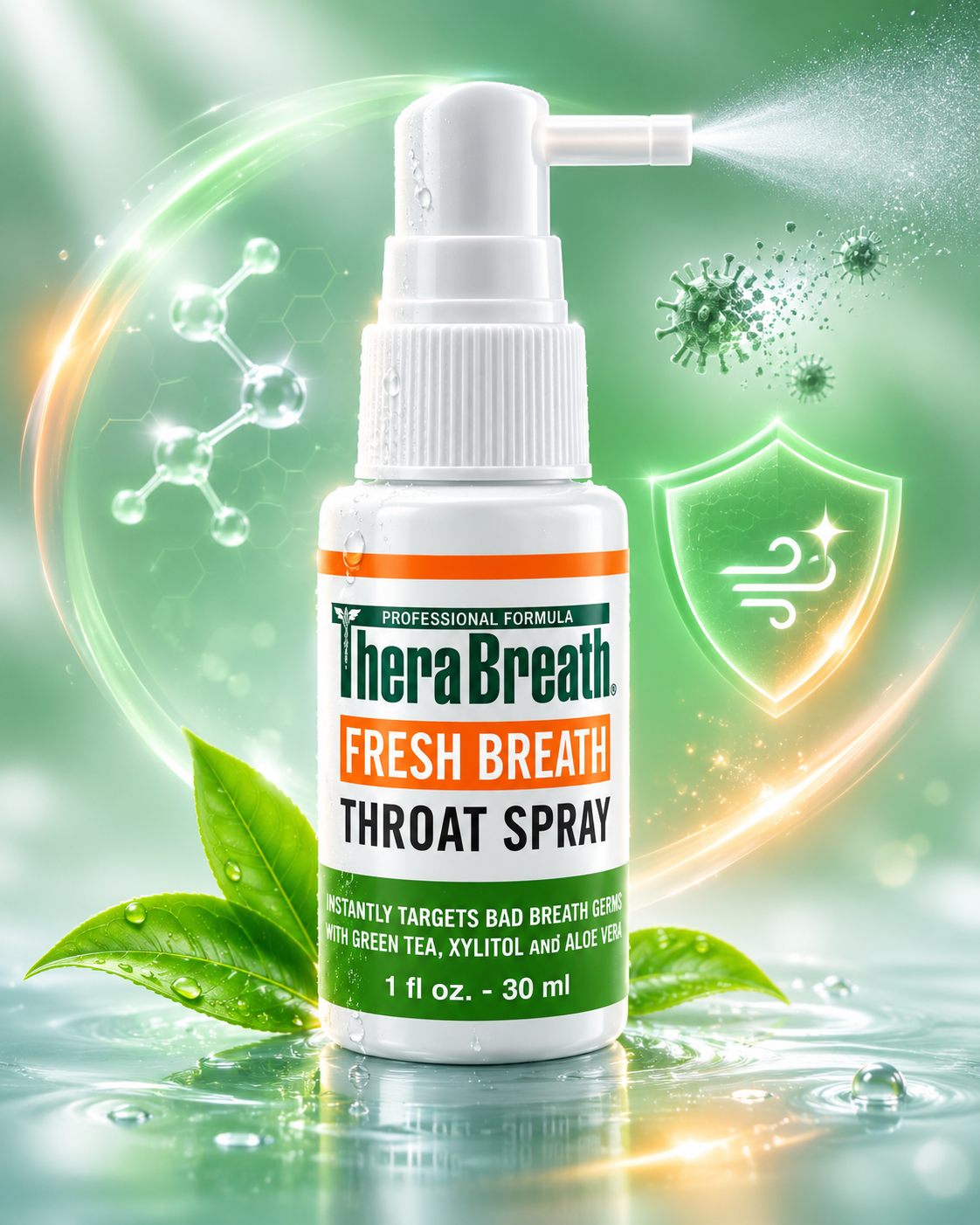
TheraBreath Fresh Breath Throat Spray stands out as a compelling option among the best breath sprays for bad breath, combining an oxygen-based odor-control approach with zinc, xylitol, aloe vera, and green tea extract. Unlike conventional mint sprays that primarily rely on strong flavoring to temporarily conceal unpleasant odors, this dentist-developed formula is designed to address compounds associated with oral malodor.
Originally developed under the TheraBreath oral care philosophy established by Dr. Harold Katz, this TheraBreath breath spray takes a more targeted approach to everyday freshness. Its compact format allows users to apply the formula toward the back of the tongue and throat, where odor-producing bacteria and accumulated debris can contribute to persistent bad breath.
For professionals, frequent travelers, and anyone seeking a portable halitosis breath spray, TheraBreath offers an ingredient-focused alternative to heavily flavored breath fresheners.
How Does TheraBreath Breath Spray Work?
The effectiveness of a breath spray for bad breath depends on more than how strongly it smells of mint. Persistent oral malodor is commonly associated with volatile sulfur compounds (VSCs), including hydrogen sulfide and methyl mercaptan, produced when oral microorganisms break down sulfur-containing substances.
TheraBreath Fresh Breath Throat Spray incorporates two particularly relevant ingredients: sodium chlorite and zinc gluconate.
Sodium chlorite is an oxygen-related oral care ingredient associated with the management of odor-producing sulfur compounds, while zinc ions can interact with sulfur-containing molecules to help reduce their volatility. Together, these ingredients provide a plausible mechanism for breath freshening beyond fragrance alone.
Importantly, evidence supporting these ingredient classes does not establish a specific duration of effectiveness for this individual spray.
The product’s targeted application is another distinguishing feature. By directing the spray toward the posterior tongue, users can reach an area frequently implicated in oral malodor rather than relying exclusively on surface-level mint freshness.
TheraBreath Breath Spray Ingredients: What Makes the Formula Different?
The original TheraBreath Fresh Breath Throat Spray formula combines odor-focused ingredients with humectants, botanical extracts, and flavoring agents.
| Key ingredient | Function | Potential oral care benefit |
|---|---|---|
| Sodium chlorite | Oxygen-related oral care agent | Helps target the chemistry associated with sulfur-based breath odors |
| Zinc gluconate | Zinc-based antimicrobial ingredient | May help neutralize sulfur-containing odor compounds |
| Xylitol | Sugar-free sweetener | Provides sweetness without fermentable sugar |
| Aloe vera leaf juice | Botanical oral care ingredient | Contributes to the formula’s oral tissue care profile |
| Green tea extract | Polyphenol-rich botanical antioxidant | Adds antioxidant compounds to the formulation |
| Glycerin | Humectant | Helps retain moisture within the liquid formulation |
| Tea tree leaf oil | Botanical ingredient | Contributes to the formula’s botanical and sensory profile |
HydroPaste Ingredient Insight: The most persuasive reason to consider TheraBreath among the best mouth sprays for bad breath is its inclusion of sodium chlorite and zinc gluconate—not simply its green tea, aloe vera, or xylitol content. These ingredients are particularly relevant to the science of sulfur-related oral malodor.
However, ingredient presence alone does not establish the concentration, clinical effectiveness, or lasting performance of the finished product.
Is TheraBreath Good for Dry Mouth and Bad Breath?
TheraBreath Fresh Breath Throat Spray may appeal to people who experience bad breath alongside occasional mouth dryness, although it should not be confused with a dedicated dry mouth relief spray or saliva substitute.
Saliva performs several essential protective functions. It helps wash away food particles, buffers acids, supports oral tissue comfort, and reduces the accumulation of materials that odor-producing microorganisms can metabolize.
When saliva becomes insufficient, unpleasant breath can become more noticeable. This is one reason dry mouth and bad breath frequently occur together.
TheraBreath’s inclusion of glycerin, sorbitol, and other liquid-formulation ingredients may offer a brief sense of oral moisture. Nevertheless, the spray has not been established as a treatment for impaired salivary gland function or chronic xerostomia.
For users whose primary concern is significant or persistent dry mouth, a purpose-designed moisturizing oral spray or saliva substitute may be more appropriate.
TheraBreath vs. Regular Breath Spray: What Is the Difference?
Not every fresh breath spray uses the same approach to managing oral malodor.
| Evaluation factor | TheraBreath Fresh Breath Throat Spray | Conventional mint-focused breath spray |
|---|---|---|
| Primary approach | Odor-focused formulation | Often fragrance-focused |
| Notable ingredients | Sodium chlorite, zinc gluconate, xylitol | Varies; often mint flavoring and sweeteners |
| Targeted application | Back of tongue and throat | Usually sprayed into the mouth |
| Alcohol | No ethanol listed in the referenced formula | Depends on product |
| Dry mouth treatment | Not established | Not generally established |
| Long-lasting breath control | Product-specific duration not established | Product-specific duration varies |
This distinction makes TheraBreath throat spray particularly interesting for consumers who prefer an ingredient-driven breath freshener over products that depend primarily on an intense mint sensation.
However, without direct comparative clinical testing, it would be premature to conclude that TheraBreath consistently outperforms every conventional breath spray.
How to Use TheraBreath Fresh Breath Throat Spray
Correct application matters because the product is intended to reach the back of the mouth rather than simply coat the front of the tongue.
- Shake the bottle before use, following its label instructions.
- Position the nozzle toward the back of the tongue and throat.
- Extend the tongue slightly to improve access.
- Apply the number of sprays specified on your product packaging. Some historical product listings describe two to three sprays per application.
- Use only as directed, keeping the product away from children as indicated on its label.
A TheraBreath oral spray is best understood as a supplementary breath-freshening product, not a replacement for brushing, interdental cleaning, tongue hygiene, or professional evaluation of persistent halitosis.
TheraBreath Breath Spray: Advantages and Limitations
Why it stands out
- Odor-focused ingredients: Contains sodium chlorite and zinc gluconate, two ingredients relevant to managing sulfur-related bad breath.
- Targeted delivery: Designed to reach the posterior tongue and throat.
- Alcohol-free formulation: The referenced ingredient disclosure does not list ethanol.
- Portable application: The compact spray format is convenient for travel, work, and social situations.
- Complementary ingredients: Includes xylitol, aloe vera, green tea extract, and glycerin.
- Dentist-developed heritage: Associated with the TheraBreath oral care range founded by Dr. Harold Katz.
Potential drawbacks
- Not a substitute for treating chronic dry mouth or underlying causes of halitosis.
- Does not replace tongue cleaning, flossing, or routine toothbrushing.
- The original spray may be harder to find than TheraBreath’s widely distributed oral rinses.
- No verified, product-specific clinical duration of breath freshness is established here.
- Users sensitive to menthol, tea tree oil, or other flavoring ingredients should review the complete label.
Who Should Choose TheraBreath Breath Spray?
Best suited for: Adults who want a convenient, portable, ingredient-focused bad breath spray to complement their existing oral hygiene routine.
TheraBreath is particularly worth considering for professionals who spend long periods speaking, commuters who want breath freshness between brushing sessions, and travelers seeking a compact alternative to carrying mouthwash.
It may also appeal to individuals who dislike the intense mint flavor or alcohol content found in some conventional breath fresheners.
Less suitable for: People seeking treatment for severe xerostomia, untreated gum disease, persistent tonsil-related odor, or chronic bad breath that has not been evaluated by a dental professional.
Final recommendation: A strong ingredient-based choice for occasional bad breath and portable oral freshness, particularly when available from a reputable retailer with clearly identifiable packaging and ingredients.
🥈 Best Long-Lasting Freshness — CloSYS Hydrating Oral Spray
Best for: Long-Lasting Breath Freshness, Gentle Odor Control & Occasional Dry Mouth
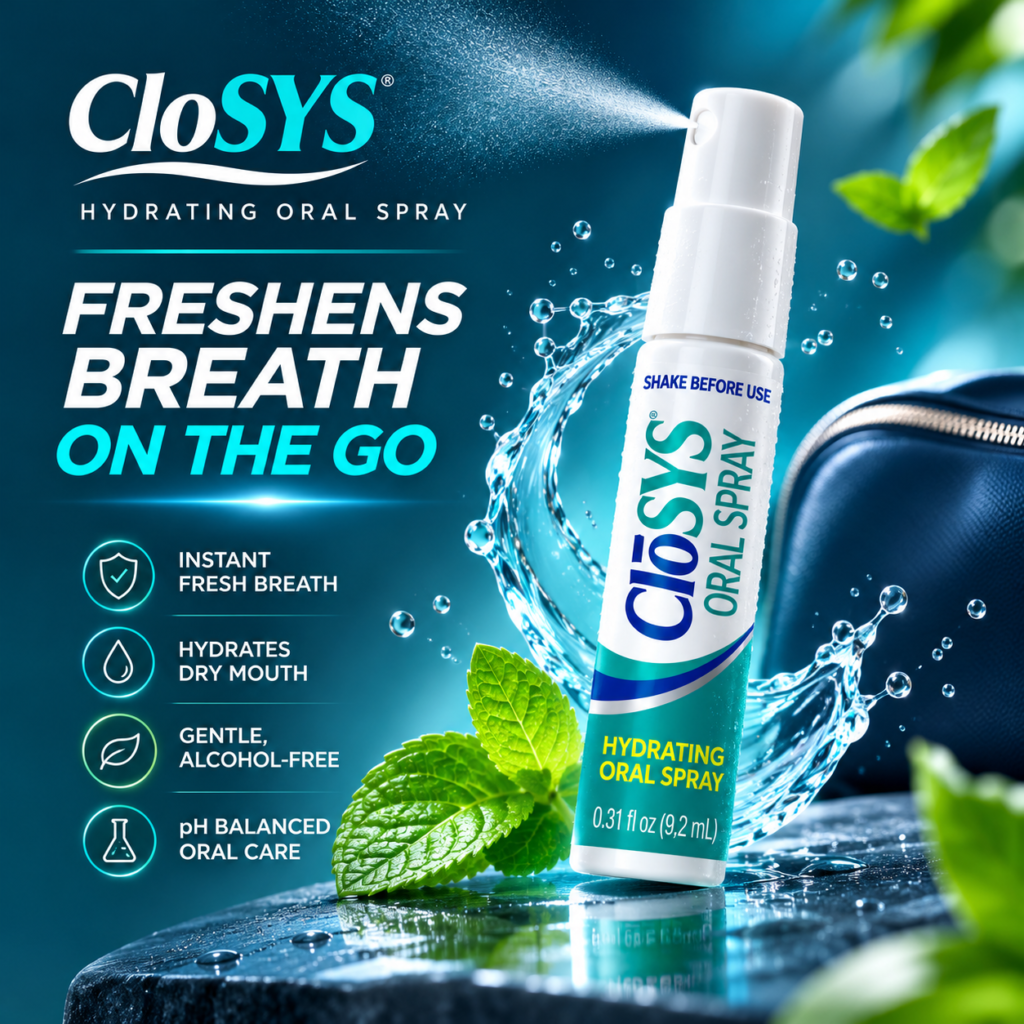
CloSYS Hydrating Oral Spray distinguishes itself among the best breath sprays for bad breath through its patented, pH-balanced formulation featuring stabilized chlorine dioxide, an oxygen-related oral care ingredient associated with reducing odor-causing sulfur compounds.
Rather than relying exclusively on intense mint flavors to disguise unpleasant breath, CloSYS Breath Spray is formulated to address oral malodor while delivering a refreshing, water-based mist. Its alcohol-free, sugar-free composition makes it particularly appealing to individuals seeking a gentler alternative to conventional breath fresheners.
What makes this CloSYS oral spray especially interesting is the relationship between its ingredient chemistry and the biology of halitosis. Many cases of persistent oral bad breath involve volatile sulfur compounds generated by bacteria, particularly on the tongue. Stabilized chlorine dioxide provides an ingredient-based approach to managing these compounds rather than simply overwhelming their odor with fragrance.
The manufacturer also positions CloSYS Hydrating Oral Spray as a convenient solution for mouth hydration, making it a practical choice for professionals, travelers, and people who experience occasional oral dryness throughout the day.
For consumers researching the best long-lasting breath spray, CloSYS offers a distinctive combination of gentle formulation, targeted odor control, and portable convenience—although the exact duration of effectiveness for this spray has not been established through independent product-specific clinical testing.

- VALUE PACK: Contains 3 – 0.31 ounce CloSYS bad breath sprays, providing ample supply for long-lasting freshness
- CONVENIENT FRESHNESS: Perfect for on-the-go instant fresh breath spray touch-ups, this mint spray helps ensure you alway…
- PORTABLE DESIGN: CloSYS mouth spray fresh breath easily fits in a purse, pocket, or backpack with your travel size toile…
How Does CloSYS Breath Spray Work?
The central technology behind CloSYS Breath Spray is stabilized chlorine dioxide, an ingredient used in oral care formulations to help manage the compounds responsible for unpleasant breath.
To understand its role, consider the underlying chemistry of halitosis.
Oral bacteria break down proteins and other sulfur-containing substances found in food debris, saliva, and shed epithelial cells. This process can generate volatile sulfur compounds (VSCs), which are major contributors to recognizable oral malodor.
Two particularly important VSCs are:
- Hydrogen sulfide (H₂S): Associated with unpleasant, rotten-egg-like odors.
- Methyl mercaptan (CH₃SH): A highly odor-active sulfur compound associated with persistent oral malodor and periodontal conditions.
These compounds may accumulate around the posterior tongue, within periodontal pockets, and in areas where oral debris and bacteria remain undisturbed.
CloSYS incorporates stabilized chlorine dioxide into a water-based system designed to interact with the oral environment.
Its odor-control approach involves two related mechanisms:
- Chemical oxidation: Chlorine dioxide can react with sulfur-containing compounds, potentially reducing their contribution to unpleasant breath.
- Antimicrobial activity: Chlorine dioxide-based formulations can exhibit activity against microorganisms associated with oral malodor, although effectiveness depends on concentration, exposure time, and the complete formulation.
This distinguishes a chlorine dioxide breath spray from a conventional mint spray that may primarily provide temporary sensory freshness.
However, chemical activity observed in laboratory investigations or mouthwash trials does not automatically establish the same level of clinical performance for the smaller volume delivered by an oral spray.
CloSYS Breath Spray Ingredients: A Closer Look at the Formula
Unlike heavily fragranced breath fresheners, CloSYS Hydrating Oral Spray uses a relatively streamlined ingredient system built around stabilized chlorine dioxide, water, and supporting formulation ingredients.
| Key ingredient | Primary function | Oral care relevance |
|---|---|---|
| Stabilized chlorine dioxide | Odor-control ingredient | Associated with oxidation of sulfur-based breath odor compounds |
| Water | Liquid formulation base | Provides immediate wetting of oral surfaces |
| Polysorbate 20 | Solubilizing agent | Helps disperse flavoring ingredients within the spray |
| Trisodium phosphate | pH-adjusting ingredient | Supports the formula’s buffered, pH-balanced properties |
| Citric acid | pH-adjusting ingredient | Helps regulate formulation acidity in combination with buffering ingredients |
| Mint flavor | Flavoring ingredient | Provides a refreshing sensory experience |
| Sucralose | Non-sugar sweetener | Improves taste without adding fermentable sugar |
HydroPaste Ingredient Insight: Stabilized chlorine dioxide is the defining functional ingredient in CloSYS Breath Spray. Its relevance extends beyond mint-based freshness because of the established relationship between sulfur-containing compounds and oral malodor.
The supporting pH-adjusting ingredients are also noteworthy. They help maintain the intended chemistry of the formulation rather than functioning as independent treatments for enamel erosion or tooth decay.
The current manufacturer’s published formula does not list fluoride, hydroxyapatite, xylitol, or glycerin. Therefore, CloSYS Oral Spray should not be presented as a remineralizing treatment or a specialized saliva-replacement formula.
Is CloSYS Breath Spray Really Long-Lasting?
CloSYS Hydrating Oral Spray is marketed for long-lasting freshness, but the scientific distinction between an ingredient’s effectiveness and a finished product’s duration of action matters.
Research involving chlorine dioxide-containing mouthwashes has demonstrated measurable reductions in oral malodor and volatile sulfur compounds. Some controlled investigations have observed improvements over several hours following rinsing.
This provides a reasonable scientific basis for considering chlorine dioxide-based products when evaluating longer-lasting breath-freshening strategies.
However, those findings cannot be directly converted into a guaranteed number of hours for CloSYS Breath Spray.
A mouthwash typically exposes a larger portion of the oral cavity to a greater volume of liquid for a sustained rinsing period. A breath spray delivers a smaller quantity through a localized application.
Actual breath-freshening duration may also depend on:
- Oral bacterial activity: Continued bacterial metabolism can generate new odor compounds.
- Salivary flow: Saliva influences oral cleansing, buffering, and the movement of dissolved substances.
- Tongue coating: Accumulated debris on the tongue may continue contributing to malodor.
- Dietary exposure: Coffee, garlic, onions, and other foods can influence breath odor.
- Underlying oral health: Gum disease, tooth decay, and persistent dryness may undermine temporary breath-freshening effects.
For these reasons, CloSYS is best described as a long-lasting freshness-focused breath spray, rather than a clinically proven all-day solution.
Its principal advantage lies in the formulation’s odor-control rationale, not an independently verified duration claim.
Is CloSYS Hydrating Oral Spray Good for Dry Mouth?
CloSYS Hydrating Oral Spray may provide temporary relief from the sensation of oral dryness by introducing moisture through its water-based spray.
This can be useful because dry mouth and bad breath frequently occur together.
Under normal conditions, saliva performs several protective functions, including washing away debris, buffering acids, lubricating oral tissues, and supporting the natural balance of the oral environment.
When salivary flow decreases, odor-producing substances may accumulate more readily, while the tongue and oral mucosa can feel sticky or uncomfortable.
Because CloSYS Hydrating Oral Spray is alcohol-free and water-based, it offers an appealing option for users who want a gentle breath-freshening product without ethanol.
Nevertheless, its hydrating properties should be distinguished from clinically established treatment of xerostomia.
| Oral concern | Potential role of CloSYS Breath Spray |
|---|---|
| Occasional dry mouth | May temporarily moisten oral surfaces |
| Bad breath accompanying dryness | Offers odor-focused ingredients alongside a water-based spray |
| Dryness after prolonged speaking | Convenient for a brief refreshing application |
| Chronic xerostomia | Not established as a treatment for salivary gland dysfunction |
| Medication-induced dry mouth | May supplement comfort measures but does not address the underlying cause |
| Enamel demineralization associated with dry mouth | Not a remineralization treatment |
For persistent oral dryness, dedicated saliva substitutes and dental evaluation may be more appropriate, particularly when reduced saliva increases susceptibility to cavities, oral infections, or enamel damage.
Why CloSYS Uses a pH-Balanced, Alcohol-Free Formula
The pH-balanced CloSYS Breath Spray formulation is one of its most appealing features for consumers who prefer gentler oral care.
Oral pH plays an important role in the balance between enamel mineral loss and mineral recovery. Frequent exposure to acidic conditions can increase the risk of dental erosion and demineralization, particularly when saliva is insufficient to restore a favorable environment.
CloSYS describes its oral spray as pH-balanced and designed to support a non-acidic oral environment.
Although this is a desirable formulation characteristic, it should not be interpreted as proof that the spray actively remineralizes enamel or neutralizes all dietary acids.
The absence of ethanol is another relevant distinction.
Some alcohol-containing oral care products can create burning or stinging sensations, especially in individuals with sensitive oral tissues. CloSYS avoids ethanol, offering a non-burning formulation intended for comfortable application.
The combination of pH-balanced chemistry, alcohol-free formulation, and stabilized chlorine dioxide makes CloSYS particularly relevant to consumers seeking gentle breath freshening without sacrificing an ingredient-based odor-control approach.
CloSYS Breath Spray vs. Regular Breath Spray
When comparing the best mouth sprays for bad breath, it helps to examine how each formulation approaches oral malodor rather than judging products solely by mint intensity.
| Evaluation factor | CloSYS Hydrating Oral Spray | Conventional mint-focused breath spray |
|---|---|---|
| Main functional approach | Stabilized chlorine dioxide-based odor control | Often flavor-based breath masking |
| Alcohol content | Alcohol-free | Varies by formulation |
| Sugar content | Sugar-free | Varies by formulation |
| pH profile | Manufacturer describes it as pH-balanced | Product-dependent |
| Hydration | Water-based temporary oral moistening | Product-dependent |
| Antimicrobial mechanism | Chlorine dioxide-based formulation | Depends on active ingredients |
| Long-lasting effectiveness | Marketed for lasting freshness; precise spray duration unverified | Duration varies |
| Portability | Compact, non-aerosol pump | Usually portable |
CloSYS’s strongest differentiator is its emphasis on managing sulfur-related oral malodor through functional chemistry rather than simply creating a stronger mint sensation.
However, other breath sprays may also contain evidence-supported ingredients such as zinc compounds or cetylpyridinium chloride. CloSYS should therefore not be assumed superior to every competing formulation without direct comparative testing.
How to Use CloSYS Hydrating Oral Spray
CloSYS Breath Spray is intended for convenient application throughout everyday activities when brushing, flossing, or using mouthwash is impractical.
Manufacturer-recommended directions:
- Shake the bottle well before application.
- Spray once or twice into the mouth, following the instructions on the packaging.
- Allow the spray to distribute naturally across oral surfaces.
- Use as directed when additional breath freshening is desired.
The compact, non-aerosol pump is particularly convenient for commuting, traveling, working, and social occasions.
For optimal long-term oral health, use CloSYS Breath Spray as a supplement to routine oral hygiene rather than a replacement for it.
Brushing twice daily with fluoride toothpaste, cleaning between teeth, and gently cleaning the tongue remain more comprehensive strategies for managing the underlying conditions that contribute to oral malodor.
CloSYS Breath Spray: Advantages and Limitations
Why it stands out
- Stabilized chlorine dioxide technology: Offers a functional ingredient approach to managing sulfur-related breath odors.
- Long-lasting freshness focus: Designed for sustained breath freshness rather than relying entirely on intense mint masking.
- pH-balanced formulation: Developed to maintain a gentle, non-acidic formulation environment.
- Alcohol-free and sugar-free: Avoids ethanol-associated burning sensations and fermentable sugar.
- Water-based hydration: Provides temporary oral moistening alongside breath freshening.
- Sensitive-mouth appeal: Suitable for consumers looking for a non-burning breath spray, subject to individual ingredient tolerance.
- Portable delivery: A convenient non-aerosol pump for quick applications outside the home.
Potential drawbacks
- No independently verified, spray-specific number of hours of freshness.
- Does not treat underlying causes of chronic halitosis, such as periodontal disease or untreated dental infections.
- Not an established treatment for severe dry mouth or salivary gland dysfunction.
- Does not contain fluoride or hydroxyapatite for enamel remineralization.
- Mint flavor may not suit users with particular flavoring sensitivities.
- A small-volume spray cannot replace the cleaning coverage provided by brushing, flossing, and tongue hygiene.
Who Should Choose CloSYS Breath Spray?
Best suited for: Adults seeking a gentle, alcohol-free breath spray for bad breath that combines a clinically relevant ingredient class with convenient on-the-go hydration.
CloSYS may be particularly attractive to people who experience occasional unpleasant breath after meals, prolonged conversations, or periods without convenient access to regular oral care.
It is also worth considering for individuals who dislike the burning sensation associated with certain alcohol-containing mouthwashes and strongly flavored breath fresheners.
For people evaluating a CloSYS breath spray for chronic bad breath, the distinction between temporary odor management and treatment of the underlying cause is essential.
Persistent halitosis may involve tongue coating, periodontal disease, untreated cavities, reduced salivary flow, or certain medical conditions. A spray can provide supplementary freshness, but it cannot be expected to resolve all these factors.
Less suitable for: Individuals seeking a clinically established cure for persistent halitosis, treatment for gum disease, long-term salivary replacement, or remineralization of weakened tooth enamel.
Final recommendation: An appealing choice for adults seeking a gentle, pH-balanced, alcohol-free breath spray with an ingredient-focused approach to odor management. Particularly worth considering for occasional bad breath, portable freshness, and temporary oral moistening.
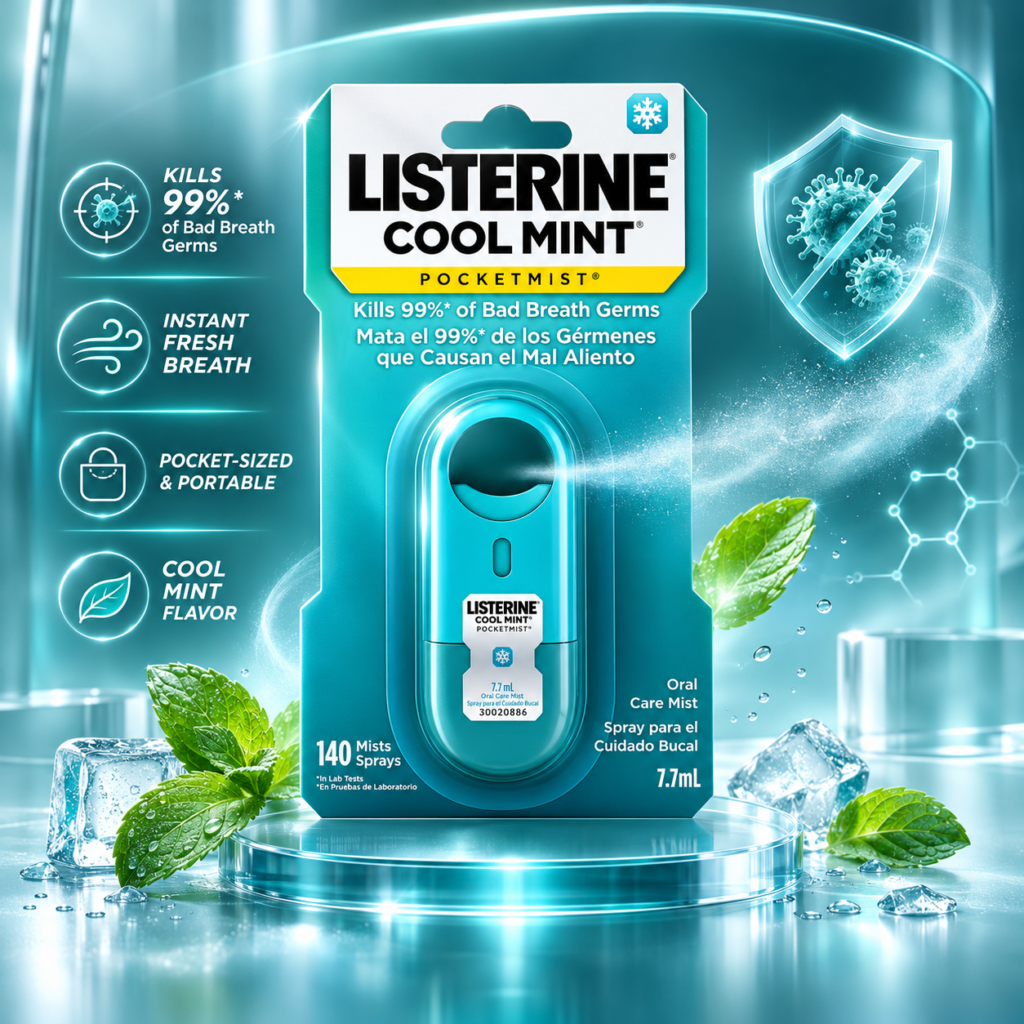
🥉 Best Budget Pick — Listerine Mouth Spray (Pocketmist)
Best for: Instant Fresh Breath, Everyday Portability & Affordable Bad Breath Control
Listerine Pocketmist Cool Mint Spray brings the familiar intensity of Listerine’s mint-forward oral care experience into an exceptionally compact breath-freshening format. Designed for immediate freshness between brushing sessions, this portable oral mist combines menthol, eucalyptol, thymol, and a sugar-free formulation to deliver a refreshing burst when convenient oral hygiene is out of reach.
Unlike larger mouthwash bottles or specialized breath-freshening treatments, Listerine Pocketmist prioritizes three practical advantages: speed, portability, and everyday affordability.
Its distinctive non-aerosol spray mechanism delivers a fine mist directly into the mouth, making it particularly useful before meetings, presentations, conversations, dates, or other situations where confidence in breath freshness matters.
But Listerine Pocketmist is not simply a mint-flavored fragrance spray.
According to Listerine, its Cool Mint oral mist kills 99% of germs associated with bad breath under laboratory testing conditions. This provides a more substantive antimicrobial rationale than products that rely exclusively on flavoring, although laboratory results do not establish an equivalent reduction in oral bacteria during everyday use.
For consumers searching for the best budget breath spray, Listerine Pocketmist offers an appealing balance of recognizable ingredients, convenient application, and a generous number of sprays per bottle.
Its principal limitation is that the alcohol-containing formula and intense mint sensation may be less comfortable for individuals with particularly sensitive mouths or persistent oral dryness.

- Instant fresh breath: 2, 7.7 mL mouth sprays of Listerine Pocketmist Cool Mint Oral Care Mist kill 99% of germs that cau…
- Portable design: This compact oral breath spray is the perfect travel size toiletry that fits easily into your pocket, p…
- Sugar-Free formula: Enjoy a cleaner* mouth without added sugar. This non-aerosol, sugar-free oral mist offers an easy, m…
How Does Listerine Pocketmist Breath Spray Work?
The effectiveness of Listerine Pocketmist Cool Mint Spray involves two complementary processes: immediate sensory freshness and ingredient-based antimicrobial activity.
The most noticeable effect comes from menthol, a mint-derived compound that activates cold-sensitive TRPM8 receptors involved in the perception of cooling.
When the mist contacts oral tissues, menthol produces a rapid cooling sensation that makes the mouth feel refreshed—even though this sensation does not necessarily indicate a measurable reduction in breath odor.
Beyond this immediate sensory effect, Listerine Pocketmist contains essential oil constituents associated with antimicrobial activity.
These include:
- Menthol: Provides the characteristic cooling sensation and contributes to the formula’s antimicrobial profile.
- Eucalyptol: A eucalyptus-derived compound investigated for its antimicrobial properties in oral care formulations.
- Thymol: A phenolic compound found in thyme oil, with established antimicrobial activity under appropriate experimental conditions.
Together, these ingredients help explain why Listerine positions Pocketmist as an oral care mist rather than a conventional mint-flavored cosmetic spray.
However, it is important to distinguish the formulation’s antimicrobial potential from the clinical evidence supporting full-strength antiseptic mouthwashes.
The amount of liquid delivered by a breath spray is considerably smaller than the volume used during a traditional mouthwash rinse. Consequently, findings from studies of Listerine antiseptic mouthwash should not automatically be attributed to Pocketmist.
HydroPaste Scientific Perspective: Listerine Pocketmist combines sensory freshness with ingredients relevant to bacterial control, but its most reliable practical advantage remains rapid, convenient breath freshening rather than comprehensive management of chronic halitosis.
Listerine Pocketmist Ingredients: What Is Inside the Cool Mint Formula?
The Listerine Cool Mint Pocketmist formula combines essential oil constituents, alcohol, water, humectants, and non-sugar sweeteners.
Understanding these ingredients helps explain why the spray feels different from alcohol-free alternatives such as CloSYS or TheraBreath.
| Ingredient | Primary function | Oral care relevance |
|---|---|---|
| Menthol | Cooling agent and essential oil constituent | Produces rapid mint freshness and contributes to antimicrobial activity |
| Eucalyptol | Essential oil constituent | Associated with antimicrobial properties in oral care |
| Thymol | Essential oil constituent | Contributes to the formulation’s antimicrobial profile |
| Alcohol | Solvent and formulation component | Helps dissolve certain ingredients; may cause stinging in sensitive mouths |
| Glycerin | Humectant | Helps retain moisture in the liquid formulation |
| Poloxamer 407 | Solubilizing agent | Supports the dispersion of ingredients |
| Sucralose | Non-sugar sweetener | Improves taste without adding fermentable sugar |
| Potassium acesulfame | Non-sugar sweetener | Contributes sweetness without conventional sugar |
| Water | Liquid carrier | Enables convenient oral mist application |
The formula also contains flavoring ingredients that contribute to its characteristic Cool Mint experience.
HydroPaste Ingredient Insight: One of Pocketmist’s most relevant advantages is its combination of menthol, eucalyptol, and thymol. These ingredients give the spray a recognizable antimicrobial formulation rationale while delivering immediate sensory freshness.
Nevertheless, the precise concentrations of the essential oil constituents in Pocketmist are not disclosed in the standard ingredient list. Therefore, they should not be assumed equivalent to the concentrations in Listerine’s full-strength therapeutic mouthwashes.
The product also does not list fluoride or hydroxyapatite, meaning it should not be treated as a dedicated enamel remineralization product.
Does Listerine Pocketmist Actually Kill Bad Breath Germs?
Listerine Pocketmist is marketed as killing 99% of germs that cause bad breath, based on laboratory testing.
This is an important distinction because oral malodor is not solely a matter of unpleasant taste or insufficient mint flavor.
Many cases of oral halitosis involve bacteria that metabolize proteins and sulfur-containing compounds, producing volatile sulfur compounds (VSCs).
These substances include hydrogen sulfide and methyl mercaptan, which contribute to recognizable unpleasant breath odors.
Antimicrobial ingredients can potentially reduce the activity of susceptible microorganisms, while mint flavoring provides an immediate perception of freshness.
However, several factors influence whether laboratory antimicrobial findings translate into noticeable real-world breath improvement:
- Contact time: A small mist may remain in contact with oral surfaces for less time than a mouthwash rinse.
- Bacterial location: Odor-producing microorganisms can accumulate within tongue coatings, dental plaque, and periodontal pockets that a mist may not thoroughly reach.
- Saliva and dilution: Saliva can distribute and dilute the sprayed formulation.
- Underlying causes: Gum disease, cavities, persistent dry mouth, and other conditions may continue contributing to malodor.
Therefore, the manufacturer’s laboratory claim is relevant, but it should not be interpreted as proof that Pocketmist eliminates 99% of all oral bacteria or permanently cures bad breath.
For occasional unpleasant breath, however, the combination of an antimicrobial-oriented formula and strong mint sensation makes it a practical option.
Why Listerine Pocketmist Is a Strong Budget Breath Spray
The primary appeal of Listerine Pocketmist Cool Mint Spray is not simply that it can be inexpensive to purchase. Its design also provides numerous convenient applications in a compact format.
Listerine states that each standard 7.7 mL bottle delivers approximately 140 mists.
At the manufacturer’s recommended two to three mists per use, this translates into an estimated 46–70 full applications.
| Value metric | Listerine Pocketmist Cool Mint |
|---|---|
| Bottle size | 7.7 mL |
| Approximate mists per bottle | 140 |
| Recommended mists per application | 2–3 |
| Estimated applications per bottle | 46–70 |
| Formula | Sugar-free |
| Delivery system | Non-aerosol pump |
| Travel convenience | Pocket-sized and keychain-friendly |
| Available formats | Single bottles and multipacks, depending on retailer |
Application estimates are calculated from the manufacturer’s approximate mist count. Actual yield may vary with pump operation and usage.
This makes Pocketmist particularly interesting when evaluating breath spray value per application rather than focusing exclusively on the retail price of an individual bottle.
For example, a consumer using two mists per application could theoretically obtain around 70 breath-freshening sessions from a single bottle.
Multipacks may offer additional savings, although the best value depends on the retailer, shipping costs, and current promotions.
For budget-conscious buyers, comparing the cost per 100 mists—or per two-mist application—provides a more useful measure than simply comparing bottle prices.
Is Listerine Pocketmist Good for Long-Lasting Fresh Breath?
Listerine Pocketmist Cool Mint is designed primarily for rapid breath freshening rather than an independently established, all-day odor-control effect.
The product’s pronounced menthol sensation can create an immediate feeling of cleanliness, but perceived mint freshness is not identical to objectively measured breath improvement.
Once the mint sensation diminishes, underlying sources of oral malodor may continue producing unpleasant odors.
The persistence of freshness can vary depending on:
- Salivary flow: Adequate saliva helps maintain oral cleansing and reduces the accumulation of odor-producing debris.
- Tongue coating: Bacteria and organic material on the posterior tongue can continue producing sulfur compounds.
- Recent meals: Garlic, onions, coffee, and strongly flavored foods can influence breath odor.
- Oral hygiene: Residual food particles and plaque contribute to bacterial activity.
- Underlying dental conditions: Untreated gum disease or tooth decay may cause persistent malodor despite temporary freshness.
For users whose priority is a quick breath freshener before social interactions, Pocketmist is particularly well positioned.
For those seeking extended breath control, comparing formulations containing zinc compounds or stabilized chlorine dioxide may be worthwhile, although direct product-specific studies are needed to establish comparative effectiveness.
Listerine Pocketmist vs. Conventional Breath Sprays
While many products promise convenient freshness, their ingredients, sensory intensity, and intended purposes can differ significantly.
| Evaluation factor | Listerine Pocketmist Cool Mint | Typical mild breath spray |
|---|---|---|
| Main appeal | Rapid, intense mint freshness | Often gentler sensory freshness |
| Notable ingredients | Menthol, eucalyptol, thymol | Varies by brand |
| Alcohol-free | No | Product-dependent |
| Sugar-free | Yes | Product-dependent |
| Antimicrobial positioning | Manufacturer reports 99% reduction of bad breath germs in laboratory testing | Depends on formula and evidence |
| Number of applications | Approximately 46–70 per bottle | Varies |
| Portability | Very compact | Usually portable |
| Suitability for sensitive mouths | Intense mint and alcohol may be uncomfortable | Depends on ingredients |
Unlike breath sprays specifically promoted for dry mouth hydration, Listerine Pocketmist emphasizes immediate freshness and easy access.
Its strength is convenience rather than specialized treatment.
Is Listerine Pocketmist Safe for Dry Mouth?
Although Listerine Pocketmist Breath Spray contains glycerin, a humectant commonly used in oral care products, it is not specifically formulated or clinically established as a dry mouth treatment.
The presence of alcohol is particularly relevant for individuals experiencing oral sensitivity.
Alcohol-containing oral products can produce stinging or irritation in some users, although the extent of discomfort depends on the formulation and individual response.
This does not mean that every alcohol-containing breath spray necessarily worsens salivary gland function or causes lasting dryness.
However, people with persistent xerostomia, oral ulcers, inflamed tissues, or sensitivity to intense mint products may prefer an alcohol-free alternative.
For occasional bad breath: Pocketmist is a reasonable convenience-focused option.
For chronic dry mouth: A dedicated alcohol-free moisturizing oral spray or saliva substitute may be more appropriate.
For persistent halitosis: Dental evaluation is important to identify and manage contributing conditions.
How to Use Listerine Pocketmist Cool Mint Spray
The Listerine Pocketmist oral care mist uses a small, retractable trigger mechanism that protects the spray opening during storage.
According to the manufacturer’s instructions:
- Activate the spray: Press the trigger downward until the white mist opening becomes visible.
- Prime the pump: Continue pressing the trigger until the first mist is released. Initial use may require priming.
- Apply two or three mists: Spray directly into the mouth for fresh breath.
- Use as needed: Follow the product label when additional freshness is desired.
Because the formula contains alcohol, it is important to follow the manufacturer’s safety precautions.
Keep the bottle away from heat, flames, and ignition sources. Avoid contact with the eyes, store it at room temperature, and keep it out of reach of children.
The product is intended for convenient breath freshening, not as a substitute for regular brushing, flossing, tongue cleaning, or professional dental care.
Listerine Pocketmist: Advantages and Limitations
Why it stands out
- Immediate mint freshness: Menthol delivers a pronounced cooling sensation suitable for quick breath refreshing.
- Ingredient-based antimicrobial approach: Contains menthol, eucalyptol, and thymol.
- Laboratory-tested germ reduction: Listerine reports killing 99% of germs associated with bad breath under laboratory conditions.
- Excellent portability: The compact non-aerosol bottle fits easily into pockets, bags, and travel accessories.
- Budget-friendly value potential: Approximately 140 mists per bottle can provide dozens of applications.
- Sugar-free formula: Uses non-sugar sweeteners rather than conventional fermentable sugar.
- Convenient availability: Offered through multiple established retail channels and in multipack formats.
Potential drawbacks
- Contains alcohol, which may cause discomfort for sensitive users.
- Intense mint sensation may be overwhelming for people preferring milder oral care products.
- Not specifically intended to relieve chronic dry mouth.
- Does not treat the underlying causes of persistent halitosis.
- Contains no fluoride or hydroxyapatite for enamel remineralization.
- No independently established duration of freshness for each application.
- Laboratory germ-reduction claims do not establish equivalent clinical results in the mouth.
Who Should Choose Listerine Pocketmist Cool Mint Spray?
Best suited for: Adults seeking an affordable, compact breath spray for instant freshness during everyday activities.
Listerine Pocketmist is especially practical for people who want quick mint freshness before meetings, presentations, dates, interviews, or social gatherings.
It may also appeal to commuters, students, frequent travelers, and individuals who prefer carrying a small oral mist instead of a full-size mouthwash bottle.
Its combination of strong mint flavor, straightforward application, and multiple uses per bottle makes it a convenient addition to an everyday oral care kit.
Less suitable for: Individuals with significant oral sensitivity, persistent dry mouth, intolerance to alcohol-containing oral care products, or chronic bad breath requiring diagnosis and treatment.
Final recommendation: An excellent budget-conscious option for portable, instant mint freshness—especially before conversations, meetings, travel, and social occasions. Choose an alcohol-free alternative if oral sensitivity or persistent dryness is a primary concern.
🌿 ORL Fresh Mint Breath Spray (Everyday Freshness)
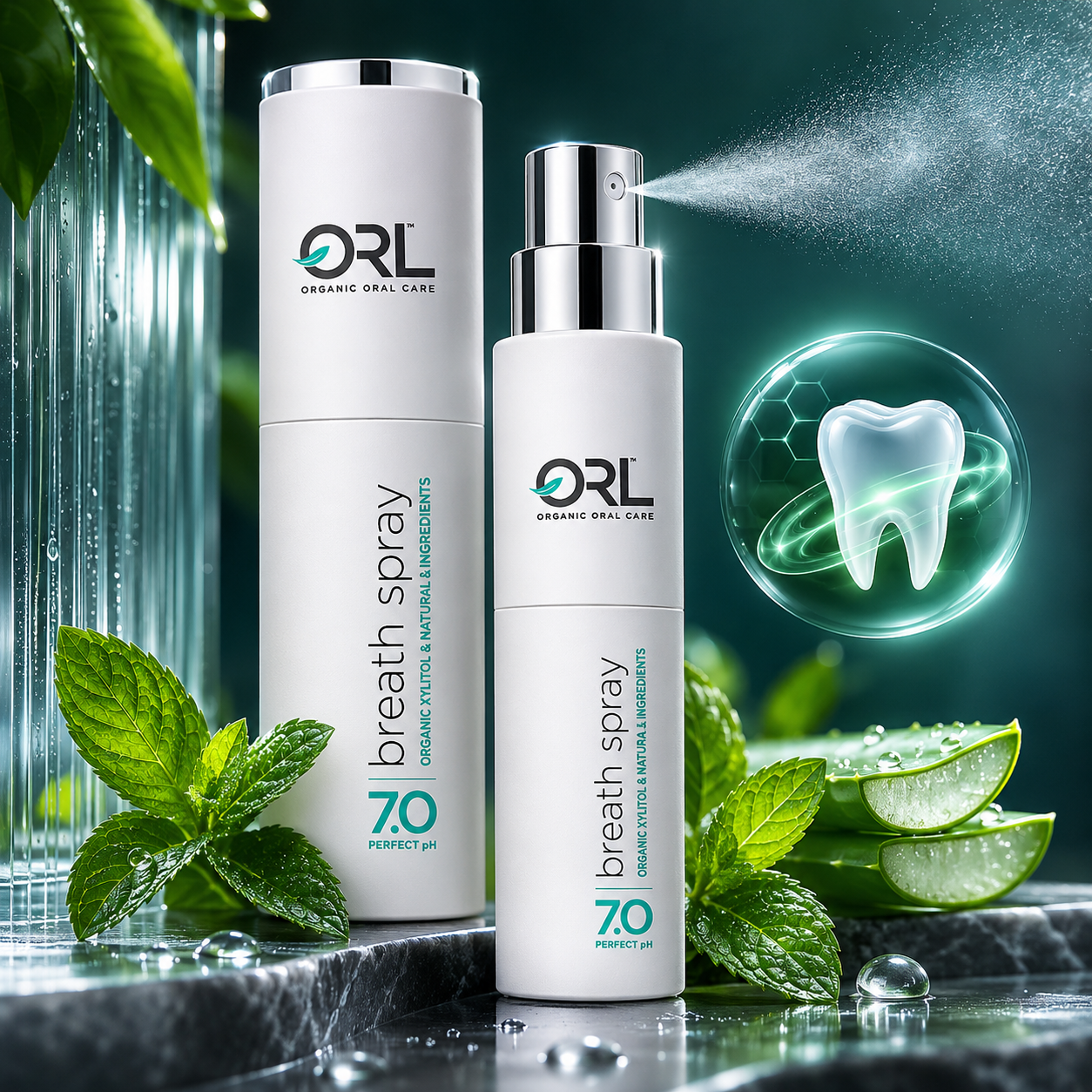
🌿 Best for Everyday Freshness — ORL Fresh Mint Breath Spray
Best for: Everyday Fresh Breath, pH-Balanced Oral Care & Natural Mint Freshness
ORL Fresh Mint Breath Spray offers a distinctly ingredient-conscious approach to everyday breath freshening, combining organic xylitol, plant-derived essential oils, and a pH-balanced formula designed for convenient oral care throughout the day.
Unlike conventional mint breath sprays that primarily emphasize intense flavor or cooling sensations, ORL positions its formula around three interconnected aspects of oral health: breath freshness, oral pH balance, and exposure to ingredients associated with a healthier oral environment.
At the center of the formulation is organic xylitol, a non-fermentable sugar alcohol extensively investigated for its potential influence on cavity-associated oral bacteria. ORL combines this ingredient with sodium bicarbonate, peppermint, spearmint, wintergreen, and a proprietary blend of botanical oils to create a refreshing, alcohol-free oral mist.
The spray’s advertised neutral pH of 7.0 provides another distinguishing feature. Although a neutral formulation does not automatically correct the mouth’s overall acidity, it reflects ORL’s emphasis on avoiding an unnecessarily acidic breath-freshening product.
Presented in a compact 10 mL container with a twist-top applicator, ORL Breath Spray is designed for quick use after meals, during office hours, before conversations, or whenever brushing is inconvenient.
For consumers comparing the best natural breath sprays, ORL offers an appealing combination of sugar-free sweetness, botanical mint flavor, and formulation transparency.
Its principal limitation is the absence of identified independent clinical trials establishing how effectively or for how long this specific spray reduces measurable oral malodor.
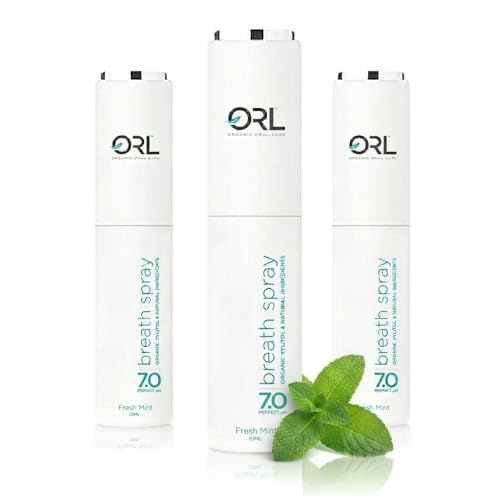
- This breath spray is specifically designed to naturally eliminate bad breath, thanks to its unique combination of organi…
- Sometimes, it’s just as important to consider what’s not included as it is to focus on what is present. With ORL Fresh M…
- The only breath spray focusing on a harmonious 7.0 pH balance to help maintain, protect and restore your mouth’s ecosyst…
How Does ORL Fresh Mint Breath Spray Work?
The approach behind ORL Fresh Mint Breath Spray combines immediate aromatic freshness with ingredients that have potential relevance to the oral microbial environment.
Bad breath, clinically called halitosis, frequently originates from the breakdown of proteins and other organic materials by microorganisms living in the mouth.
These bacteria can produce volatile sulfur compounds (VSCs), particularly hydrogen sulfide and methyl mercaptan, which contribute to unpleasant breath odors.
The posterior tongue is an especially important area because its textured surface can retain bacteria, food debris, and shed epithelial cells.
ORL approaches everyday breath freshness through three complementary mechanisms:
1. Immediate botanical mint freshness
Peppermint, spearmint, and wintergreen oils provide the recognizable cooling aroma associated with fresh breath.
These oils offer rapid sensory freshness, helping temporarily reduce the perception of unpleasant oral odors.
Certain essential oil constituents also demonstrate antimicrobial activity in laboratory investigations, although their effectiveness depends on concentration and the finished formulation.
2. Xylitol-based oral care support
Unlike conventional sugar, xylitol is not readily fermented by major cavity-associated bacteria such as Streptococcus mutans.
Research suggests that repeated exposure to xylitol under appropriate conditions may influence the growth or metabolism of certain cariogenic microorganisms.
This makes xylitol particularly interesting in a sugar-free breath spray, although the dose delivered by ORL’s oral mist has not been established as sufficient to reproduce effects observed in chewing-gum or other clinical studies.
3. Neutral-pH formulation
ORL markets its breath spray at pH 7.0, a neutral value on the conventional pH scale.
A neutral formulation can help avoid introducing an additional strongly acidic liquid into the mouth.
However, the oral environment is dynamic. Saliva production, plaque metabolism, recent food consumption, and buffering capacity all influence the actual pH surrounding tooth surfaces.
HydroPaste Scientific Perspective: ORL’s strongest distinguishing characteristics are its organic xylitol content, neutral-pH formulation, and botanical flavoring system. Together, these features make it an interesting everyday breath freshener, although they do not establish the spray as a clinically proven treatment for halitosis, cavities, or enamel demineralization.
ORL Breath Spray Ingredients: What Makes the Formula Different?
One of the principal reasons to consider ORL Organic Breath Spray is its relatively extensive combination of xylitol, botanical extracts, and supporting oral care ingredients.
Rather than relying on a single flavoring agent, ORL uses multiple essential oils alongside a vitamin-and-mineral blend.
| Key ingredient | Primary function | Potential oral care relevance |
|---|---|---|
| Organic xylitol | Sugar-free sweetener | Not readily fermented by major cavity-associated bacteria |
| Sodium bicarbonate | Buffering ingredient | Supports pH management within the formulation |
| Peppermint oil | Botanical flavoring | Provides cooling mint freshness |
| Spearmint oil | Botanical flavoring | Contributes a milder aromatic mint profile |
| Wintergreen oil | Botanical flavoring | Adds a distinctive refreshing flavor |
| Zinc gluconate | Trace mineral ingredient | Zinc compounds have relevance to sulfur-related oral malodor |
| Sorbitol | Humectant and sweetener | Helps support the liquid formulation’s texture and moisture retention |
| Xanthan gum | Thickening and stabilizing agent | Supports formulation consistency |
| Citric acid | pH-adjusting ingredient | Helps establish the intended formulation acidity |
| Vitamins A, C, D, E, K2 and B2 | Vitamin blend | Included in the formula; direct dental benefits from the spray are unproven |
The manufacturer’s ingredient disclosure additionally lists botanical extracts from myrrh, eucalyptus, clove, cinnamon, vanilla, ylang-ylang, and several citrus sources.
These ingredients contribute to the product’s complex botanical composition, but their inclusion should not be interpreted as proof of therapeutic effectiveness.
HydroPaste Ingredient Insight: Xylitol, sodium bicarbonate, and zinc gluconate are the most scientifically interesting components to examine when evaluating ORL Breath Spray beyond its mint flavor.
Xylitol has relevance to the metabolism of certain cavity-associated bacteria. Sodium bicarbonate helps support the intended pH of the formulation, while zinc compounds are investigated for their ability to interact with sulfur-containing odor molecules.
However, ORL does not publicly establish that the quantities delivered per spray achieve clinically meaningful bacterial reduction, sulfur-compound neutralization, or enamel protection.
What Makes ORL a pH-Balanced Breath Spray?
The advertised pH 7.0 formula is one of ORL Fresh Mint Breath Spray’s most recognizable characteristics.
This matters because oral pH is closely connected with the processes of enamel demineralization and remineralization.
Tooth enamel is composed primarily of mineral crystals that can dissolve under sufficiently acidic conditions.
When plaque bacteria metabolize fermentable carbohydrates, they produce acids that lower local plaque pH. If these acidic conditions occur repeatedly or persist for prolonged periods, mineral loss can exceed the mouth’s natural capacity for recovery.
Saliva counteracts this process through buffering, clearance, and the delivery of calcium and phosphate ions.
A neutral-pH oral spray does not necessarily reproduce these protective functions, but it can avoid the additional acid exposure associated with a strongly acidic product.
| Oral pH consideration | Scientific significance |
|---|---|
| pH 7.0 | Neutral value; ORL’s advertised formulation target |
| Mildly acidic conditions | Not automatically damaging; risk depends on mineral saturation and exposure |
| Approximately pH 5.5 | Commonly cited reference for enamel demineralization under certain conditions |
| Saliva buffering | Helps restore oral pH after acid exposure |
| Plaque acid production | Influences localized mineral loss at tooth surfaces |
| Formulation pH | Describes the product, not necessarily the pH throughout the mouth after application |
Important distinction: ORL’s neutral-pH formulation should not be confused with a clinically demonstrated ability to raise acidic plaque pH, prevent enamel erosion, or remineralize damaged teeth.
The significance of its pH profile lies primarily in its formulation philosophy and compatibility with a broader enamel-conscious oral care routine.
Is ORL Breath Spray Good for Bad Breath?
ORL Breath Spray may be a useful option for occasional bad breath, especially when the main concern is temporary odor after food, coffee, or prolonged conversation.
Its combination of mint essential oils and xylitol provides an ingredient-based rationale for freshness beyond simply adding artificial fragrance.
However, the causes of bad breath vary considerably.
Some episodes are temporary and associated with recent food consumption. Others involve bacterial tongue coatings, periodontal disease, untreated cavities, oral dryness, or additional medical factors.
For occasional breath concerns, an aromatic oral spray can provide a quick sensory improvement.
For persistent halitosis, a spray is unlikely to address every contributing factor.
How ORL Breath Spray may fit different situations:
| Breath concern | Expected role of ORL Fresh Mint Breath Spray |
|---|---|
| Post-meal breath | Convenient temporary mint freshness |
| Coffee breath | May help mask residual coffee-related odors |
| Before meetings or conversations | Quick, portable breath refreshing |
| Morning breath | Temporary freshness; not a substitute for oral hygiene |
| Dry-mouth-associated odor | May briefly moisten the mouth, but is not an established xerostomia treatment |
| Chronic halitosis | Supplementary freshness; underlying causes require evaluation |
| Gum-disease-related odor | Does not replace periodontal treatment |
The practical advantage of ORL Fresh Mint Oral Spray is convenience rather than comprehensive treatment.
Its botanical flavor profile and alcohol-free formulation make it especially relevant to consumers seeking a daily-use alternative to strongly alcohol-based breath fresheners.
Does Xylitol Make ORL Breath Spray Better for Oral Health?
Organic xylitol is central to ORL’s product positioning, and it deserves particular attention.
Xylitol is a five-carbon sugar alcohol that delivers sweetness without the same fermentability as conventional sugar.
Certain oral bacteria, particularly Streptococcus mutans, do not efficiently metabolize xylitol into the acids associated with dental demineralization.
This has made xylitol a subject of considerable research in sugar-free chewing gum, lozenges, toothpaste, and other oral care products.
Some clinical studies and systematic reviews have reported reductions in cavity-associated bacteria following regular xylitol exposure.
However, several important qualifications apply.
Xylitol does not automatically kill all bad-breath bacteria. Its effects vary among microorganisms, and dental caries prevention is not identical to halitosis management.
Additionally, many investigations use repeated xylitol exposure from chewing gum or other products that remain in the mouth longer than a brief spray application.
ORL has not disclosed sufficient product-specific clinical evidence to establish that its spray delivers a comparable xylitol exposure.
Consequently, the strongest defensible conclusion is that organic xylitol makes ORL an appealing sugar-free breath spray, with a scientifically relevant ingredient that may complement—but does not replace—established oral hygiene measures.
ORL Fresh Mint Breath Spray vs. Conventional Mint Breath Spray
Consumers evaluating the best breath sprays for everyday use should consider more than mint intensity.
The ingredients, pH profile, alcohol content, and intended function all influence the overall experience.
| Evaluation factor | ORL Fresh Mint Breath Spray | Conventional mint-focused breath spray |
|---|---|---|
| Primary positioning | Everyday freshness and pH-conscious formulation | Often immediate mint freshness |
| Sweetener | Organic xylitol and sorbitol | Product-dependent |
| pH | Advertised at 7.0 | Often undisclosed |
| Alcohol | Alcohol-free | Varies by product |
| Botanical ingredients | Multiple mint and essential oil extracts | Varies |
| Vitamin and mineral blend | Included | Not universal |
| Bottle size | 10 mL | Varies |
| Enamel remineralization | Not clinically established | Generally not established |
| Breath-freshening duration | Product-specific duration not established | Varies |
ORL’s advantage is its formulation strategy: a neutral-pH, alcohol-free liquid combining xylitol with multiple botanical ingredients.
That does not necessarily make it more effective than products containing established odor-control compounds such as zinc or chlorine dioxide.
Instead, ORL occupies a different position in the breath spray category—one emphasizing everyday convenience and ingredient preferences.
Is ORL Breath Spray Alcohol-Free and Suitable for Sensitive Mouths?
ORL Fresh Mint Breath Spray is alcohol-free, making it an attractive option for individuals who prefer to avoid ethanol-containing oral care products.
Alcohol can contribute to the burning or stinging sensation experienced with certain mouthwashes and breath fresheners.
An alcohol-free product may be more comfortable for some users, particularly those who dislike intense solvent-associated sensations.
However, the absence of alcohol does not guarantee that a formulation will be irritation-free.
ORL contains peppermint, wintergreen, clove, cinnamon, citrus-derived ingredients, and other essential oils. Some individuals may experience irritation or allergic reactions to particular botanical ingredients.
Therefore, the most accurate characterization is that ORL is an alcohol-free botanical breath spray, not a universally hypoallergenic or non-irritating product.
Users with known essential oil sensitivities, recurrent oral irritation, or specific ingredient allergies should review the complete product label before use.
Is ORL Breath Spray Good for Dry Mouth?
Although ORL Fresh Mint Breath Spray is water-based and contains sorbitol, it should not be considered a dedicated clinical treatment for dry mouth.
The spray may briefly moisten oral surfaces and provide refreshing flavor during periods of occasional dryness.
However, chronic xerostomia can involve substantially reduced salivary flow, medication effects, salivary gland dysfunction, or systemic health conditions.
A moisturizing sensation is not equivalent to restoring normal salivary secretion.
For individuals who frequently experience dry mouth, persistent discomfort, or difficulty swallowing, a purpose-designed saliva substitute and professional evaluation may be more appropriate.
HydroPaste Recommendation: Consider ORL primarily for everyday breath freshness and ingredient-conscious oral care. Choose a specialized dry mouth spray when sustained lubrication is the primary goal.
How to Use ORL Fresh Mint Breath Spray
ORL Fresh Mint Breath Spray is designed for convenient application when brushing or rinsing is impractical.
The manufacturer describes a 10 mL bottle with a twist-top applicator suitable for carrying in a pocket, purse, or travel bag.
For everyday use:
- Open the applicator: Follow the bottle’s twist-top opening mechanism.
- Apply as directed: Spray into the mouth according to the quantity and frequency indicated on the product packaging.
- Allow natural distribution: Let the liquid spread across oral surfaces without forcefully inhaling the mist.
- Use for occasional freshness: Consider it after meals or before conversations when routine oral hygiene is unavailable.
- Store appropriately: Close the applicator after use and follow the manufacturer’s storage and safety instructions.
Because the published product information does not clearly establish a verified number of sprays per application, users should follow the directions on their particular bottle rather than assume a universal dosage.
ORL Breath Spray should complement an established oral hygiene routine that includes toothbrushing, interdental cleaning, and tongue hygiene.
ORL Breath Spray: Advantages and Limitations
Why it stands out
- Organic xylitol formulation: Provides sugar-free sweetness using an ingredient relevant to dental microbiology.
- Neutral pH 7.0: Designed around a non-acidic formulation profile.
- Alcohol-free: Avoids ethanol, making it appealing to users seeking a gentler oral care format.
- Botanical mint freshness: Combines peppermint, spearmint, wintergreen, and other essential oils.
- Vitamin and mineral blend: Includes several vitamins and trace minerals as supplementary formulation ingredients.
- Compact 10 mL bottle: Suitable for convenient everyday portability.
- Vegan and cruelty-free positioning: Appeals to consumers seeking plant-oriented oral care products.
- Sugar-free and fluoride-free: Relevant for users specifically seeking those formulation characteristics.
Potential drawbacks
- No identified independent clinical trial establishes the finished spray’s effectiveness against halitosis.
- The quantity of xylitol delivered per application is not clearly disclosed.
- Its pH 7.0 formulation is not proof of meaningful acid neutralization throughout the mouth.
- Botanical essential oils may cause irritation in susceptible individuals.
- Not established as a treatment for chronic xerostomia, gingivitis, or periodontal disease.
- Does not contain a declared hydroxyapatite ingredient or a proven therapeutic remineralizing system.
- The duration of breath freshness has not been independently verified.
- Specialized zinc- or chlorine dioxide-based products may have a more directly odor-focused formulation strategy.
Who Should Choose ORL Fresh Mint Breath Spray?
Best suited for: Adults who want a portable, alcohol-free natural mint breath spray for convenient freshness throughout the day.
ORL is especially relevant to individuals who prioritize ingredient selection, prefer xylitol over conventional sugar, and appreciate products designed around neutral-pH oral care.
Its practical applications include:
- Office professionals: Quick breath refreshing before meetings, presentations, and conversations.
- Frequent travelers: Compact oral freshness during commuting, flights, or long journeys.
- Post-meal users: Convenient mint freshness when brushing immediately is impractical.
- Ingredient-conscious consumers: A botanical formula containing organic xylitol and no ethanol.
- Everyday oral care enthusiasts: A supplementary freshening product that fits into a broader enamel-conscious routine.
Less suitable for: Individuals seeking treatment for chronic halitosis, persistent dry mouth, active periodontal disease, or clinically verified enamel remineralization.
Final recommendation: A compelling everyday breath-freshening option for consumers seeking organic xylitol, refreshing botanical mint flavor, and an alcohol-free, pH-balanced oral spray. Best suited for post-meal freshness, office use, travel, and quick social confidence rather than treatment of persistent oral health conditions.
⚡ Best Smart Oral Care Upgrade — ZDEER Electric Oral Spray
Best for: Smart Breath Freshening, Rechargeable Convenience & Tech-Driven Oral Care
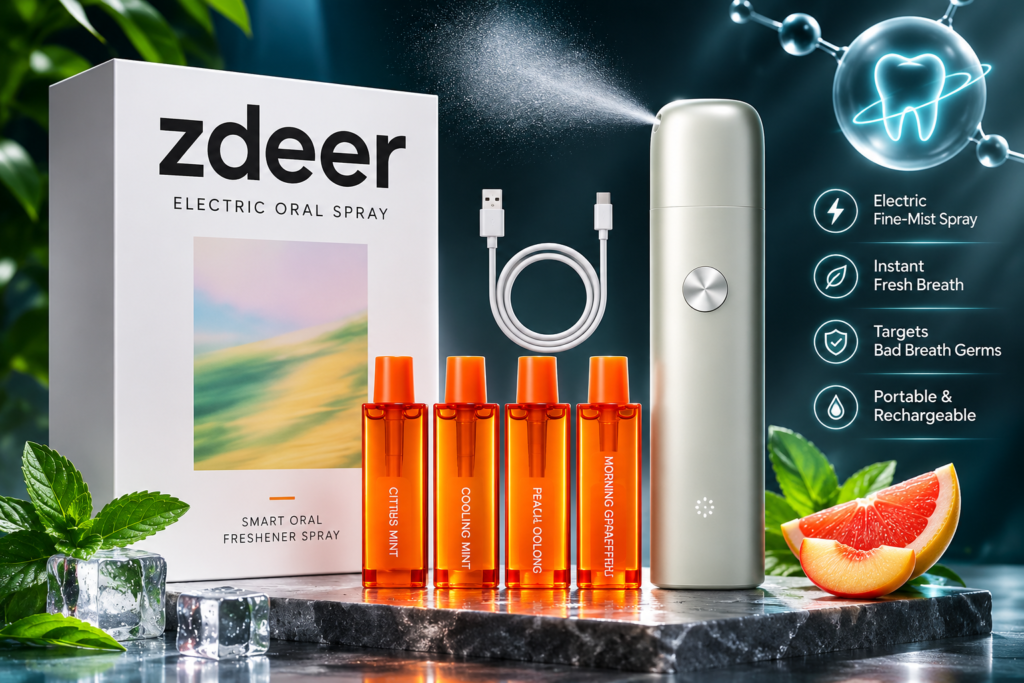
ZDEER Electric Oral Spray introduces an innovative approach to portable breath freshening, combining electronic atomization technology, rechargeable hardware, and replaceable oral freshener cartridges in a compact, premium-looking device.
Unlike conventional breath sprays that rely on a manually operated pump, the ZDEER Smart Electric Oral Spray uses a powered atomization mechanism to transform its oral freshening liquid into a fine mist. This creates a different application experience, emphasizing controlled dispensing, convenient operation, and broad oral mist distribution.
The result is a product that sits somewhere between a traditional breath freshener and a modern personal-care gadget.
Beyond its electric delivery system, ZDEER markets its refill formulations around ingredients such as xylitol, botanical flavor extracts, and probiotics. The manufacturer also promotes alcohol-free, sugar-free, and dye-free formulations, although exact ingredients may differ between cartridges and product versions.
Its rechargeable aluminum-style body, USB-C charging system, LED status indicator, and interchangeable flavor cartridges make ZDEER particularly interesting for consumers exploring smart oral hygiene tools and reusable breath-freshening devices.
However, the distinction between advanced delivery technology and proven dental benefits matters. While electric atomization can produce a fine, controlled mist, it does not automatically remove plaque, clean between teeth, or eliminate the underlying causes of chronic halitosis.
For consumers researching the best electric oral spray, ZDEER’s strongest appeal is its combination of modern design, refillable convenience, and on-demand freshness—not a clinically demonstrated ability to replace established dental cleaning methods.
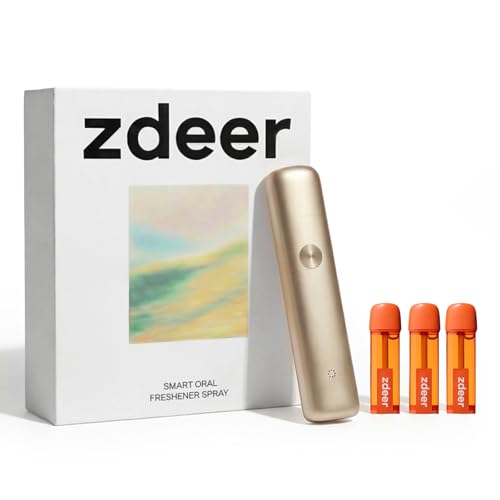
- 【Promotes Oral Health & Fresh Breath】Freshens breath while supporting comfortable daily oral care. Moisturizes the mouth…
- 【Natural and Safe Ingredients】Made with probiotics, xylitol, and plant-based extracts, this alcohol-free, sugar-free, an…
- 【Micron-Level Mist Technology】Features a 13 μm atomization aperture, 600 precision micro-fog holes, and 215,000 high-fre…
How Does ZDEER Electric Oral Spray Work?
The defining technology behind the ZDEER Electric Oral Spray is its powered atomization system.
Traditional manual breath sprays use mechanical pressure generated by pressing a pump. This forces liquid through a nozzle, creating droplets that enter the mouth.
ZDEER uses a different delivery mechanism.
Its electronic atomization system generates a fine mist from liquid stored inside a replaceable cartridge. The manufacturer describes a micro-perforated atomization component designed to distribute small droplets rather than release a conventional pump-driven spray.
The process involves three main stages.
1. Electronic atomization
When the user activates the device, its powered atomization mechanism converts the cartridge liquid into a fine mist.
Manufacturer descriptions of certain ZDEER models refer to a micro-perforated nozzle with hundreds of small openings.
This design allows the device to dispense liquid through an electronically controlled system rather than requiring manual pump pressure.
2. Fine-mist oral delivery
The resulting mist enters the mouth and contacts accessible oral surfaces.
ZDEER promotes this as a way to achieve wider and more consistent distribution than traditional manual breath sprays.
However, independent comparative research establishing superior oral coverage or clinical effectiveness has not been identified.
3. Cartridge-based breath freshening
The mist delivers the flavoring and other ingredients contained in the installed cartridge.
Depending on the specific refill formulation, these may include xylitol, botanical flavor extracts, probiotics, or moisturizing ingredients.
Their effects depend on the actual concentrations, delivered dose, contact time, and formulation stability.
HydroPaste Scientific Perspective: Electric atomization changes how a breath-freshening liquid is delivered, not necessarily what that liquid can accomplish.
A finer mist may offer a different sensory experience and convenient application, but it should not be confused with the mechanical cleaning action of a toothbrush or water flosser.
ZDEER Electric Oral Spray Features and Specifications
The ZDEER Smart Oral Spray incorporates several design elements associated with modern rechargeable personal-care devices.
| Feature | ZDEER Electric Oral Spray |
|---|---|
| Product category | Rechargeable electric breath freshener |
| Delivery technology | Electronic fine-mist atomization |
| Power source | Rechargeable battery |
| Charging connection | USB Type-C |
| Liquid storage | Replaceable oral freshener cartridges |
| Flavor options | Multiple fruit, mint, tea, and botanical-inspired flavors |
| Smart indicator | LED status lighting |
| Exterior design | Compact, metallic-style body |
| Formula positioning | Sugar-free, alcohol-free, and dye-free |
| Portability | Pocket-friendly, travel-oriented design |
| Primary purpose | Convenient breath freshening |
| Plaque removal | Not clinically established |
| Enamel remineralization | Not clinically established |
Specifications and included accessories vary between ZDEER model versions, bundles, and retailers. Verify the model number and package contents before purchasing.
The standout feature is undoubtedly the combination of rechargeable hardware and interchangeable flavor cartridges.
Instead of discarding the entire device when its liquid runs out, users replace the cartridge and continue using the main electronic unit.
This makes the ZDEER oral freshener a potentially interesting alternative for consumers who prefer reusable personal-care gadgets.
However, the long-term environmental benefit depends on cartridge materials, recycling options, device lifespan, and overall consumption.
ZDEER Nano-Mist Technology: Is It Better Than a Regular Breath Spray?
The term nano-mist technology appears prominently in ZDEER’s marketing, but it requires scientific clarification.
In consumer atomization devices, terms such as nano mist and micron-level mist are often used to describe exceptionally fine liquid droplets.
These descriptions should not automatically be interpreted as proof that droplets are genuinely nanoscale or that the product delivers clinically superior treatment.
The actual performance of a fine-mist system depends on multiple variables:
- Droplet distribution: How the liquid disperses across accessible surfaces.
- Atomization consistency: Whether the device produces a relatively stable mist during operation.
- Delivered volume: How much liquid reaches the mouth per activation.
- Ingredient concentration: The quantity of functional ingredients present in each cartridge.
- Contact time: How long those ingredients remain in the oral environment.
- Biological activity: Whether the formulation meaningfully affects odor-producing microorganisms or volatile sulfur compounds.
For a smart electric breath spray, these factors are more relevant than simply describing the mist as advanced or nanoscale.
The ZDEER design may offer a more refined dispensing experience than a manually operated pump, but there is insufficient independent evidence to conclude that it removes more odor-causing bacteria or provides objectively longer-lasting freshness than every conventional breath spray.
ZDEER Electric Oral Spray Ingredients: What Is Inside the Cartridges?
An important feature of the ZDEER rechargeable breath spray is that its functional ingredients are contained in replaceable liquid cartridges.
The manufacturer advertises formulations incorporating xylitol, botanical extracts, and probiotics, with certain product descriptions also mentioning hyaluronic acid.
However, not every refill should be assumed to contain every advertised ingredient.
| Advertised ingredient or component | Intended function | Scientific consideration |
|---|---|---|
| Xylitol | Sugar-free sweetener | Not readily fermented into acids by major cavity-associated bacteria |
| Botanical mint extracts | Flavoring and freshness | Provide aromatic freshness; antimicrobial effects depend on composition and concentration |
| Probiotic ingredients | Microbiome-oriented formulation | Benefits depend on identifiable strains, viable dose, and clinical evidence |
| Hyaluronic acid | Moisture-associated ingredient | May contribute to lubrication, depending on formulation |
| Fruit and tea flavorings | Sensory freshness | Improve flavor variety without necessarily treating oral malodor |
| Water-based liquid carrier | Atomization medium | Enables delivery of the oral freshening formulation |
HydroPaste Ingredient Insight: The presence of xylitol and probiotics makes ZDEER an interesting product to examine from an oral microbiome perspective.
However, their inclusion is not equivalent to proof that the finished spray improves the microbiome, prevents cavities, or produces clinically significant bacterial reduction.
For probiotic claims, particularly important details include the bacterial strain, viable microorganism count, shelf stability, and dose delivered per application.
Without this information, the probiotic positioning should be treated as a product feature rather than an established therapeutic advantage.
Does ZDEER Electric Oral Spray Help with Bad Breath?
ZDEER Electric Oral Spray is primarily designed for convenient management of everyday breath freshness.
The manufacturer promotes the product as delivering rapid freshness through fine-mist distribution and specialized refill formulations.
The biological causes of halitosis, however, extend beyond the method used to spray liquid into the mouth.
Oral malodor frequently involves bacteria that metabolize proteins and other sulfur-containing materials, releasing volatile sulfur compounds such as hydrogen sulfide and methyl mercaptan.
These microorganisms can accumulate on the tongue, around teeth, and within periodontal pockets.
A breath freshener may temporarily improve mouth odor through flavoring, chemical ingredients, or other mechanisms.
However, simply delivering liquid in smaller droplets does not establish that the formulation can penetrate dental plaque, disrupt mature biofilms, or eliminate odor-producing bacteria.
For this reason, the ZDEER Smart Electric Oral Spray is most appropriately described as a technology-driven breath-freshening device rather than a treatment for chronic halitosis.
| Breath concern | Expected role of ZDEER Electric Oral Spray |
|---|---|
| Post-meal breath | Convenient temporary freshness |
| Coffee-related breath | Flavor-based breath refreshing |
| Before meetings or presentations | Portable on-demand application |
| Morning breath | Supplemental freshness after routine oral hygiene |
| Dryness-related discomfort | Possible brief moistening, depending on refill |
| Chronic halitosis | Does not replace diagnosis or treatment |
| Gum-disease-related odor | Does not replace professional periodontal care |
For consumers seeking a portable electric breath freshener, ZDEER’s practical value is its convenient application and reusable device format.
How Long Does ZDEER Electric Oral Spray Keep Breath Fresh?
ZDEER advertises extended freshness, including claims of approximately 4–12 hours, depending on the product description and refill.
These are manufacturer claims, not independently verified clinical outcomes established in this review.
The actual duration of noticeable breath freshness can vary considerably.
Diet, salivary flow, tongue coating, oral hygiene, bacterial activity, and underlying dental conditions all influence how quickly unpleasant odors return.
Furthermore, a prolonged mint or botanical flavor sensation does not necessarily indicate that odor-producing compounds have been reduced for the same duration.
A fair assessment of a long-lasting electric breath spray would require controlled testing that measures objective oral malodor before and after application, ideally alongside a conventional manual breath spray.
Until such evidence is available, ZDEER’s extended-freshness positioning is best regarded as an advertised feature rather than a guaranteed clinical benefit.
ZDEER Electric Oral Spray vs. Traditional Manual Breath Spray
One of the most common questions about electric breath sprays is whether their additional technology justifies purchasing a rechargeable device.
The answer depends on whether users value convenience, design, and refillability enough to accept the additional complexity.
| Comparison factor | ZDEER Electric Oral Spray | Conventional manual breath spray |
|---|---|---|
| Delivery method | Electronic atomization | Mechanical pump |
| Power source | Rechargeable battery | No battery required |
| Liquid replacement | Replaceable cartridges | Usually replace bottle or refill if supported |
| Mist characteristics | Manufacturer promotes fine, controlled mist | Varies by nozzle design |
| Flavor flexibility | Multiple interchangeable options | Usually fixed per bottle |
| Charging | Required periodically | Not required |
| Maintenance | Nozzle care, charging, cartridge replacement | Usually minimal |
| Initial expense | Device plus refill system | Generally lower |
| Ongoing expense | Replacement cartridges | Replacement bottles or refills |
| Superior breath control | Not independently established | Formulation-dependent |
For someone who simply wants a quick mint refresh, a conventional breath spray may provide better value.
For consumers who enjoy rechargeable personal-care technology, ZDEER offers a more distinctive user experience.
Its appeal comes from the delivery system and reusable hardware rather than demonstrated superiority in clinical oral hygiene.
Is ZDEER Electric Oral Spray Good for Braces and Dental Appliances?
People with braces, fixed retainers, bridges, and other dental appliances often experience increased difficulty maintaining oral hygiene.
Orthodontic brackets and wires can create additional surfaces where food debris and plaque accumulate.
This makes careful brushing and interdental cleaning especially important.
A compact electric mouth spray may provide convenient breath freshness during the day, particularly when users cannot immediately brush after eating.
However, ZDEER should not be described as a specialized orthodontic cleaning device.
Its fine mist does not provide the directed mechanical cleaning action of a water flosser, interdental brush, or orthodontic toothbrush.
For users wearing braces, the most appropriate approach is to separate freshness from plaque removal.
- Use a suitable toothbrush to clean around brackets, wires, and the gumline.
- Clean between teeth using floss, interdental brushes, or other dentist-recommended tools.
- Use a breath spray as an optional supplementary product for temporary freshness.
For readers comparing rechargeable oral hygiene devices, HydroPaste’s best teeth tools 2026 guide examines electric oral sprays alongside tongue scrapers, plaque-disclosing tablets, dental mirrors, and other tools designed for different aspects of everyday oral care.
This distinction matters because the best device for convenient fresh breath is not necessarily the best device for removing plaque.
Is ZDEER Electric Oral Spray Suitable for Dry Mouth?
Some ZDEER product descriptions promote moisture-oriented ingredients, including hyaluronic acid.
Hyaluronic acid is a water-binding substance used in multiple personal-care and medical formulations.
When included in an appropriate oral preparation, it may contribute to a lubricating or moisturizing sensation.
However, the specific quantity and clinical effectiveness of hyaluronic acid in ZDEER refills have not been independently established.
A brief mist can introduce liquid into the mouth, but this is not equivalent to restoring normal saliva production.
For people experiencing occasional mouth dryness, ZDEER may offer temporary refreshing comfort depending on the refill formulation.
For individuals with chronic xerostomia, medication-related dryness, or salivary gland dysfunction, a clinically appropriate saliva substitute may be more suitable.
HydroPaste Recommendation: Treat ZDEER primarily as a portable breath-freshening device, not as a dedicated dry mouth treatment.
ZDEER Rechargeable Breath Spray: Battery Life and Refill System
The rechargeable design is one of ZDEER’s most practical distinguishing features.
The manufacturer’s PW13 product information advertises a USB-C charging connection and battery life of up to approximately 30 days under specified usage assumptions.
However, different ZDEER models and manuals report differing charging times, battery estimates, and cartridge capacities.
The actual duration depends on activation frequency, spray length, battery condition, and the particular device version.
Some refill descriptions also advertise approximately 200 applications per cartridge, although actual usage depends on how long the spray is activated.
What makes the refill system convenient?
- The main device can be reused rather than discarded after every refill.
- Users can select different flavor cartridges.
- USB-C charging reduces dependence on disposable batteries.
- The compact form factor is suited to travel and office use.
- Separate cartridges make it possible to replace the oral freshening liquid without replacing the electronic unit.
Before purchasing, consumers should verify the availability and price of compatible cartridges.
The lifetime cost of a rechargeable breath spray includes more than the device’s initial price.
A useful comparison should consider the cost per refill, estimated applications per cartridge, shipping availability, and expected lifespan of the electronic unit.
For long-term users, cartridge availability may prove more important than the device’s appearance or advertised battery life.
How to Use ZDEER Smart Electric Oral Spray
The ZDEER Smart Electric Oral Spray is designed for straightforward operation, although instructions may differ slightly between models.
General usage steps:
- Charge the device: Connect the supplied USB-C cable to a compatible standard-power charger, following the instructions for the specific model.
- Install a cartridge: Remove the protective cap and insert a compatible ZDEER oral freshener cartridge.
- Position the device: Hold it upright with the nozzle directed toward the mouth.
- Activate the mist: Press the control button to dispense the oral freshening liquid for the duration stated in the product instructions.
- Close the device: Replace its protective cap after use.
- Maintain the nozzle: Keep the atomization opening clean and avoid exposing the electrical components to water.
The device should not be submerged or filled with liquids that the manufacturer has not approved.
Avoid inhaling the mist deliberately, and do not allow children to use the device unsupervised. Follow the age restrictions stated for the model.
ZDEER should complement regular brushing, interdental cleaning, and tongue hygiene rather than replace them.
ZDEER Electric Oral Spray: Advantages and Limitations
Why it stands out
- Electronic fine-mist technology: Provides a distinctive alternative to manually operated spray pumps.
- Rechargeable design: USB-C charging supports repeated use without disposable batteries.
- Replaceable cartridges: Allows users to change flavors and replenish oral freshening liquid.
- Premium device appearance: Compact metallic-style body offers a modern personal-care aesthetic.
- Multiple flavors: Fruit, tea, mint, and other flavor options offer variety.
- Alcohol-free positioning: Advertised refill formulations avoid ethanol.
- Sugar-free formulation: The manufacturer promotes xylitol-based sweetness rather than conventional sugar.
- Portable convenience: Suitable for quick breath refreshing during work, travel, or social activities.
- Potential refill flexibility: Reusable hardware may appeal to consumers who dislike repeatedly purchasing complete spray bottles.
Potential drawbacks
- Requires charging and occasional maintenance.
- Replacement cartridges create recurring costs.
- Greater mechanical complexity than a conventional breath spray.
- No identified independent clinical evidence establishes superior breath control compared with manual sprays.
- Fine-mist delivery does not remove dental plaque or clean interdental spaces.
- Probiotic and hydration benefits depend on refill-specific ingredients and clinical evidence.
- Manufacturer claims about extended freshness require independent verification.
- Cartridge compatibility and availability may vary between versions.
- Not established as a treatment for chronic bad breath, gum disease, or xerostomia.
Who Should Choose ZDEER Electric Oral Spray?
Best suited for: Adults who want a rechargeable, technology-focused electric breath freshener with interchangeable flavors and convenient on-the-go operation.
The device is particularly appealing to consumers who enjoy smart personal-care gadgets and value reusable hardware.
Tech-conscious consumers
ZDEER may interest people who prefer electronic devices over manual applicators and appreciate rechargeable design.
Professionals and frequent travelers
Its compact form factor makes it convenient for meetings, commuting, business travel, and social situations.
Everyday breath-spray users
Those who frequently use portable breath fresheners may appreciate the replaceable cartridge system, provided refills remain affordable and readily available.
People with braces or dental appliances
ZDEER can serve as a supplementary breath freshener, but should be paired with appropriate mechanical cleaning tools.
Users interested in innovative oral care
The device provides an example of how modern oral hygiene accessories increasingly incorporate electronics, rechargeable batteries, and replaceable consumables.
Less suitable for: Consumers seeking the lowest-cost breath spray, those who prefer maintenance-free products, and individuals expecting an electric mist to replace brushing, flossing, or professional treatment of oral health conditions.
Final recommendation: A compelling technology-focused choice for portable breath freshness, especially for adults who prefer rechargeable, reusable personal-care devices. Best suited to convenient everyday refreshing—not as a replacement for evidence-based plaque removal, professional dental care, or treatment of persistent halitosis.
🦷 Best for Sensitive Teeth & Enamel Support — CariSpray Nano-Hydroxyapatite Oral Spray
Best for: Sensitive Teeth, Enamel Remineralization Support & Gentle Mineral-Based Oral Care
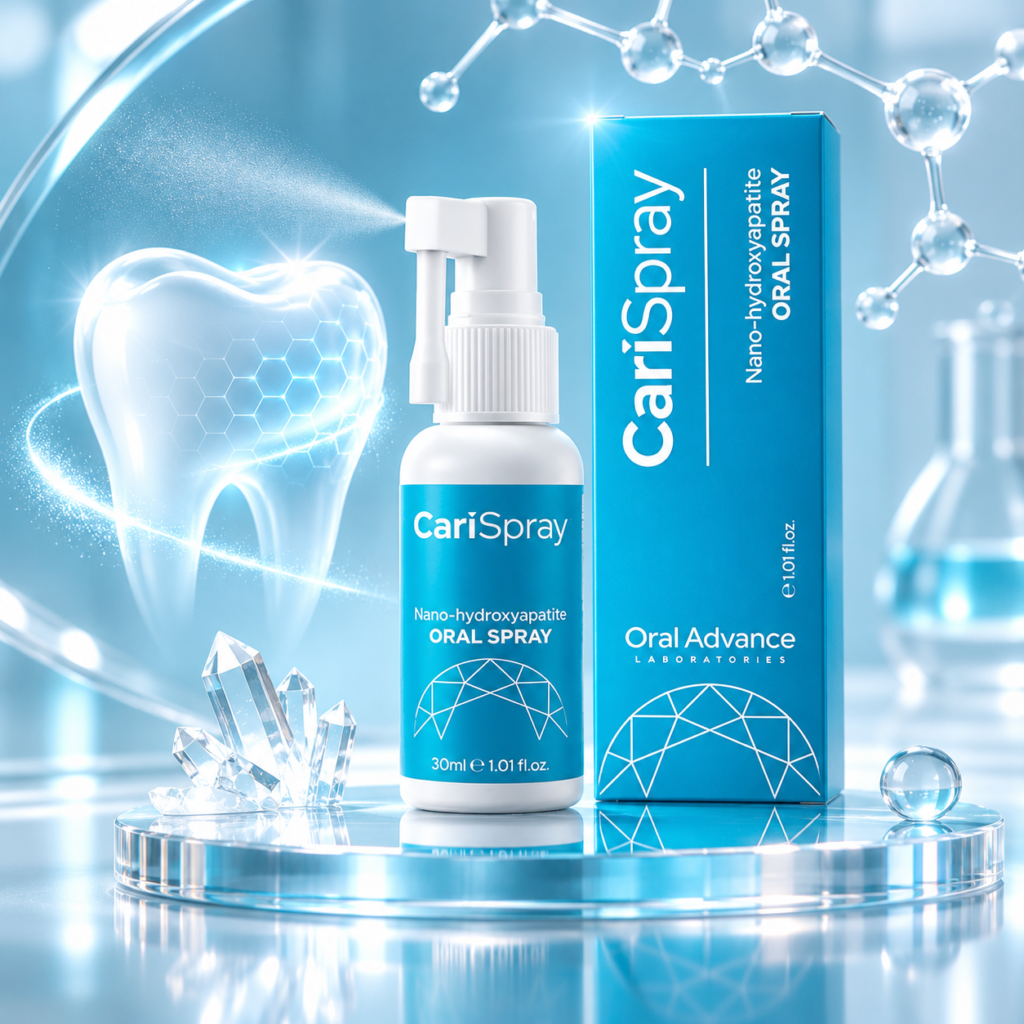
CariSpray Nano-Hydroxyapatite Oral Spray takes a fundamentally different approach to everyday oral care by combining breath freshening with biomimetic mineral technology designed to support tooth enamel and address sensitivity-related concerns.
Developed by OralAdvance Laboratories, CariSpray distinguishes itself from conventional mouth sprays through the inclusion of nano-hydroxyapatite (n-HAp), a synthetic calcium phosphate mineral structurally similar to the mineral naturally present in human teeth.
Unlike traditional breath sprays for bad breath that primarily emphasize mint freshness, CariSpray positions itself as a multifunctional oral care product intended to complement brushing, support enamel mineralization, and provide convenient protection between regular oral hygiene sessions.
Its formulation combines hydroxyapatite with xylitol, sodium bicarbonate, potassium citrate, glycerin, and peppermint oil. Together, these ingredients create a scientifically interesting combination of mineral support, acid-buffering potential, sugar-free sweetness, moisture retention, and breath freshness.
The product’s most compelling characteristic is its emphasis on the underlying mineral structure of enamel.
Rather than relying on a temporary numbing sensation to address sensitive teeth, hydroxyapatite-based formulations can potentially reduce discomfort through mineral deposition and the physical occlusion of exposed dentinal tubules.
This gives CariSpray a distinctive position among consumers researching the best mouth spray for sensitive teeth, particularly those seeking fluoride-free, mineral-based oral care.
However, the strength of evidence differs between hydroxyapatite as an ingredient and CariSpray as a finished product. Clinical research supports certain hydroxyapatite formulations for dentin hypersensitivity and enamel remineralization, but independent clinical trials establishing equivalent outcomes for CariSpray itself have not been identified.
For this reason, CariSpray is best understood as a promising hydroxyapatite oral spray for supplementary enamel care, rather than a proven replacement for established sensitivity treatments or fluoride toothpaste.
How Does CariSpray Nano-Hydroxyapatite Oral Spray Work?
The primary mechanism behind CariSpray involves biomimetic mineral interaction.
Biomimetic materials are engineered to resemble structures or processes found naturally within the body. In dentistry, hydroxyapatite is particularly relevant because it closely resembles the calcium phosphate crystals that give tooth enamel much of its hardness.
When tooth enamel undergoes early demineralization, microscopic changes can develop in its mineral structure.
These changes may result from frequent acid exposure, bacterial acid production, inadequate saliva buffering, or other factors that disrupt the balance between mineral loss and recovery.
Hydroxyapatite-based oral care products aim to support this balance by delivering compatible mineral particles to the tooth surface.
The potential mechanism involves four interconnected processes:
1. Mineral adhesion to enamel
Hydroxyapatite particles can interact with enamel surfaces because of their chemical similarity to tooth mineral.
Under suitable conditions, these particles may deposit on roughened or demineralized areas, contributing to a mineral-containing surface layer.
2. Microscopic surface defect filling
Early enamel demineralization can create microscopic irregularities and porous regions.
Hydroxyapatite particles may accumulate in these areas, potentially helping smooth the surface and support mineral recovery.
This should not be confused with repairing a visible crack, rebuilding missing enamel, or filling a cavity.
3. Dentinal tubule occlusion
When protective enamel or gum coverage is reduced, microscopic channels within the underlying dentin may become exposed.
These channels, called dentinal tubules, allow fluid movement that can stimulate nerves inside the tooth.
Hydroxyapatite particles can help physically obstruct exposed tubules, which may reduce sensitivity to cold, air, touch, or other stimuli.
4. Repeated mineral contact
Repeated exposure to appropriately formulated hydroxyapatite products may support continued mineral deposition and early enamel remineralization.
The effectiveness of this process depends on particle characteristics, formulation concentration, contact time, saliva chemistry, and the condition of the tooth surface.
HydroPaste Scientific Perspective: CariSpray’s relevance lies in its use of a tooth-compatible mineral rather than simply a refreshing flavor.
For a deeper explanation of particle adhesion, early enamel mineral recovery, surface defect filling, and dentinal tubule occlusion, explore our detailed guide to the Enamel Remineralization Hydroxyapatite Mechanism.
That scientific distinction is essential when comparing nano-hydroxyapatite mouth sprays with ordinary cosmetic breath fresheners.
CariSpray Ingredients: What Makes the Formula Different?
The manufacturer’s current product information highlights six ingredients that perform different roles within the CariSpray hydroxyapatite oral spray formulation.
| Featured ingredient | Primary function | Potential oral care benefit |
|---|---|---|
| Nano-hydroxyapatite | Biomimetic calcium phosphate mineral | Supports mineral deposition and may help occlude exposed dentinal tubules |
| Xylitol (25% advertised) | Non-fermentable sweetener | Provides sugar-free sweetness without supporting acid production in the same way as conventional sugar |
| Sodium bicarbonate | Acid-buffering ingredient | May help neutralize acidity under appropriate formulation conditions |
| Potassium citrate | Potassium-based desensitizing ingredient | Potassium ions may reduce nerve excitability associated with dentin hypersensitivity |
| Glycerin | Humectant | Helps maintain moisture and supports liquid formulation properties |
| Peppermint oil | Flavoring and aromatic ingredient | Provides breath freshness and a cooling sensory experience |
The table summarizes the six featured ingredients disclosed in the manufacturer’s marketing materials; it should not be treated as a verified exhaustive ingredient declaration.
HydroPaste Ingredient Insight: CariSpray’s most meaningful formulation distinction is the pairing of hydroxyapatite and potassium citrate.
These ingredients relate to two different approaches to tooth sensitivity.
Hydroxyapatite may physically occlude dentinal tubules, while potassium salts are commonly investigated for their potential to reduce the excitability of nerves associated with dentin hypersensitivity.
The combination creates a plausible formulation rationale for sensitivity support, although its effectiveness depends on concentration, delivery, and clinical testing.
The manufacturer does not clearly disclose the hydroxyapatite concentration, complete particle specifications, or the amount of potassium citrate delivered per application. These omissions limit how precisely the formula can be compared with clinically studied desensitizing products.
Is CariSpray Good for Sensitive Teeth?
CariSpray may be relevant to people with sensitive teeth because its formulation contains hydroxyapatite and potassium citrate.
To understand why, it is important to distinguish dentin hypersensitivity from other causes of dental pain.
Dentin hypersensitivity typically involves a short, sharp sensation triggered by cold, air, touch, or certain foods.
According to the hydrodynamic theory of dentin sensitivity, these external stimuli can cause fluid movement within exposed dentinal tubules, activating sensory nerves associated with the tooth.
There are two broad strategies for reducing this discomfort.
Physical tubule occlusion
Some desensitizing materials, including hydroxyapatite, can deposit on exposed dentin and reduce the openness of dentinal tubules.
This may reduce fluid movement and limit the stimuli reaching the underlying nerve structures.
Nerve excitability modification
Potassium-based desensitizing ingredients are used in certain sensitivity toothpastes.
Their proposed action involves modifying the electrical behavior of sensory nerves rather than physically sealing dentinal tubules.
Research findings on potassium salts vary, and their effectiveness cannot automatically be assumed for every ingredient concentration or application format.
CariSpray combines ingredients relevant to both pathways, creating an interesting formulation for consumers who prefer mineral-based tooth sensitivity care.
However, its oral spray format has not been independently demonstrated to produce the same results as clinically tested sensitivity toothpastes, gels, or professional treatments.
For occasional mild sensitivity, CariSpray may be considered as supplementary care.
For persistent, severe, or localized sensitivity, professional examination is important because discomfort can also result from cavities, cracks, gum recession, or infection.
Can CariSpray Repair Enamel and Reverse Early Demineralization?
One of the principal reasons consumers search for CariSpray nano-hydroxyapatite oral spray is its advertised enamel-support functionality.
Hydroxyapatite is widely investigated in modern dentistry because it resembles the mineral component of enamel.
In suitable formulations, hydroxyapatite particles can interact with weakened enamel surfaces and support mineral deposition.
This makes hydroxyapatite particularly interesting in the context of early, non-cavitated enamel lesions.
However, enamel remineralization is not the same as complete enamel regeneration.
What hydroxyapatite may help support:
- Mineral deposition on early demineralized enamel surfaces.
- Reduction of microscopic enamel surface irregularities.
- Surface smoothing under suitable conditions.
- Occlusion of exposed dentinal tubules.
- Maintenance of a mineral-rich oral care environment.
What CariSpray should not be expected to accomplish:
- Regrow large amounts of missing enamel.
- Repair a fractured or cracked tooth.
- Fill an established dental cavity.
- Reverse advanced tooth erosion.
- Replace a dental restoration.
- Independently prevent every form of tooth decay.
The distinction becomes especially important when manufacturers use terms such as enamel repair, rebuilding, or restoration.
The scientifically appropriate interpretation is that hydroxyapatite may support mineral recovery in early enamel damage—not that the product regenerates fully lost tooth structures.
Additionally, clinical evidence concerning hydroxyapatite toothpastes should not automatically be transferred to CariSpray.
Toothpaste, mouthwash, gels, and oral sprays differ in concentration, delivery volume, surface contact, and usage patterns.
Therefore, CariSpray’s ability to deliver clinically meaningful mineral recovery remains a product-specific question.
CariSpray vs. Numbing Oral Sprays vs. Fluoride Rinses
Consumers researching the best oral spray for sensitive teeth may encounter several products marketed for relief, enamel protection, or oral comfort.
However, these categories do not necessarily treat the same conditions.
| Evaluation factor | CariSpray Hydroxyapatite Oral Spray | Topical Numbing Oral Spray | Fluoride Rinse |
|---|---|---|---|
| Primary purpose | Supplementary enamel and sensitivity support | Temporary relief of certain oral or throat discomfort | Cavity prevention and remineralization support |
| Main mechanism | Mineral deposition; potential tubule occlusion and potassium-related desensitization | Local anesthetic action, depending on ingredient | Fluoride-assisted enamel remineralization and acid resistance |
| Active approach | Mineral-based formulation | Symptom-focused anesthesia | Fluoride chemistry |
| Relief onset | Not clinically established for CariSpray | May act rapidly, depending on product | Not intended as immediate anesthetic relief |
| Long-term benefit | Possible mineral support; spray-specific outcomes unverified | Usually temporary symptom relief | Established preventive benefits with appropriate use |
| Best application | Supplementary enamel-conscious oral care | Short-term relief for approved indications | Preventive oral hygiene |
| Key limitation | Limited independent spray-specific clinical evidence | Does not correct the cause of dental pain | Does not directly numb painful tissues |
Important: Numbing sprays intended for mouth sores or throat discomfort are not interchangeable with treatments for dentin hypersensitivity. Similarly, fluoride rinses are primarily preventive oral care products, not immediate pain-relief medications.
CariSpray’s distinctive position is its potential mineral-supporting mechanism rather than rapid anesthesia.
Is CariSpray Better Than Hydroxyapatite Toothpaste?
A nano-hydroxyapatite oral spray and a hydroxyapatite toothpaste can contain similar mineral ingredients while delivering them differently.
Toothpaste is applied during brushing, when the teeth receive direct contact alongside mechanical plaque removal.
An oral spray offers a more convenient application format but generally delivers a smaller amount of liquid without mechanical cleaning.
| Feature | CariSpray Oral Spray | Hydroxyapatite Toothpaste |
|---|---|---|
| Delivery format | Portable liquid mist | Brushing paste |
| Hydroxyapatite exposure | Small-volume spray application | Direct application during brushing |
| Plaque removal | No mechanical plaque removal | Supports plaque removal when used with a toothbrush |
| Enamel support | Mechanistically plausible; product-specific evidence limited | Supported by a broader clinical research base |
| Sensitivity relief | Not independently established for CariSpray | Supported by clinical studies of certain formulations |
| Convenience | Easy to use between brushing sessions | Requires a toothbrush and brushing time |
| Best role | Supplemental mineral exposure | Foundational daily oral hygiene |
The most practical approach is not necessarily to choose one instead of the other.
CariSpray may fit into a routine as an optional additional product between brushing sessions.
However, toothbrushing remains essential because hydroxyapatite spray cannot mechanically remove accumulated plaque or food debris.
For individuals at increased cavity risk, a dentist may recommend fluoride-containing toothpaste or other proven preventive treatments regardless of whether a supplementary hydroxyapatite spray is used.
Does CariSpray Help Neutralize Acids and Support Oral pH?
CariSpray contains sodium bicarbonate, a compound commonly associated with buffering and neutralizing acidity.
This ingredient is relevant because repeated acid exposure is a major contributor to enamel demineralization.
Following meals containing fermentable carbohydrates, plaque bacteria can produce organic acids.
These acids can lower local plaque pH, increasing the possibility of mineral dissolution when protective conditions are insufficient.
Sodium bicarbonate can participate in acid-neutralizing reactions, making it a scientifically relevant ingredient for oral formulations.
However, actual performance depends on the quantity delivered and its interaction with the oral environment.
CariSpray’s sodium bicarbonate content does not independently establish that the spray can neutralize every dietary acid or prevent dental erosion.
Saliva remains the body’s primary natural buffering and remineralization system.
For individuals concerned about frequent acid exposure, reducing acidic beverage frequency, avoiding prolonged sipping, maintaining saliva flow, and following evidence-based brushing recommendations are more reliable foundational strategies.
CariSpray may complement this approach but should not replace it.
Does CariSpray Help with Dry Mouth and Oral Discomfort?
The presence of glycerin makes CariSpray Oral Spray potentially interesting for users who prefer formulations offering a brief moisturizing sensation.
Glycerin is a humectant, meaning it helps retain water within a formulation.
When an oral spray contacts the mouth, its liquid carrier can provide temporary surface wetting.
However, these properties should be distinguished from treatment of medically significant dry mouth.
Chronic xerostomia can involve reduced salivary flow, medication effects, salivary gland dysfunction, or systemic medical conditions.
A small amount of oral spray cannot necessarily replace the functions of saliva, which include buffering acids, delivering minerals, lubricating tissues, and controlling microbial growth.
Furthermore, peppermint oil can cause irritation in certain sensitive individuals.
For occasional oral dryness: CariSpray may provide a brief refreshing sensation.
For persistent xerostomia: A dedicated saliva substitute or professionally recommended moisturizing treatment may be more appropriate.
For sensitive or inflamed gums: CariSpray has not been independently established as a treatment for gingivitis or periodontal inflammation.
Is CariSpray Alcohol-Free and Suitable for Sensitive Mouths?
The manufacturer’s promoted formula does not list ethanol among its six featured ingredients and emphasizes the absence of certain conventional additives.
This may appeal to consumers seeking alternatives to strongly alcohol-based oral care products.
However, suitability for sensitive mouths depends on more than alcohol content.
Peppermint oil, for example, may produce cooling sensations that some users find refreshing but others experience as irritating.
The formula’s mineral content and moisture-associated ingredients may make it appealing for everyday oral care, but the finished product cannot be described as universally non-irritating without appropriate testing.
People with oral ulcers, inflamed tissues, recent dental surgery, or known essential oil sensitivities should consult their dentist before applying unfamiliar oral products.
CariSpray should not be used as a substitute for prescribed post-operative rinses, professional sensitivity treatments, or medications.
How Long Does CariSpray Take to Work?
The manufacturer markets CariSpray for immediate breath freshness and longer-term enamel support.
It also advertises protection and freshness lasting up to eight hours.
However, the manufacturer’s duration claims should be distinguished from independently verified clinical outcomes.
Different ingredients may produce different types of effects.
Peppermint oil can create an immediate sensation of fresh breath, while hydroxyapatite-related mineral deposition and sensitivity improvement may depend on repeated exposure.
Sodium bicarbonate’s acid-buffering activity, meanwhile, depends on the formulation and local oral conditions.
For this reason, a universal timeline for CariSpray’s benefits cannot be established from its ingredient list alone.
| Intended outcome | Scientifically reasonable expectation |
|---|---|
| Mint freshness | Sensory freshness may occur immediately |
| Oral moistening | Temporary wetting after application |
| Acid-buffering effect | Depends on formulation and delivered dose |
| Dentinal tubule occlusion | Plausible from hydroxyapatite research; CariSpray-specific timing unknown |
| Tooth sensitivity improvement | No independently established onset for CariSpray |
| Enamel remineralization | Requires appropriate conditions and repeated mineral interaction |
| Eight-hour freshness | Manufacturer claim; independent verification not established |
HydroPaste Editorial Insight: Immediate flavor freshness should not be confused with measurable enamel remineralization.
Although hydroxyapatite-containing oral care products have demonstrated clinical benefits in certain studies, the effects of a specific low-volume spray require direct evaluation.
How to Use CariSpray Nano-Hydroxyapatite Oral Spray
The manufacturer describes CariSpray as a no-rinse oral spray intended for use after meals or when additional oral freshness is desired.
Manufacturer-recommended application:
- Shake the bottle: Gently shake before use to distribute the formulation.
- Direct the spray toward the teeth: Position the nozzle so the mist reaches accessible tooth surfaces.
- Apply two to three sprays: Follow the instructions provided on the product packaging.
- Allow brief contact: The manufacturer’s directions describe allowing approximately five seconds for distribution.
- Do not rinse immediately: The formula is intended to remain in the mouth after application.
- Continue regular oral hygiene: Maintain toothbrushing, interdental cleaning, and other dentist-recommended practices.
For sensitive teeth, avoid treating CariSpray as an alternative to diagnosis when symptoms are severe, persistent, or localized.
If sensitivity develops suddenly, is associated with swelling, or occurs when biting, professional assessment is appropriate.
CariSpray Product Specifications and Practical Value
CariSpray is available in a portable spray-bottle format intended for daily supplemental oral care.
| Product specification | CariSpray |
|---|---|
| Manufacturer | OralAdvance Laboratories |
| Product category | Mineral-based oral care spray |
| Highlighted mineral | Nano-hydroxyapatite |
| Bottle volume | 30 mL |
| Advertised xylitol content | 25% |
| Additional featured ingredients | Sodium bicarbonate, potassium citrate, glycerin, peppermint oil |
| Application | Manual oral spray |
| Suggested amount | Two to three sprays |
| Rinsing required | No |
| Main product positioning | Enamel support, tooth sensitivity, fresh breath |
| Hydroxyapatite concentration | Not clearly disclosed |
| Independent product-specific clinical efficacy | Not established in this review |
A significant consideration is that CariSpray belongs to a specialized oral care category rather than the conventional budget breath spray market.
Consumers should therefore assess its value based on formulation transparency, available clinical evidence, cost per bottle, and how well it complements an existing oral hygiene routine.
For readers interested primarily in instant mint freshness, a conventional breath spray may be more economical.
For those specifically researching hydroxyapatite mouth sprays for enamel support, CariSpray provides a more ingredient-focused proposition.
CariSpray: Advantages and Limitations
Why it stands out
- Nano-hydroxyapatite formulation: Incorporates a tooth-compatible mineral investigated for enamel remineralization and dentin sensitivity.
- Potential tubule occlusion: Hydroxyapatite may help reduce sensitivity by depositing mineral particles in exposed dentinal tubules.
- Potassium citrate inclusion: Adds an ingredient class associated with desensitizing oral care formulations.
- Advertised 25% xylitol: Offers sugar-free sweetness with relevance to the metabolism of certain cavity-associated microorganisms.
- Sodium bicarbonate: Provides a scientifically plausible acid-buffering component.
- Glycerin-based moisture support: May contribute to a brief moisturizing sensation.
- Convenient no-rinse application: Suitable for supplemental use between brushing sessions.
- Portable 30 mL bottle: Convenient for travel, office use, and post-meal application.
- Fluoride-free positioning: Appeals to consumers specifically seeking mineral-based alternatives.
Potential drawbacks
- Independent clinical evidence for the finished CariSpray product is limited or unavailable.
- Hydroxyapatite concentration and detailed particle specifications are not clearly disclosed.
- Cannot repair cavities, cracks, or advanced enamel erosion.
- Does not replace fluoride toothpaste or other dentist-recommended cavity-prevention measures.
- Not established as a treatment for gingivitis, gum disease, or chronic xerostomia.
- Peppermint oil may cause irritation in sensitive users.
- The manufacturer’s eight-hour protection claim lacks identified independent verification.
- More specialized than conventional low-cost breath sprays.
- The effects of hydroxyapatite toothpastes cannot automatically be generalized to a small-volume oral spray.
Who Should Choose CariSpray Nano-Hydroxyapatite Oral Spray?
Best suited for: Adults interested in supplementary enamel care, mineral-based oral hygiene, and ingredient-focused products designed with tooth sensitivity in mind.
People with occasional tooth sensitivity
CariSpray may interest individuals experiencing mild sensitivity related to exposed dentin or enamel wear, although clinically established treatments remain important.
Hydroxyapatite oral care enthusiasts
Consumers already using hydroxyapatite toothpaste may find CariSpray appealing as an additional mineral-based oral care product between brushing sessions.
People concerned about early enamel demineralization
CariSpray offers a formulation centered on tooth-like mineral particles, although management of early enamel lesions should be guided by dental evaluation and individual cavity risk.
Consumers seeking fluoride-free supplementary products
The product may appeal to individuals who want to explore fluoride-free mineral formulations without relying exclusively on conventional mint freshness.
Office professionals and frequent travelers
Its no-rinse application provides a convenient way to supplement oral freshness throughout the day.
Less suitable for: Individuals experiencing severe tooth pain, untreated cavities, active oral infections, significant gum inflammation, severe dry mouth, or dental complications requiring professional care.
Final recommendation: A promising mineral-based oral spray for adults seeking supplementary enamel support, convenient breath freshening, and a formulation informed by hydroxyapatite science. Best considered as an addition to regular brushing and professional dental care—not a replacement for clinically established sensitivity treatments or cavity prevention.
🩺 Best for Oral Ulcers — Aloclair Plus Spray (15 mL)
Best for: Mouth Ulcer Pain Relief, Canker Sores, Oral Tissue Protection & Minor Oral Irritation
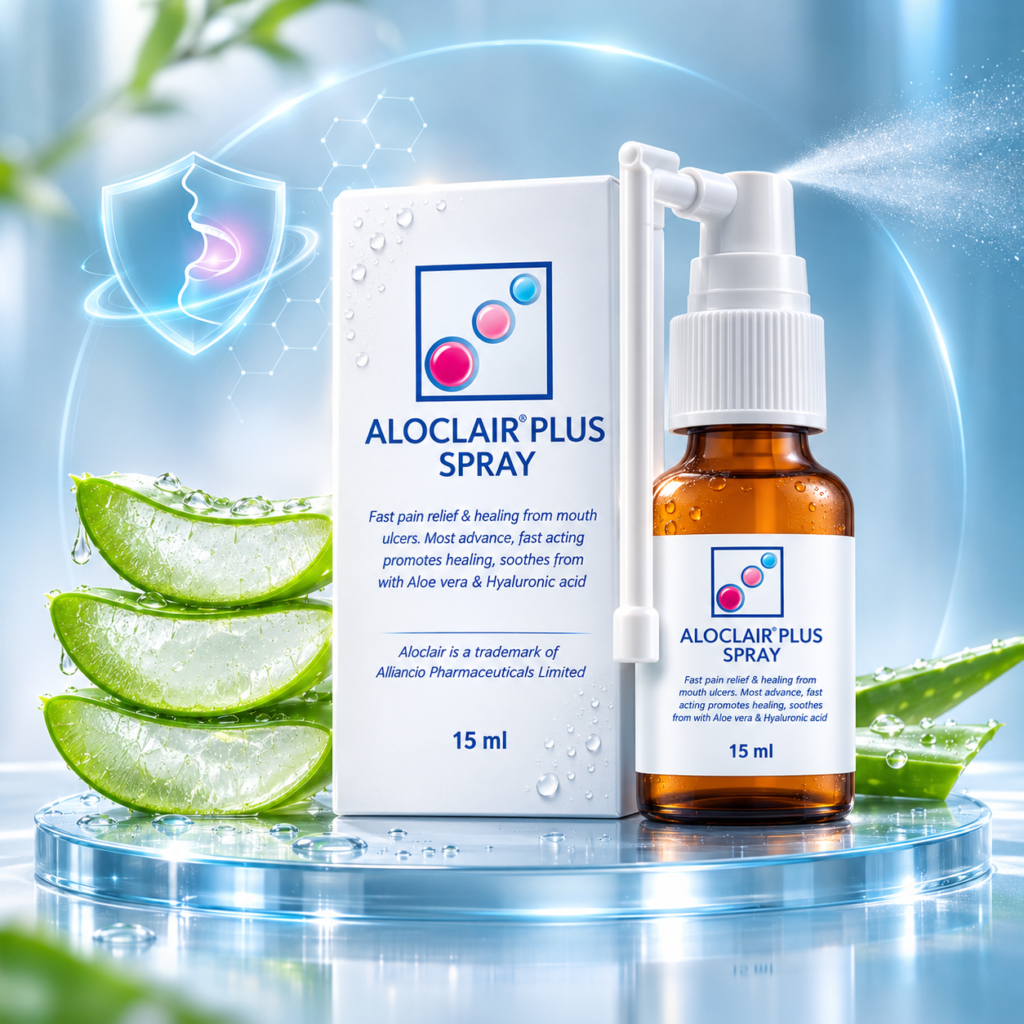
Aloclair Plus Spray takes a fundamentally different approach to oral care compared with conventional breath fresheners. Rather than focusing on mint intensity, bacterial odor control, or temporary freshness, this specialized mouth ulcer spray is designed to protect damaged oral tissues and relieve the discomfort associated with painful mouth sores.
Formulated with hyaluronic acid, aloe vera, and bioadhesive polymers, Aloclair Plus creates a thin protective film over affected areas inside the mouth. This barrier reduces direct exposure to food, beverages, saliva movement, and other sources of mechanical irritation, helping make everyday activities such as eating, drinking, and speaking more comfortable.
Its protective mechanism is particularly relevant for people experiencing aphthous ulcers, recurrent canker sores, minor mouth injuries, and irritation caused by braces or poorly fitting dentures.
Unlike benzocaine-containing oral anesthetics that temporarily interfere with nerve signaling, Aloclair Plus provides relief primarily by covering exposed, sensitive tissue.
This distinction makes it an interesting option for consumers seeking a non-numbing mouth ulcer treatment.
The formula also contains high-molecular-weight hyaluronic acid and aloe vera, ingredients investigated for their roles in oral mucosal comfort, moisture retention, and tissue recovery.
Presented in a convenient 15 mL bottle with a directed spray applicator, Aloclair Plus Mouth Ulcer Spray is especially practical for reaching sores that may be difficult or uncomfortable to treat with a finger-applied gel.
For consumers researching the best spray for mouth ulcers, Aloclair Plus offers an established protective-barrier approach. However, the product should be understood as a symptom-management device, not a cure for recurrent aphthous stomatitis or the medical conditions that may cause persistent oral ulceration.
How Does Aloclair Plus Spray Work?
The defining characteristic of Aloclair Plus Spray is its ability to form a protective, bioadhesive film over the oral mucosa.
The oral mucosa is the soft tissue lining the cheeks, lips, tongue, gums, and other internal surfaces of the mouth.
When this tissue develops an ulcer, its outer protective layer becomes disrupted, leaving underlying tissue exposed to mechanical, chemical, and temperature-related irritation.
This explains why even small mouth ulcers can be disproportionately painful.
The protective action of Aloclair Plus involves three interconnected processes.
1. Formation of a bioadhesive barrier
Aloclair Plus contains film-forming polymers, including polyvinylpyrrolidone (PVP).
These materials help the formulation adhere to moist oral tissue, forming a temporary protective covering over the lesion.
This bioadhesive property is especially important because ordinary liquids may be quickly diluted or washed away by saliva.
A formulation capable of temporarily adhering to oral tissue can provide more localized protection than a simple mouth rinse.
2. Reduced exposure of sensitive tissue
Once the protective film forms, it acts as a mechanical barrier between the lesion and external irritants.
This may reduce the discomfort associated with:
- Acidic foods and beverages.
- Friction from orthodontic appliances.
- Contact with rough or crunchy foods.
- Movement of the tongue or cheeks.
- Accidental contact with irritated areas.
The barrier does not eliminate the nerve endings or chemically block their function. Instead, it reduces their exposure to irritating stimuli.
3. Support for the natural healing environment
Hyaluronic acid and aloe vera contribute to the formulation’s tissue-care profile.
Hyaluronic acid is associated with moisture retention and extracellular matrix functions, while aloe vera contains biologically active components investigated for soothing and wound-healing applications.
These ingredients may help support a favorable environment for normal tissue recovery.
However, the extent of healing improvement depends on the clinical situation, formulation, and individual response.
HydroPaste Scientific Perspective: Aloclair Plus is best categorized as a protective oral lesion spray rather than a conventional breath spray or topical anesthetic.
Its principal advantage comes from reducing irritation through a temporary physical barrier, not from killing bacteria, repairing teeth, or permanently blocking pain signals.
Aloclair Plus Spray Ingredients: What Makes the Formula Different?
The original Aloclair Plus 15 mL Spray formulation combines a bioadhesive polymer with hyaluronic acid, aloe vera, and several supporting ingredients.
| Key ingredient | Primary function | Potential oral care benefit |
|---|---|---|
| Polyvinylpyrrolidone (PVP) | Film-forming polymer | Helps create a protective layer over irritated tissue |
| Sodium hyaluronate (hyaluronic acid) | Moisture-binding ingredient | Supports oral mucosal hydration and tissue recovery |
| Aloe barbadensis (aloe vera) | Botanical ingredient | Contributes to the formula’s soothing and tissue-care profile |
| Propylene glycol | Solvent and humectant | Helps maintain formulation consistency and moisture |
| Maltodextrin | Supporting formulation ingredient | Contributes to the liquid system and its physical properties |
| PEG-40 hydrogenated castor oil | Solubilizing agent | Helps disperse certain ingredients within the formulation |
| Dipotassium glycyrrhizate | Licorice-derived compound | Included for its formulation and potential soothing properties |
| Water | Liquid carrier | Enables targeted spray delivery |
This table describes ingredients found in the original Aloclair Plus Spray formulation. Newer Bioadhesive versions may contain additional ingredients, including PVM/MA copolymer, polycarbophil, and glycerin. Always verify the exact label.
HydroPaste Ingredient Insight: The most important ingredient relationship is the combination of PVP, hyaluronic acid, and aloe vera.
PVP contributes to the physical protective barrier, while hyaluronic acid and aloe vera provide ingredients relevant to oral tissue comfort and healing support.
This is different from the formulation strategy of a mint breath spray, which may prioritize flavor, cooling agents, or odor-control ingredients.
Aloclair Plus also does not rely on a conventional local anesthetic ingredient such as benzocaine or lidocaine in the referenced formulations.
Does Aloclair Plus Spray Actually Relieve Mouth Ulcer Pain?
Aloclair Plus Mouth Ulcer Spray is designed to provide rapid pain relief through the formation of a protective film over oral lesions.
The pain associated with canker sores is frequently aggravated by direct contact with food, drinks, or surrounding oral tissues.
By covering the lesion, Aloclair Plus may reduce the frequency and intensity of these irritating contacts.
Importantly, this is different from the action of a topical anesthetic.
A numbing oral spray acts pharmacologically on nerve signaling, while a barrier-forming spray works by physically separating sensitive tissue from external stimuli.
For some users, this protective action may provide noticeable comfort shortly after application.
However, the degree and duration of relief vary according to ulcer location, lesion size, saliva flow, and the stability of the protective film.
The manufacturer promotes fast-acting pain relief, but this should not be interpreted as a guarantee that every ulcer becomes painless immediately.
For mild or moderate mouth ulcers, the protective-film approach may offer practical symptom relief.
For severe ulcers, extensive inflammation, infection, or unexplained persistent pain, additional medical assessment and treatment may be required.
Can Aloclair Plus Spray Help Mouth Ulcers Heal Faster?
The presence of hyaluronic acid and aloe vera makes Aloclair Plus particularly interesting in the context of oral mucosal healing.
Hyaluronic acid is naturally present in human connective tissues and participates in several processes associated with tissue hydration, extracellular matrix organization, and wound repair.
Its high water-binding capacity helps support a hydrated local environment.
Aloe vera has also been investigated for potential soothing and wound-healing properties in oral mucosal conditions.
Clinical research on hyaluronic acid-based topical treatments suggests that certain formulations may reduce pain and improve healing outcomes in recurrent aphthous stomatitis.
However, results vary across studies, and clinical effectiveness cannot automatically be assumed for every product containing hyaluronic acid.
Furthermore, a protective spray does not remove the underlying causes of recurring mouth ulcers.
Potential contributors to recurrent ulceration include local trauma, nutritional deficiencies, immune-related conditions, and certain systemic diseases.
The most accurate interpretation is that Aloclair Plus may support the natural healing environment and reduce irritation while the lesion recovers.
It should not be described as a guaranteed cure or a treatment that eliminates future ulcer recurrence.
Aloclair Plus Spray for Canker Sores and Aphthous Ulcers
One of the principal applications of Aloclair Plus Spray is the management of aphthous ulcers, commonly known as canker sores.
These are painful, non-contagious lesions that usually develop on soft tissues inside the mouth.
Typical canker sores appear as shallow, round or oval ulcers with a pale center and an inflamed border.
They commonly occur on the inner lips, cheeks, underside of the tongue, or other movable oral tissues.
Unlike cold sores caused by herpes simplex virus, ordinary aphthous ulcers are not contagious.
Why Aloclair Plus may be useful for canker sores:
- It creates a temporary barrier over the exposed lesion.
- It may reduce irritation during normal mouth movements.
- It avoids direct finger application when used with its spray nozzle.
- It provides a non-numbing approach to symptom management.
- It may improve comfort while the tissue heals naturally.
Most uncomplicated minor aphthous ulcers resolve within approximately one to two weeks.
Aloclair Plus is intended to make this healing period more comfortable, rather than eliminate the possibility of recurrence.
For frequent, unusually large, or persistent ulcers, professional evaluation is important.
Is Aloclair Plus Good for Braces, Dentures, and Dental Irritation?
Aloclair Plus Oral Spray is also indicated for minor traumatic lesions caused by orthodontic appliances and dentures.
Braces, brackets, wires, and improperly fitted removable appliances can create repeated friction against the oral mucosa.
This may produce localized soreness or superficial ulcers, especially during the early stages of orthodontic treatment.
Aloclair Plus may help cover affected areas, reducing their direct exposure to further irritation.
However, the spray does not remove the mechanical cause of the injury.
| Cause of irritation | Potential role of Aloclair Plus |
|---|---|
| Braces rubbing against cheeks | Temporary protection of the irritated area |
| Orthodontic wire irritation | May reduce ulcer discomfort while the wire problem is addressed |
| Denture-related chafing | Protective film over minor traumatic lesions |
| Accidental cheek biting | May reduce contact-related discomfort |
| Minor oral tissue injuries | Symptomatic protection during recovery |
| Persistent appliance-related trauma | Requires correction of the underlying mechanical cause |
For braces-related irritation, orthodontic wax or adjustment of the offending wire may be necessary.
Similarly, recurrent denture-related ulcers may require professional denture adjustment.
HydroPaste Recommendation: Aloclair Plus is useful as supplementary protection for minor oral trauma, but repeated friction should be corrected rather than continuously covered.
Can Aloclair Plus Spray Be Used for Oral Mucositis?
Oral mucositis refers to inflammation and damage affecting the lining of the mouth.
It can occur in several clinical contexts, including certain medical treatments.
Some barrier-forming oral care products are used as supportive measures for oral mucosal discomfort.
However, the term oral mucositis requires special care because severe mucositis associated with chemotherapy or radiation therapy is medically different from an ordinary canker sore.
Aloclair Plus is marketed for aphthous ulcers, minor oral lesions, and oral irritation, but that does not automatically establish it as an independently validated treatment for cancer-treatment-related mucositis.
Patients undergoing chemotherapy, radiotherapy, or other intensive medical treatment should follow the oral care protocol recommended by their oncology team.
A protective oral spray may be considered only when compatible with that plan.
For ordinary minor mouth ulcers: Aloclair Plus may be an appropriate symptom-management option.
For severe treatment-related oral mucositis: Specialist-directed care remains essential.
Aloclair Plus Spray vs. Numbing Mouth Ulcer Sprays
When comparing the best mouth ulcer relief sprays, it is important to distinguish physical barrier protection from pharmacological pain relief.
| Evaluation factor | Aloclair Plus Spray | Numbing Oral Spray | Prescription Corticosteroid Treatment |
|---|---|---|---|
| Main function | Physical barrier protection | Temporary local anesthesia | Reduction of inflammation |
| Mechanism | Adheres to and covers exposed tissue | Alters local nerve signaling | Suppresses inflammatory activity |
| Typical ingredients | PVP, hyaluronic acid, aloe vera | Benzocaine or lidocaine, depending on product | Corticosteroid ingredient |
| Numbing effect | No conventional local anesthetic | Yes | No direct anesthetic action |
| Main benefit | Reduced irritation and discomfort | Temporary pain reduction | Treatment of inflammatory ulcer conditions |
| Application | Targeted oral spray | Spray or gel, depending on product | Prescribed formulation |
| Best use | Minor ulcers and traumatic irritation | Short-term pain control for approved indications | Selected inflammatory or recurrent ulcers |
| Key limitation | Does not treat every underlying cause | Does not necessarily promote healing | Requires appropriate medical assessment |
Aloclair Plus may be especially appealing to users who prefer not to experience the numbness associated with local anesthetic products.
However, no single category is universally superior.
Treatment selection depends on the nature of the lesion, severity of symptoms, recurrence, patient age, and medical history.
Is Aloclair Plus Spray Alcohol-Free and Gentle on Mouth Sores?
Aloclair Plus is marketed as an alcohol-free mouth ulcer spray, and the referenced original formula does not list ethanol.
This is relevant because alcohol-containing oral care products may cause stinging or discomfort when applied to damaged mucosal tissue.
Unlike strongly flavored breath sprays, Aloclair Plus is intended primarily for irritated tissue protection.
Its non-numbing, film-forming action may appeal to people seeking comfort without an intense cooling sensation.
Nevertheless, alcohol-free does not mean allergy-free or completely non-irritating.
The formulation contains several components that may cause reactions in susceptible individuals.
Anyone with a known allergy or hypersensitivity to an ingredient should avoid using the product.
If application causes unexpected burning, swelling, worsening irritation, or other concerning symptoms, discontinue use and seek professional advice.
How to Use Aloclair Plus Spray for Mouth Ulcers
Correct application helps the Aloclair Plus protective film contact the affected oral tissue.
The instructions differ slightly between regional product versions.
For the original Aloclair Plus Spray, the manufacturer describes the following process:
- Prepare the applicator: Remove the protective cap and attach the spray nozzle if required by the bottle design.
- Locate the affected area: Identify the ulcer or irritated region inside the mouth.
- Direct the nozzle: Aim the applicator toward the lesion without unnecessarily touching the damaged tissue.
- Apply the spray: The original leaflet recommends approximately three sprays, or enough to cover the affected area.
- Allow the film to form: Avoid disturbing the treated tissue immediately after application.
- Avoid eating or drinking: The manufacturer recommends waiting at least one hour for best results.
Newer Aloclair Plus Bioadhesive Mouth Spray instructions specify two to four sprays, generally three to four times daily or as needed, with an additional recommendation to avoid touching the lesion with the tongue for at least two minutes.
Always follow the leaflet supplied with the exact product version purchased.
The formulation is intended for topical application inside the mouth. Avoid deliberately swallowing the product, sharing the applicator, or using it near the eyes.
Use in children, during pregnancy, or while breastfeeding should follow the age guidance and precautions for the relevant version.
How Long Does Aloclair Plus Spray Last?
The manufacturer promotes Aloclair Plus as providing long-lasting protective action.
Some current retail listings for the Bioadhesive Mouth Spray advertise protection lasting up to ten hours.
However, the actual duration of protective-film adherence depends on the formulation, lesion location, saliva flow, eating, drinking, and oral movement.
A claimed protection period should not be confused with a guaranteed period of complete pain relief.
The protective coating may gradually wear away, and symptoms may return while the underlying ulcer remains unhealed.
For this reason, Aloclair Plus is generally used as directed when further protection is required.
The important clinical question is not simply how long the product remains noticeable, but whether it reduces discomfort sufficiently to support normal activities while the ulcer resolves.
Aloclair Plus Spray vs. Gel vs. Mouthwash: Which Is Better?
Aloclair Plus is available in several application formats, including sprays, gels, and mouthwashes, depending on the market.
Each format offers a different balance of localization, convenience, and application coverage.
| Product format | Main advantage | Most appropriate situation |
|---|---|---|
| Aloclair Plus Spray | Targeted, contact-free application | Individual sores and hard-to-reach oral lesions |
| Aloclair Plus Gel | Direct placement on a localized area | Accessible ulcers where precise application is practical |
| Aloclair Plus Mouthwash | Broad distribution through rinsing | Multiple or more widespread oral lesions, when appropriate |
For an ulcer located near the back of the cheek or another difficult-to-reach area, the spray applicator may be especially convenient.
A gel may be preferable when a user can comfortably access a small, localized ulcer.
A mouthwash may be more practical for people who need broader coverage, provided the formulation is appropriate and rinsing is comfortable.
These are differences in delivery format, not proof that one version consistently produces faster healing than every other format.
Aloclair Plus Spray: Product Specifications
| Product detail | Aloclair Plus Spray |
|---|---|
| Product category | Protective oral lesion spray |
| Bottle size | 15 mL |
| Main purpose | Mouth ulcer pain relief and tissue protection |
| Core featured ingredients | PVP, hyaluronic acid, aloe vera |
| Main mechanism | Bioadhesive protective film |
| Local anesthetic | No conventional numbing anesthetic listed |
| Alcohol | Alcohol-free positioning |
| Applicator | Directed oral spray nozzle |
| Typical application | Approximately three sprays for the original formula; version-dependent |
| Rinsing | Not required |
| Main use cases | Aphthous ulcers, canker sores, minor oral trauma, denture and braces irritation |
| Product classification | Medical device in referenced markets |
Specifications, ingredient lists, age restrictions, and dosage instructions may differ between regional versions.
Aloclair Plus Spray: Advantages and Limitations
Why it stands out
- Protective bioadhesive film: Creates a temporary physical barrier over painful oral lesions.
- Non-numbing relief: Reduces exposure to irritation without relying on a conventional local anesthetic.
- Hyaluronic acid: Contains an ingredient investigated for supporting oral mucosal healing.
- Aloe vera: Adds a botanical ingredient associated with tissue comfort.
- Targeted spray applicator: Convenient for hard-to-reach ulcers and lesions.
- Alcohol-free formulation: Avoids ethanol-associated stinging.
- Suitable for minor traumatic lesions: May help protect areas irritated by braces or dentures.
- Compact 15 mL bottle: Convenient for home use and carrying when necessary.
- Multiple available formats: Spray, gel, and mouthwash options allow different application preferences.
Potential drawbacks
- Does not prevent every mouth ulcer from recurring.
- Does not treat the underlying cause of chronic or recurrent aphthous stomatitis.
- Pain-relief duration varies and cannot be guaranteed.
- Not a substitute for treatment of oral infections or severe inflammation.
- Does not correct irritation caused by poorly fitted dental appliances.
- Not independently established as a comprehensive treatment for cancer-treatment-related oral mucositis.
- Application may require repetition as the protective film wears away.
- Ingredient sensitivities or allergies are possible.
- Different regional versions have different ingredient lists and usage instructions.
- More specialized than ordinary
💧 Best for Severe Dry Mouth — OraCoat XyliMelts (Spray Alternative)
Best for: Nighttime Dry Mouth, Xerostomia Relief, Sustained Oral Moisture & CPAP-Associated Dryness
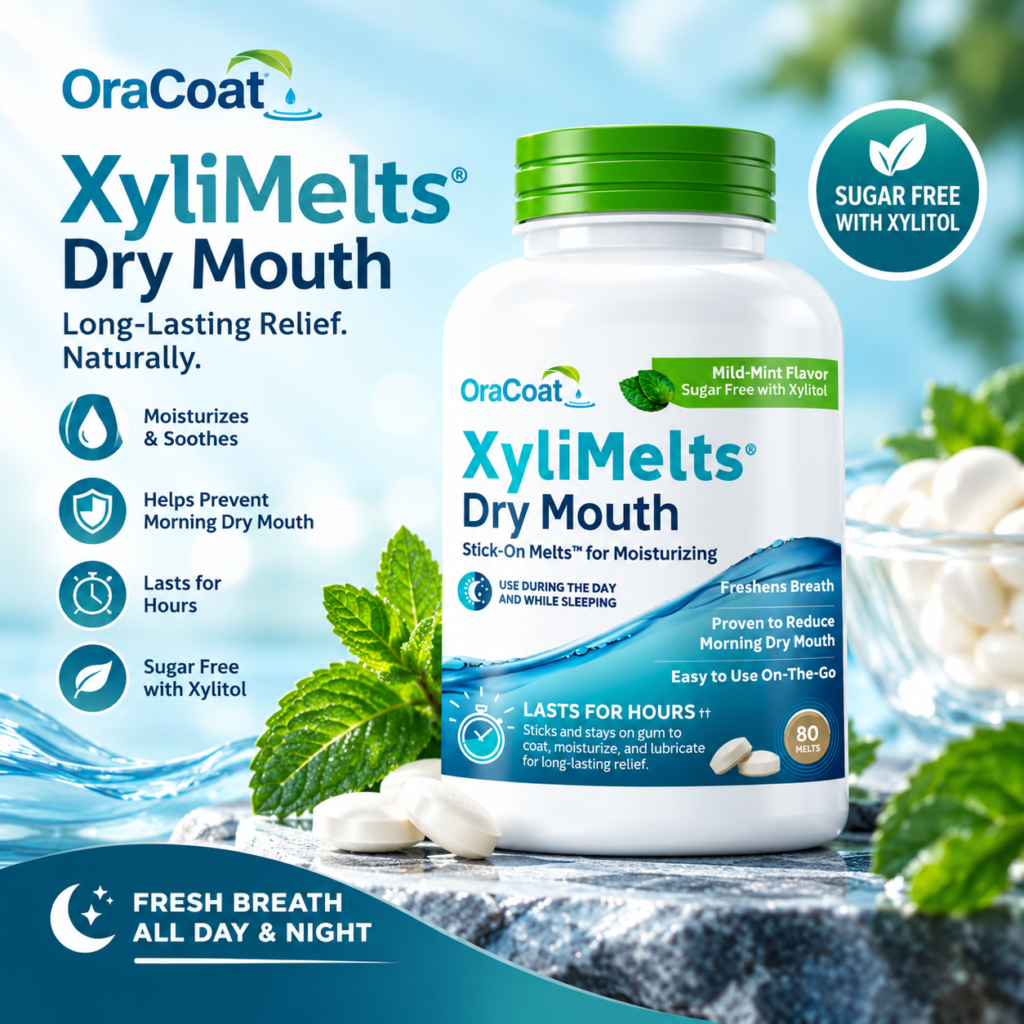
OraCoat XyliMelts Dry Mouth Relief offers a different approach to managing persistent oral dryness, replacing the short application cycle of conventional moisturizing mouth sprays with a slow-dissolving, adhesive oral disc designed to remain in place for hours.
Unlike traditional dry mouth sprays that deliver a small amount of liquid and may require repeated application, XyliMelts use patented oral-adhering technology to gradually release xylitol and lubricating ingredients against the teeth and gums.
The result is a discreet, sugar-free dry mouth relief product designed for extended oral comfort, particularly during sleep when natural salivary flow is typically at its lowest.
At the center of the formulation is xylitol, a non-fermentable sugar alcohol widely investigated for its potential benefits in oral health. Each standard XyliMelts disc contains approximately 550 mg of xylitol, combined with cellulose gum, acacia gum, and buffering ingredients that help create a gradually dissolving, moisture-supporting system.
What makes OraCoat XyliMelts especially interesting is the interaction between the product’s slow-release design and the physiology of xerostomia.
During sleep, salivary secretion naturally decreases. For people experiencing medication-related dry mouth, mouth breathing, CPAP-associated dryness, or reduced salivary gland function, this decline can become particularly uncomfortable.
XyliMelts are designed to adhere to the outer gumline near a molar, gradually dissolving while providing lubrication and a mild flavor sensation.
The manufacturer advertises approximately 4–8 hours of overnight relief, although the duration varies depending on salivary conditions and individual use.
Clinical research published in 2012 and 2026 provides evidence that XyliMelts may improve perceived nighttime oral moisture and reduce discomfort. However, this evidence does not establish that the discs restore normal salivary gland function or cure the underlying cause of chronic xerostomia.
For consumers comparing the best dry mouth spray alternatives, XyliMelts are particularly compelling because their application system is designed around prolonged contact rather than repeated mist delivery.
- LONG-LASTING RELIEF: Experience up to 8 hours of dry mouth care with OraCoat XyliMelts. These discs attach to gums or te…
- NATURALLY SUGAR-FREE: XyliMelts incorporate Xylitol, a key ingredient in dry mouth products that enhances saliva flow fo…
- NON-ACIDIC FORMULA: Formulated with a pH of 8, XyliMelts neutralize acids, improve oral health, and offer a mouth moistu…
What Are XyliMelts and How Do They Work?
XyliMelts are oral-adhering moisturizing discs, sometimes described as stick-on melts or slow-release dry mouth lozenges.
Unlike ordinary lozenges that move freely around the mouth, XyliMelts have a two-sided structure.
The tan adhesive side attaches to the outside of a molar or adjoining gum, while the white side faces the cheek and gradually dissolves.
This positioning is important because it allows the product to remain relatively stationary instead of requiring repeated sucking, chewing, or repositioning.
The mechanism involves three complementary processes.
1. Gradual release of xylitol
Each standard disc contains approximately 550 mg of xylitol.
As the disc dissolves, xylitol is gradually released into the oral environment.
Xylitol provides sweetness without being readily fermented by major cavity-associated bacteria, making it a useful alternative to conventional sugar in products intended for prolonged oral contact.
The mild sweet taste may also stimulate salivary activity in people who retain some functional saliva production.
However, the extent of saliva stimulation varies, and clinical studies have not consistently demonstrated significant increases in objectively measured flow.
2. Sustained oral lubrication
Cellulose gum acts as a lubricating and moisture-associated ingredient.
As the disc dissolves, the formulation can help coat oral surfaces and reduce the uncomfortable sensation of a dry or sticky mouth.
This prolonged local exposure is particularly relevant at night, when waking repeatedly to drink water may disrupt sleep.
3. Adhesive slow-release delivery
Acacia gum helps the disc adhere to the teeth or adjoining gums.
The adhesive design allows the ingredients to remain in contact with the oral environment over an extended period.
The manufacturer describes relief lasting several hours, particularly during overnight use.
HydroPaste Scientific Perspective: The defining advantage of XyliMelts is not simply that they contain xylitol. It is the combination of xylitol, lubricating ingredients, and prolonged oral contact through a slow-dissolving adhesive system.
For people with persistent nighttime dryness, this can provide a different experience from a conventional oral spray that must be reapplied when moisture-related comfort diminishes.
XyliMelts Ingredients: What Makes the Formula Different?
The standard OraCoat XyliMelts Dry Mouth formula uses a relatively short ingredient list centered on xylitol, natural gums, and buffering compounds.
| Key ingredient | Primary function | Oral care relevance |
|---|---|---|
| Xylitol | Sugar-free sweetener | Provides prolonged sweetness without the acid production associated with fermentable sugar |
| Acacia gum | Natural adhesive | Helps the disc remain attached to teeth or gums |
| Cellulose gum | Lubricating and moisture-supporting ingredient | Contributes to oral coating and temporary moisture-related comfort |
| Magnesium stearate | Manufacturing and processing ingredient | Supports disc formation and consistency |
| Sodium bicarbonate | Buffering ingredient | Contributes to the product’s alkaline formulation |
| Calcium carbonate | Mineral and buffering ingredient | Supports formulation structure and acid-buffering properties |
| Natural mint flavor | Flavoring, in applicable versions | Provides mild breath freshness |
The ingredient list reflects the manufacturer’s standard XyliMelts formulations. Flavoring and some product details may vary by version.
HydroPaste Ingredient Insight: Xylitol, cellulose gum, and acacia gum perform different but complementary functions.
Xylitol provides a sugar-free flavor stimulus; cellulose gum helps maintain lubrication; and acacia gum supports adherence to oral surfaces.
This distinction matters because relief from xerostomia does not necessarily require increasing the actual amount of saliva produced.
Sometimes, maintaining moisture against the oral tissues and improving lubrication can reduce discomfort even when salivary gland output remains unchanged.
Are XyliMelts Safe? Safety, Side Effects, and Overnight Use
One of the most important questions consumers ask is: Are XyliMelts safe to use every day and while sleeping?
For most people who can safely use oral-adhering products and follow the manufacturer’s directions, XyliMelts are generally well tolerated.
The standard formulation contains xylitol and other ingredients commonly used in food or oral care products.
However, the safety of XyliMelts for dry mouth depends on correct placement, individual tolerance, swallowing ability, and the amount consumed.
1. Are XyliMelts safe to use while sleeping?
OraCoat specifically designs XyliMelts for overnight use.
The manufacturer instructs users to adhere the tan side to the outer gumline near a molar, with the white side facing the cheek.
The product should not be placed on the roof of the mouth, where tongue movement may dislodge it.
Correct attachment helps reduce movement, but no oral disc is completely free of the possibility of becoming loose.
People with swallowing difficulties, aspiration risk, impaired awareness, or conditions that could make accidental dislodgement dangerous should obtain professional advice before overnight use.
2. Can XyliMelts cause stomach problems?
Xylitol is generally tolerated in modest amounts, but excessive consumption can produce gastrointestinal effects.
Possible symptoms include:
- Bloating.
- Increased intestinal gas.
- Abdominal discomfort.
- Loose stools or diarrhea.
These effects occur because sugar alcohols may be incompletely absorbed and can influence water movement within the intestine.
OraCoat advises first-time users not to exceed ten standard discs on the first day, partly because of gastrointestinal tolerance. This is manufacturer guidance, not a recommended daily target.
3. Can XyliMelts irritate gums?
A small number of users may experience sensitivity to the acacia-based adhesive.
Possible signs include local gum irritation, soreness, or discomfort around the attachment site.
If irritation develops, discontinue the product and consider professional advice. OraCoat also describes an acacia-free formulation for users sensitive to the standard adhesive.
4. Are XyliMelts safe for children?
The manufacturer warns against use in children younger than five years because of choking risk.
Older children should use the product only when capable of following application instructions and when its use is age-appropriate.
5. Are XyliMelts toxic to pets?
Yes, the xylitol contained in XyliMelts is highly dangerous to dogs.
Even relatively small amounts of xylitol can cause serious poisoning in dogs, including severe hypoglycemia.
Store XyliMelts securely away from pets. If a dog consumes the product, contact a veterinarian or animal poison-control service immediately.
Safety verdict: XyliMelts have a reasonable tolerability profile when used correctly, but they are not risk-free. Proper placement, age restrictions, ingredient sensitivities, swallowing safety, and xylitol exposure all deserve consideration.
Do XyliMelts Really Work? What Clinical Research Shows
Unlike many breath-freshening products supported mainly by ingredient-level evidence, OraCoat XyliMelts have been evaluated in published human clinical studies.
This is an important distinction when assessing their relevance to nighttime xerostomia.
2012 Clinical Study: Nighttime Oral Dryness
A study published in the International Journal of Dental Hygiene evaluated XyliMelts in 15 individuals reporting morning oral dryness.
Participants were assessed without treatment and again after using the oral-adhering discs overnight.
Researchers observed improvements in perceived oral wetness and discomfort.
The study reported more than a threefold increase in perceived oral wetness scores during XyliMelts use.
However, its small sample size and lack of a randomized placebo-controlled design limit the strength of the conclusions.
2026 Randomized Crossover Trial: Post-Radiotherapy Xerostomia
A more recent clinical study, published in Clinical Oral Investigations in February 2026, evaluated XyliMelts in 33 people experiencing persistent dry mouth following radiation treatment for head and neck cancer.
Participants used XyliMelts during one treatment period and water during another.
The researchers examined perceived oral dryness, sleep interruptions, tolerability, and objectively measured saliva production.
The results provide particularly useful evidence for understanding how these discs work.
| Clinical outcome | XyliMelts | Water comparison |
|---|---|---|
| Participants reporting meaningful dry-mouth relief | 76% | 24% |
| Participants reporting relief from dry-mouth-related nighttime waking | Approximately 67% | Approximately 9% |
| Objective salivary flow improvement | No significant change | No significant change |
| Overall tolerability | Generally favorable | — |
Results reflect the specific study population and trial design. They are not guaranteed outcomes for every XyliMelts user.
The most significant finding is the distinction between subjective relief and physiological saliva production.
Participants reported better comfort and fewer sleep interruptions, even though the researchers did not detect significant improvements in salivary flow.
This suggests that the primary benefit may involve sustained lubrication and local moisture-related comfort rather than restoration of damaged salivary glands.
The study was relatively small, lasted only one week per treatment period, and used water rather than an identical placebo disc as its comparator.
Nevertheless, it provides meaningful clinical support for XyliMelts as a supplementary option for nighttime dry-mouth symptom management.
How Long Do XyliMelts Last in the Mouth?
One of the major advantages advertised for XyliMelts dry mouth relief discs is their extended dissolution time.
OraCoat describes approximately four to eight hours of overnight relief, depending on salivary flow and individual conditions.
During the day, discs may dissolve more quickly because eating, drinking, talking, and increased saliva movement can influence their retention.
The actual duration varies, and prolonged contact does not guarantee continuous symptom relief for every user.
| Application period | Expected performance |
|---|---|
| Daytime | Gradual dissolution; duration varies with oral activity and moisture |
| Overnight | Manufacturer advertises approximately 4–8 hours |
| Immediately after placement | Adhesive contact and gradual ingredient release begin |
| While sleeping | Continued dissolution may provide prolonged oral lubrication |
| With significant salivary dysfunction | Comfort may improve without measurable restoration of saliva production |
A longer-lasting product can be useful for people who find themselves repeatedly reaching for water or moisturizing spray during the night.
However, it should not be assumed that every disc will remain attached for the full advertised period.
XyliMelts vs. Dry Mouth Spray: Which Is Better?
The choice between XyliMelts and a conventional dry mouth spray depends largely on the desired duration of relief, convenience, and individual preferences.
Both product categories aim to reduce the discomfort associated with oral dryness, but they use different delivery systems.
| Evaluation factor | OraCoat XyliMelts | Conventional Dry Mouth Spray |
|---|---|---|
| Product format | Oral-adhering disc | Liquid mist |
| Application | Attaches to gumline or tooth | Sprayed into the mouth |
| Moisture delivery | Gradual dissolution and lubrication | Immediate liquid application |
| Duration | Designed for several hours | Depends on formulation and application |
| Overnight use | Specifically designed for sleeping | Usually requires active reapplication |
| Xylitol | Approximately 550 mg per standard disc | Product-dependent |
| Mechanical retention | Adhesive attachment | No attachment required |
| Swallowing concerns | Requires special consideration | Different risks depending on product |
| Main advantage | Sustained comfort without repeated applications | Immediate, convenient wetting |
| Main limitation | Attachment and tolerance requirements | May require frequent reapplication |
HydroPaste Editorial Insight: XyliMelts are especially interesting when dry mouth becomes a nighttime problem.
A moisturizing spray can provide immediate wetting before bed, but it cannot be reapplied by someone who remains asleep.
An oral-adhering disc is specifically designed to address that limitation.
However, sprays may be more appropriate for individuals who cannot safely retain a disc in the mouth.
XyliMelts for Dry Mouth While Sleeping
Nighttime dry mouth is one of the strongest use cases for XyliMelts.
Saliva production naturally decreases during sleep, even in people without salivary gland disorders.
For individuals already experiencing reduced salivary flow, the nighttime decline can become particularly uncomfortable.
Common symptoms include:
- Waking with a dry or sticky mouth.
- Needing water repeatedly during the night.
- Difficulty swallowing comfortably upon waking.
- Dry lips, tongue, or throat.
- Unpleasant morning breath.
- Oral discomfort that interrupts sleep.
XyliMelts aim to improve nighttime comfort through prolonged local lubrication.
The 2026 controlled study provides evidence that the product can reduce reported symptoms and sleep interruptions in patients with radiotherapy-associated xerostomia.
Nevertheless, users should avoid interpreting nighttime dryness as a condition that can always be solved by an oral moisturizer.
Persistent symptoms may reflect medication effects, mouth breathing, nasal obstruction, salivary gland disease, or other factors requiring evaluation.
Are XyliMelts Good for CPAP Dry Mouth?
People using continuous positive airway pressure (CPAP) therapy sometimes experience oral dryness, particularly when air escapes through the mouth.
This may occur with mouth breathing, mask leakage, inadequate humidification, or other equipment-related factors.
XyliMelts for CPAP dry mouth are marketed as a possible supplementary option because they provide moisture-related comfort without requiring repeated applications overnight.
However, their use should not replace management of the cause of the dryness.
For CPAP users, appropriate strategies may include adjusting humidification, reviewing mask fit, evaluating leaks, and discussing persistent symptoms with a sleep specialist.
Because XyliMelts remain inside the mouth during sleep, people using oral appliances or experiencing swallowing difficulties should confirm that the discs can be used safely with their treatment setup.
The most appropriate role for XyliMelts is supplementary oral comfort alongside properly managed CPAP therapy.
Do XyliMelts Increase Saliva Production?
Xylitol-containing products may stimulate salivary secretion through oral taste and sensory stimulation.
This is one reason sugar-free chewing gum and lozenges are commonly recommended for individuals with residual salivary gland function.
However, stimulating saliva and relieving the feeling of dry mouth are not the same outcome.
A person may feel less dryness because an oral product coats and lubricates the tissues, even if actual saliva production remains unchanged.
The 2026 XyliMelts clinical trial demonstrated precisely why this distinction matters.
Although participants experienced greater subjective relief, researchers did not identify statistically significant improvements in measured salivary flow.
Therefore, it would be inaccurate to describe XyliMelts as clinically proven to restore saliva production in people with damaged or severely impaired salivary glands.
The stronger conclusion is that XyliMelts may provide sustained symptomatic relief through slow-release moisture support and lubrication.
Can XyliMelts Help Prevent Cavities?
Persistent dry mouth can substantially increase the risk of tooth decay.
Saliva plays several important protective roles, including:
- Clearing food particles and sugars from oral surfaces.
- Neutralizing acids produced by plaque bacteria.
- Delivering calcium and phosphate ions.
- Helping maintain an environment favorable to enamel mineral balance.
- Supporting the natural protective functions of the oral cavity.
When saliva becomes insufficient, these functions can become compromised.
The xylitol in OraCoat XyliMelts provides an additional oral care consideration.
Unlike sucrose, xylitol is not readily metabolized into acid by major cavity-associated bacteria.
This makes it preferable to sugar-containing sweets for people who need frequent oral moisture stimulation.
The formulation also includes sodium bicarbonate and calcium carbonate, which contribute to its buffered properties. OraCoat advertises a formulation pH of approximately 8.
However, the presence of these ingredients does not establish that XyliMelts independently remineralize early enamel lesions or prevent cavities at a clinically demonstrated rate.
The strongest dental-health rationale is that the discs avoid fermentable sugar while providing prolonged oral comfort.
HydroPaste Recommendation: People with persistent dry mouth should maintain a dentist-recommended cavity-prevention routine, including appropriate fluoride exposure, interdental cleaning, and regular professional assessment.
XyliMelts may support comfort, but they cannot fully replace the protective functions of healthy saliva.
XyliMelts for Medication-Induced Dry Mouth and Sjögren Disease
Persistent xerostomia can arise from several medical conditions and treatments.
Common contributors include medications with anticholinergic effects, certain antidepressants, antihistamines, head and neck radiation, and autoimmune diseases affecting salivary glands.
Medication-induced dry mouth
Some medications reduce salivary secretion by influencing the neural pathways that control salivary gland activity.
XyliMelts may provide temporary symptomatic relief, but they do not reverse the medication’s physiological effects.
Medication changes should only be considered with the prescribing clinician.
Sjögren disease
Sjögren disease is an autoimmune condition that can damage salivary glands and produce persistent oral dryness.
XyliMelts may offer supplementary lubrication, although they cannot restore damaged gland tissue.
Specialist management is important because severe salivary dysfunction can increase the risk of dental decay and oral infection.
Post-radiotherapy xerostomia
Radiation treatment involving the head and neck can cause long-lasting salivary gland impairment.
This is particularly relevant because the 2026 XyliMelts trial specifically investigated patients experiencing xerostomia after head and neck radiation.
The findings suggest that oral-adhering discs may improve perceived nighttime comfort in this population without restoring objectively measured salivary output.
Across these conditions, XyliMelts should be understood as a symptom-management option rather than a cure for salivary gland disease.
How to Use XyliMelts Correctly
Correct placement is essential for both comfort and safe overnight use.
Manufacturer-recommended application:
- Remove one XyliMelt from its packaging. Identify the tan adhesive side and white dissolving side.
- Position the tan side against the outer gumline. Place it beside a molar or against the adjoining gum, on either the upper or lower jaw.
- Keep the white side facing the cheek. This allows the dissolving surface to remain exposed to the oral environment.
- Hold the disc in position with your tongue. Gently press it into a comfortable position.
- Avoid moving the disc for approximately 10 seconds. This gives the adhesive time to attach.
- Allow it to dissolve gradually. Do not chew the disc or repeatedly reposition it.
For overnight use, some manufacturer packaging recommends two discs, one on each side of the mouth.
The exact quantity should follow the directions on the package purchased.
Do not attach the disc to the roof of the mouth, where tongue movements may increase the likelihood of dislodgement.
If a disc does not attach securely or causes discomfort, do not continue using it while sleeping until the issue has been resolved.
How Many XyliMelts Can You Use Per Day?
OraCoat XyliMelts can be used as needed according to the manufacturer’s instructions.
However, frequency should take xylitol tolerance into account.
Each standard disc supplies approximately 550 mg of xylitol.
| Number of discs | Approximate xylitol exposure |
|---|---|
| 1 disc | 550 mg |
| 2 discs | 1,100 mg |
| 4 discs | 2,200 mg |
| 6 discs | 3,300 mg |
| 10 discs | 5,500 mg |
These figures describe xylitol quantity, not recommended daily dosing.
OraCoat advises new users not to exceed ten discs on their first day because larger xylitol exposures can cause gastrointestinal discomfort in susceptible individuals.
This advice should not be interpreted as a requirement to consume ten discs, nor as proof that this amount is suitable for everyone.
People with sensitive digestive systems may prefer to begin with fewer discs and assess tolerance.
Users should also account for xylitol consumed from chewing gum, lozenges, toothpaste, and other products when considering their overall exposure.
XyliMelts vs. Xylitol Gum: Which Is Better for Dry Mouth?
Xylitol chewing gum and oral-adhering XyliMelts share an important ingredient, but their application methods differ.
Chewing gum produces mechanical stimulation that can increase salivary secretion when the salivary glands retain adequate function.
XyliMelts do not require continuous chewing.
Instead, they gradually dissolve while remaining attached to the gumline or tooth.
| Feature | XyliMelts | Xylitol Chewing Gum |
|---|---|---|
| Main delivery method | Slow-release adhesive disc | Continuous or intermittent chewing |
| Mechanical saliva stimulation | Minimal | Yes |
| Xylitol exposure | Gradual | Depends on product and chewing time |
| Overnight suitability | Designed for appropriate overnight use | Not suitable for chewing while sleeping |
| Daytime convenience | Discreet attachment | Requires chewing |
| Jaw movement | Not required | Repetitive movement required |
| Main benefit | Sustained lubrication and comfort | Saliva stimulation while chewing |
For people with residual salivary function who want daytime stimulation, sugar-free chewing gum may be useful.
For individuals seeking extended moisture-related comfort during sleep, XyliMelts may provide a more practical application system.
Neither product category should be considered a replacement for professional management of severe salivary gland dysfunction.
For individuals exploring alternatives to oral-adhering dry mouth discs, sugar-free chewing gum offers a different approach to managing oral dryness. Unlike XyliMelts, which gradually release lubricating ingredients while attached to the gumline, xylitol-containing chewing gum stimulates saliva production through repetitive chewing and taste stimulation. This makes it particularly relevant for daytime xerostomia management in people with functioning salivary glands. Certain dental gums also contain ingredients such as hydroxyapatite or calcium-based compounds, although their enamel remineralization benefits depend on the formulation and supporting clinical evidence. For people seeking prolonged nighttime comfort, however, XyliMelts may be more practical because they do not require continuous chewing.
XyliMelts Product Specifications
| Product detail | OraCoat XyliMelts |
|---|---|
| Product type | Oral-adhering dry mouth discs |
| Manufacturer | OraCoat |
| Main ingredient | Xylitol |
| Xylitol per standard disc | Approximately 550 mg |
| Adhesive ingredient | Acacia gum |
| Lubricating ingredient | Cellulose gum |
| Buffered formulation | Manufacturer advertises pH approximately 8 |
| Flavor options | Mild Mint and Slightly Sweet, depending on market |
| Overnight duration | Manufacturer advertises approximately 4–8 hours |
| Sugar-free | Yes |
| Alcohol-free | Yes |
| Vegan formulation | Manufacturer states yes |
| Available pack sizes | Includes 40-count and 80-count formats |
| Main application | Daytime and nighttime dry mouth relief |
| Main limitation | Symptomatic relief without proven restoration of salivary gland function |
Specifications refer to the standard product and may vary across regional versions.
XyliMelts: Advantages and Limitations
Why it stands out
- Slow-release adhesive technology: Provides an alternative to repeated mouth spray applications.
- Designed for nighttime use: Particularly relevant when oral dryness disrupts sleep.
- Approximately 550 mg of xylitol per disc: Supplies sugar-free sweetness without conventional sugar fermentation.
- Sustained lubrication: Cellulose gum contributes to moisture-related comfort as the disc dissolves.
- Published clinical research: Studies from 2012 and 2026 provide product-specific evidence for improvement in perceived nighttime dryness.
- Discreet application: Small discs can remain attached without continuous chewing.
- Sugar-free and alcohol-free: Avoids ingredients that may be undesirable in some dry mouth routines.
- Buffered formulation: Includes sodium bicarbonate and calcium carbonate.
- Multiple pack sizes: Suitable for occasional or regular use, depending on individual needs.
Potential drawbacks
- Does not cure xerostomia or restore damaged salivary glands.
- Clinical studies have not consistently demonstrated increased measured saliva production.
- Discs may become detached, making proper placement and swallowing safety important.
- Xylitol can cause digestive discomfort when consumed in excessive amounts.
- Acacia gum may irritate the gums of sensitive users.
- Not recommended for children younger than five because of choking risk.
- May not be suitable for people with significant swallowing difficulties or aspiration risk.
- Relief duration varies and is not guaranteed.
- Does not replace fluoride-based cavity prevention or professional dental treatment.
- Contains xylitol, which is highly toxic to dogs.
Who Should Choose OraCoat XyliMelts?
Best suited for: Individuals experiencing persistent dry mouth, particularly when symptoms worsen during sleep or require frequent moisture-related comfort throughout the day.
People with nighttime xerostomia
XyliMelts are particularly relevant for users who wake with a dry, sticky mouth and find that conventional sprays do not provide sufficiently prolonged relief.
Individuals using CPAP therapy
Users experiencing CPAP-associated dryness may find slow-release oral lubrication helpful as a supplementary measure, provided overnight use is appropriate and safe for them.
People with medication-related dry mouth
Those experiencing reduced salivary flow as a medication side effect may benefit from temporary oral comfort while continuing appropriate medical management.
Individuals with post-radiotherapy xerostomia
The 2026 randomized crossover trial provides directly relevant clinical evidence for this population.
Adults who dislike frequent mouth spray applications
The adhesive disc format offers a potentially convenient alternative to repeatedly applying liquid oral moisturizers.
People who prefer sugar-free oral products
XyliMelts contain xylitol rather than conventional sugar, which is especially relevant when dry mouth increases concern about dental decay.
Less suitable for: People with significant swallowing difficulties, individuals unable to secure the disc comfortably, young children, and anyone experiencing irritation or intolerance to the product’s ingredients.
Final recommendation: An evidence-supported, slow-release oral moisturizing option for people experiencing persistent nighttime dry mouth. Particularly relevant for adults seeking prolonged oral comfort, including selected patients with post-radiotherapy xerostomia or CPAP-associated dryness. Best used as part of a broader dry-mouth management plan, not as a substitute for diagnosis or treatment of the underlying condition.
Comparison Chart
| Feature | Mouth Spray | Electric Mouth Spray | XyliMelts |
|---|---|---|---|
| Speed | ⭐⭐⭐⭐⭐ | ⭐⭐⭐⭐ | ⭐⭐ |
| Portability | ⭐⭐⭐⭐⭐ | ⭐⭐⭐ | ⭐⭐⭐⭐ |
| Duration | ⭐⭐⭐ | ⭐⭐⭐⭐ | ⭐⭐⭐⭐⭐ |
| Precision | ⭐⭐⭐⭐⭐ | ⭐⭐⭐⭐⭐ | ⭐⭐⭐ |
| Medical Use | ⭐⭐⭐⭐ | ⭐⭐⭐⭐ | ⭐⭐⭐⭐⭐ |
| Best Use Case | Instant fresh breath | Advanced oral hygiene | Severe dry mouth relief |
Who Should Use Mouth Spray?
- Frequent coffee or smokers
- Public-facing professionals
- Travelers & commuters
- People with braces or aligners
- Dry mouth sufferers
- Patients with oral irritation
While choosing the right mouth spray is critical, it’s only one part of full dental hygiene system
Benefits
- ✔ Instant breath freshness
- ✔ Pocket-sized convenience
- ✔ Targets bacteria directly
- ✔ Helps with dry mouth
- ✔ Medical relief (Aloclair)
Cost Expectations
| Tier | Price Range | What You Get | Best For |
|---|---|---|---|
| Budget | $3–$8 | Basic mint-based freshness, quick odor masking | Quick social use, occasional freshness |
| Mid-range | $10–$20 | Improved ingredients, longer-lasting breath control, alcohol-free options | Daily use, better oral care routine |
| Medical | $15–$30 | Targeted treatment (ulcers, dry mouth, irritation), therapeutic benefits | Oral conditions, sensitive users |
| Premium (Electric Mouth Freshener) | $30–$80+ | Smart micro-mist delivery, rechargeable device, consistent coverage | Tech users, long-term oral hygiene upgrade |
Risks & Considerations
- Alcohol-based sprays can worsen dryness
- Temporary solution (not root cure)
- Overuse may mask deeper issues
- Some ingredients may irritate sensitive users
Frequently Asked Questions (FAQs)
1. Does TheraBreath Have Fluoride?
Some TheraBreath products contain fluoride, while others are fluoride-free. TheraBreath Fresh Breath Oral Rinse (Mild Mint) does not list fluoride, but TheraBreath Anticavity Oral Rinse contains sodium fluoride for cavity prevention and enamel strengthening. TheraBreath Complete Oral Rinse and certain TheraBreath toothpastes also contain fluoride.
The historical TheraBreath Fresh Breath Throat Spray formula does not list fluoride and is intended for breath freshening rather than enamel remineralization.
Always check the specific TheraBreath product label because the brand offers different formulations for bad breath, dry mouth, and cavity protection.
2. Does TheraBreath Work for Bad Breath?
Yes, TheraBreath can help control bad breath, particularly when oral malodor is associated with volatile sulfur compounds (VSCs) produced by oral bacteria. TheraBreath Fresh Breath products use sodium chlorite, while certain formulations also contain zinc compounds that can interact with sulfur-related odors.
TheraBreath Fresh Breath Oral Rinse has clinical support for breath control. However, results from its mouthwash should not automatically be applied to the separate TheraBreath breath spray.
For persistent halitosis, TheraBreath works best as a supplement to toothbrushing, tongue cleaning, interdental hygiene, and professional dental care—not as a permanent cure.
3. Which TheraBreath Is Best for Bad Breath, Dry Mouth, and Cavities?
The best TheraBreath product depends on your primary oral health concern. TheraBreath Fresh Breath Oral Rinse targets bad breath, while the Dry Mouth Oral Rinse focuses on oral moisture and comfort. For cavity prevention, fluoride-containing TheraBreath Anticavity Oral Rinse is more appropriate.
| TheraBreath product | Main purpose | Fluoride |
|---|---|---|
| Fresh Breath Oral Rinse | Bad breath control | No, in the referenced Mild Mint formula |
| Fresh Breath Throat Spray | Portable breath freshness | Not listed |
| Dry Mouth Oral Rinse | Dry mouth comfort | Not listed |
| Anticavity Oral Rinse | Cavity prevention and enamel support | Yes |
| Complete Oral Rinse | Multiple oral care benefits, including cavity prevention | Yes |
HydroPaste recommendation: Choose TheraBreath based on the condition you want to manage rather than assuming every formula provides identical benefits. Check current availability and packaging before purchasing.
4. Does TheraBreath Have Alcohol?
The referenced TheraBreath mouthwashes and historical Fresh Breath Throat Spray are alcohol-free. TheraBreath Fresh Breath Oral Rinse, Dry Mouth Oral Rinse, and Anticavity Oral Rinse do not list ethanol in their published formulas.
Alcohol-free breath fresheners may be more comfortable for individuals who experience burning or irritation with conventional alcohol-containing mouthwashes.
However, alcohol-free does not mean completely non-irritating. Mint flavorings and other ingredients can still cause discomfort in sensitive users.
For people experiencing dry mouth alongside bad breath, an alcohol-free TheraBreath product may be preferable to a strongly flavored, ethanol-containing breath spray.
5. Can You Drink Water With XyliMelts in Your Mouth?
Yes, you can generally sip water while wearing XyliMelts, provided the oral-adhering disc remains securely attached and you can swallow normally.
OraCoat XyliMelts are designed to dissolve gradually, and the manufacturer acknowledges that drinking, eating, and mouth movement can influence their dissolution time.
After placing a XyliMelt, avoid moving it with your tongue for approximately 10 seconds to allow proper adhesion.
Drinking water may shorten the disc’s effective duration, particularly with frequent sipping. If the disc becomes loose, do not continue using it while sleeping.
For people managing xerostomia, combining careful hydration with XyliMelts may improve comfort without relying exclusively on either approach.
6. Do XyliMelts Cause Tooth Decay or Cavities?
XyliMelts are not expected to cause tooth decay through sugar fermentation because their principal sweetener, xylitol, is not readily converted into enamel-damaging acids by major cavity-associated bacteria.
OraCoat XyliMelts also contain sodium bicarbonate and calcium carbonate in a buffered formulation advertised at approximately pH 8.
However, this does not establish XyliMelts as a clinically proven cavity-prevention treatment.
Individuals with chronic dry mouth remain at increased risk of dental caries because reduced saliva compromises natural cleaning, buffering, and remineralization.
XyliMelts can complement an oral care routine, but they should not replace fluoride toothpaste, interdental cleaning, or professional cavity-prevention strategies.
7. Are XyliMelts Safe to Use Every Day and While Sleeping?
XyliMelts are generally well tolerated when used as directed, including overnight, but correct placement and individual health considerations are essential.
The manufacturer recommends attaching the tan adhesive side to the outside of a molar or adjoining gum, with the white side facing the cheek.
Potential XyliMelts side effects include gastrointestinal discomfort from excessive xylitol consumption and occasional gum irritation from acacia gum.
People with swallowing difficulties or aspiration risk should seek professional advice before overnight use. The product is not recommended for children under five because of choking concerns.
Important: Xylitol is highly toxic to dogs. Keep all XyliMelts products away from pets.
8. Are XyliMelts Bad for Your Teeth or Gums?
XyliMelts are not inherently bad for teeth or gums when used correctly. Their sugar-free xylitol formulation avoids the acid production associated with conventional sugary lozenges, while the slow-dissolving disc provides temporary oral lubrication.
However, some users may experience localized gum irritation from the acacia adhesive, particularly with repeated application to the same area.
If soreness develops, stop using the product and consider an alternative formulation.
XyliMelts do not replace the mineral protection normally provided by saliva, nor do they treat gum disease or existing cavities.
For long-term dental protection, maintain regular brushing, flossing, and fluoride exposure appropriate to your individual cavity risk.
9. What Is the Best Mouth Spray for Bad Breath in 2026?
TheraBreath Fresh Breath Throat Spray and CloSYS Hydrating Oral Spray are two ingredient-focused options for bad breath, although direct comparative clinical evidence is insufficient to declare either universally superior.
TheraBreath’s historical throat spray formula combines sodium chlorite and zinc gluconate, while CloSYS uses stabilized chlorine dioxide in an alcohol-free, pH-balanced formulation.
Listerine Pocketmist Cool Mint is another convenient option for instant freshness, particularly for consumers who prefer an intense mint sensation.
For an everyday botanical formula, ORL Fresh Mint Breath Spray offers xylitol and a neutral-pH positioning.
The best breath spray depends on whether your priority is odor control, gentle formulation, portability, or budget.
10. What Is the Best Oral Spray for Sensitive Teeth, Mouth Ulcers, and Dry Mouth?
Different oral conditions require different products. CariSpray contains nano-hydroxyapatite for supplementary enamel and sensitivity support, while Aloclair Plus Spray forms a protective film over painful mouth ulcers.
For occasional dry mouth, a hydrating oral spray may provide temporary wetting. For prolonged nighttime dryness, OraCoat XyliMelts offer a slow-dissolving alternative.
| Oral health concern | Product to consider | Main function |
|---|---|---|
| Occasional bad breath | TheraBreath | Odor-focused breath freshness |
| Gentle oral freshening | CloSYS | Stabilized chlorine dioxide formulation |
| Budget breath freshening | Listerine Pocketmist | Instant mint freshness |
| Natural mint freshness | ORL Fresh Mint | Xylitol and botanical flavoring |
| Smart device convenience | ZDEER | Rechargeable fine-mist delivery |
| Sensitive teeth | CariSpray | Hydroxyapatite-based mineral support |
| Mouth ulcers | Aloclair Plus | Protective bioadhesive film |
| Nighttime dry mouth | OraCoat XyliMelts | Slow-release oral lubrication |
HydroPaste recommendation: Match the product to your primary symptoms. Persistent ulcers, sensitivity, dry mouth, or halitosis require appropriate dental or medical evaluation.
People Also Ask (PAA)
1. How Long Does Breath Spray Last After Application?
Breath spray freshness may last from a brief period to several hours, depending on the formulation, but there is no universal clinically established duration for all mouth sprays.
Mint-focused products such as Listerine Pocketmist prioritize immediate freshness, while CloSYS and TheraBreath use ingredients relevant to sulfur-related oral malodor.
ZDEER advertises extended freshness, but its claimed duration requires independent product-specific verification.
Diet, tongue coating, saliva production, and underlying oral health can all influence how quickly bad breath returns.
For longer-lasting dry mouth comfort rather than breath freshening, OraCoat XyliMelts are designed to dissolve over several hours.
2. Is Breath Spray Better Than Mouthwash for Bad Breath?
Breath spray is more convenient, but mouthwash may provide broader oral coverage. A portable breath spray delivers a small amount of liquid for quick freshness, while mouthwash exposes more oral surfaces to a larger volume during rinsing.
Therapeutic mouthwashes containing appropriate antimicrobial ingredients may help reduce odor-producing bacteria and volatile sulfur compounds.
However, effectiveness depends on the specific formula and supporting clinical evidence.
For daily halitosis management, brushing, flossing, and tongue cleaning remain essential. A breath spray is best used for convenient freshening between regular oral hygiene sessions.
3. Is CloSYS Breath Spray Better Than TheraBreath for Chronic Bad Breath?
CloSYS and TheraBreath use different odor-control formulations, and neither spray has been proven universally superior.
CloSYS Hydrating Oral Spray contains stabilized chlorine dioxide in a water-based, pH-balanced formula. The historical TheraBreath Fresh Breath Throat Spray contains sodium chlorite and zinc gluconate.
Both approaches are relevant to sulfur-based oral malodor, but their precise comparative effectiveness and freshness duration have not been independently established.
CloSYS may appeal to consumers seeking gentle, alcohol-free oral hydration, while TheraBreath offers a zinc-containing formulation.
Persistent bad breath requires identifying the underlying cause rather than repeatedly masking symptoms.
4. Is Listerine Pocketmist Cool Mint Breath Spray Alcohol-Free?
No. Listerine Pocketmist Cool Mint contains alcohol, according to its published ingredient list.
The formula also contains menthol, eucalyptol, and thymol, providing an intense mint sensation alongside ingredients associated with antimicrobial activity.
Listerine reports that Pocketmist kills 99% of germs associated with bad breath under laboratory conditions, but this does not establish equivalent clinical results during ordinary use.
People with sensitive oral tissues, recurrent mouth irritation, or significant dry mouth may prefer an alcohol-free breath spray such as CloSYS or ORL Fresh Mint.
5. Can ZDEER Electric Oral Spray Remove Plaque or Clean Between Teeth?
No, ZDEER Electric Oral Spray is not a replacement for brushing, flossing, or water flossing. Its electronic atomization system disperses a fine oral freshening mist but does not provide the mechanical action required to remove established dental plaque.
The rechargeable device offers convenience, interchangeable cartridges, and controlled mist delivery.
However, these features do not establish improved interdental cleaning or clinically superior bacterial removal.
For braces, aligners, and dental appliances, ZDEER may supplement temporary breath freshness, but dedicated mechanical cleaning tools remain necessary.
6. Can CariSpray Nano-Hydroxyapatite Mouth Spray Repair Tooth Enamel?
CariSpray contains nano-hydroxyapatite, a calcium phosphate mineral investigated for enamel remineralization and tooth sensitivity relief.
Hydroxyapatite particles may adhere to weakened enamel surfaces and help occlude exposed dentinal tubules.
However, evidence from hydroxyapatite toothpastes and gels does not automatically establish equivalent clinical effectiveness for CariSpray.
A nano-hydroxyapatite mouth spray cannot rebuild a broken tooth, reverse advanced erosion, or fill an established cavity.
CariSpray is best considered supplementary enamel-conscious oral care, while established preventive treatments and professional dental care remain essential.
7. Is Aloclair Plus Spray Better Than Numbing Gel for Mouth Ulcers?
Aloclair Plus Spray and numbing gels manage mouth ulcer discomfort through different mechanisms.
Aloclair Plus forms a bioadhesive protective film that shields sensitive tissue from food, friction, and other irritants.
Numbing gels containing local anesthetics temporarily reduce nerve signaling but do not necessarily protect the ulcer against mechanical irritation.
Aloclair Plus may be preferable for users seeking non-numbing relief or targeted application to hard-to-reach sores.
Neither product treats every cause of recurrent mouth ulcers. Persistent or unusually severe lesions require professional evaluation.
8. What Is Better for Dry Mouth at Night: XyliMelts or a Dry Mouth Spray?
OraCoat XyliMelts may be more convenient for sustained nighttime dry mouth relief, while moisturizing mouth sprays are useful for immediate oral wetting.
XyliMelts attach to the gumline and gradually dissolve, with the manufacturer advertising approximately four to eight hours of overnight relief.
A 2026 randomized crossover study found improvements in reported nighttime dryness and sleep continuity, although measured saliva production did not significantly increase.
Dry mouth sprays do not require an adhesive disc and may be preferable for individuals with swallowing or retention concerns.
The best option depends on symptom severity, personal comfort, and safe product use.
9. Can XyliMelts Help With CPAP Dry Mouth and Mouth Breathing?
XyliMelts may help relieve CPAP-associated dry mouth symptoms, particularly when overnight oral dryness causes discomfort or interrupted sleep.
Their slow-dissolving xylitol and lubricating formulation is intended to maintain temporary oral moisture while the user rests.
However, XyliMelts do not correct CPAP mask leakage, inadequate humidification, nasal obstruction, or persistent mouth breathing.
People experiencing CPAP dry mouth should also review mask fit and humidifier settings with their sleep-care provider.
Individuals with swallowing difficulties or a risk of disc dislodgement should seek professional advice before using XyliMelts overnight.
10. Why Does My Breath Still Smell Bad Even After Using Mouth Spray?
Bad breath may return after mouth spray because the underlying source of oral malodor remains untreated.
Common contributors include bacterial tongue coating, periodontal disease, tooth decay, trapped food debris, and reduced saliva production.
Breath sprays may temporarily mask odors or reduce certain odor-associated compounds, but they cannot remove hardened tartar, treat gum infections, or resolve every cause of halitosis.
Persistent bad breath despite brushing, tongue cleaning, and regular oral hygiene should be evaluated by a dentist.
For dryness-associated odor, managing reduced salivary flow may be more effective than repeatedly applying mint breath spray.
Mouth Spray and Dry Mouth Relief Comparison Chart
The following chart summarizes product purpose rather than clinical effectiveness. A product’s category does not establish that it works better than alternatives without direct comparative evidence.
| Product | Main oral care function | Delivery format | Best practical use |
|---|---|---|---|
| TheraBreath | Sulfur-related breath odor management | Manual spray | Occasional bad breath |
| CloSYS | Breath freshness and temporary moistening | Manual spray | Gentle daily freshening |
| Listerine Pocketmist | Mint freshness and germ-control positioning | Manual spray | Quick post-meal freshness |
| ORL Fresh Mint | Botanical freshness and xylitol-based formulation | Manual spray | Everyday use |
| ZDEER | Electronic delivery of breath-freshening liquid | Rechargeable device | Portable technology-focused use |
| CariSpray | Supplementary hydroxyapatite mineral exposure | Manual spray | Enamel-conscious care |
| Aloclair Plus | Bioadhesive oral lesion protection | Medical oral spray | Minor mouth ulcers |
| XyliMelts | Sustained oral lubrication | Oral-adhering disc | Nighttime xerostomia |
Key takeaway: For temporary bad breath, choose a breath spray based on its ingredients and tolerability. For enamel support, mouth ulcers, and chronic dry mouth, select a product designed for that specific purpose rather than relying on a general-purpose breath freshener.
Calculated from OraCoat’s published 550 mg xylitol content per standard disc. These amounts are ingredient exposure, not recommended doses.
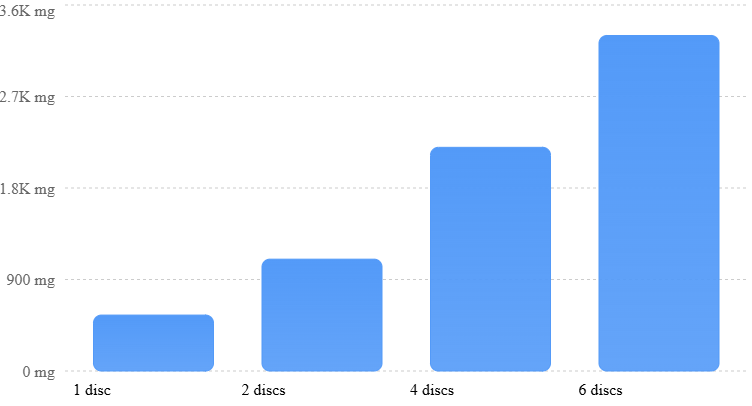
Illustrative totals, not a dosing recommendation
OraCoat recommends correct gumline attachment and advises new users about gastrointestinal tolerance when consuming larger quantities of xylitol. OraCoat+1
Ready to Fix Bad Breath Instantly?
- ✔ Want all-day freshness? → Try TheraBreath
- ✔ Need stronger antibacterial action? → Choose CloSYS
- ✔ Want cheap & effective? → Go with Listerine Pocketmist
- ✔ Treating ulcers or irritation? → Use Aloclair Spray
- ✔ Want quick everyday use? → ORL Fresh Mint Breath Spray
- ✔ Got sensitivity? → CariSpray
- ✔ Want a premium tech upgrade? → ZDEER Electric Oral Spray