Can Enamel Grow Back? Science, Myths & Real Solutions
Affiliate Disclosure
Some links on this page may be affiliate links. Hydropaste may earn a commission at no extra cost to you. This helps support independent research and content.
Tooth enamel is often described as the hardest substance in the human body—yet it is also one of the most vulnerable. Daily exposure to dietary acids, sugar, plaque activity and environmental stressors gradually weakens its mineral structure.
The question “can enamel grow back?” sits at the center of modern oral care innovation. The answer is not a simple yes or no. It depends on whether the enamel is experiencing early-stage mineral loss, surface erosion or irreversible structural damage.
Understanding enamel repair science helps clarify this distinction by examining how saliva, fluoride, hydroxyapatite, calcium and phosphate can support remineralization before a cavity or physical defect develops.
This guide connects clinical science with real-world solutions, helping you understand where enamel regeneration is biologically possible—and where professional restorative treatment becomes necessary.
Quick Picks (Jump)
- What is Enamel & Why It Matters
- Can Enamel Grow Back? (Scientific Answer)
- How Remineralization Works
- Early Tooth Decay Reversal
- Saliva’s Role in Remineralization
- Saliva’s Role in Enamel Repair
- Best Ingredients for Enamel Repair
- Comparison: Fluoride vs Hydroxyapatite
- Costs & Investment
- Risks & Limitations
- Future Trends & Technology
What This Guide Is For
This page is designed to:
- Answer the high-intent query: can enamel grow back
- Help users avoid irreversible damage
- Introduce modern enamel-repair solutions
- Bridge science with practical application
Who Needs This
- People with tooth sensitivity
- Early-stage enamel erosion
- High sugar or acidic diets
- Coffee, soda or citrus consumers
- Biohacking / longevity-focused individuals
What is Enamel & Why It Matters

Enamel is the outermost layer of your teeth. It acts as a protective shield against:
- Acidic foods and beverages
- Bacterial attack
- Temperature sensitivity
- Mechanical wear
Unlike bone, enamel contains no living cells. That single fact defines everything about its ability—or inability—to heal.
Benefits of Enamel Remineralization
- Strengthens tooth structure
- Reduces sensitivity
- Prevents cavities
- Improves tooth appearance
- Supports long-term oral health
👉 Start strengthening your enamel today, explore the full science.
Can Enamel Grow Back?
The Reality
Enamel cannot biologically regrow once fully lost.

However…
👉 It can be repaired and strengthened through a process called remineralization—but only in the early stages of damage.
Key Distinction
| Condition | Can It Heal? | Mechanism |
|---|---|---|
| Early enamel weakening | ✅ Yes | Remineralization |
| Visible erosion | ⚠️ Partial | Surface repair only |
| Cavities / structural loss | ❌ No | Requires dental treatment |
👉 Take action early before irreversible damage begins
How Remineralization Works
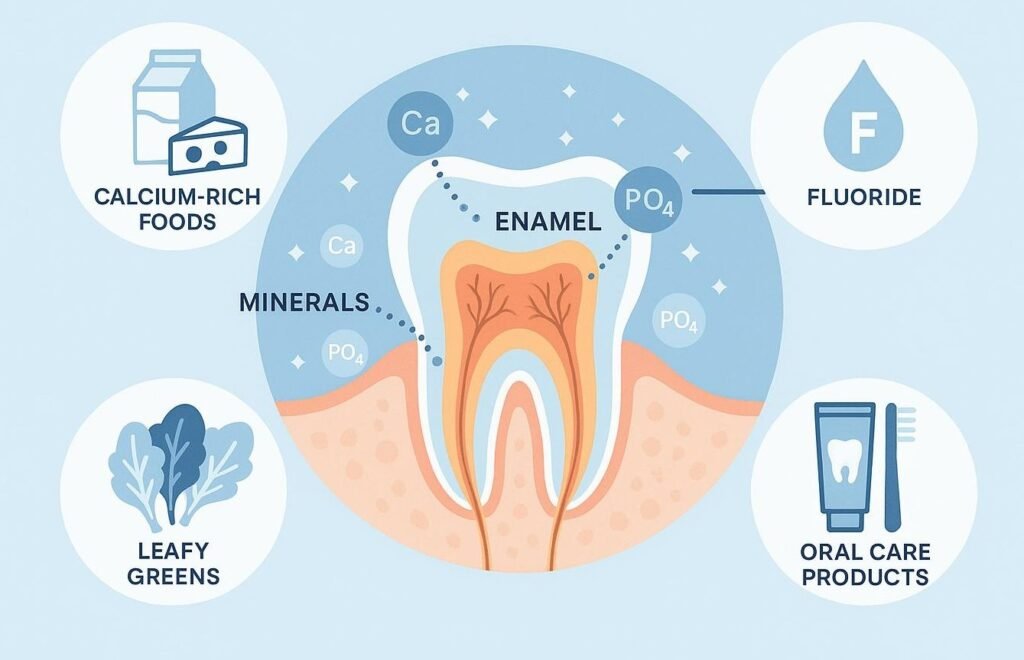
Remineralization is a natural repair process where minerals are redeposited into enamel.
Step-by-Step Mechanism
- Acid weakens enamel → minerals dissolve
- Saliva introduces calcium & phosphate
- Minerals reattach to enamel structure
- Surface becomes stronger and smoother
Critical Factors
- Saliva quality
- Oral pH balance
- Mineral availability
- Type of toothpaste used
Saliva’s Role in Enamel Repair
Saliva plays a central role in the mouth’s natural enamel repair system. While enamel cannot fully regenerate once it is deeply damaged, saliva helps repair the earliest stages of enamel weakening through a process called remineralization.
Every time you eat or drink acidic or sugary foods, the enamel surface temporarily loses essential minerals such as calcium and phosphate. This process—known as demineralization—softens the enamel and increases vulnerability to erosion and decay.

Saliva helps counteract this damage in several important ways.
1. Replenishing Lost Minerals
Saliva naturally contains calcium and phosphate ions, which are critical for rebuilding weakened enamel surfaces. These minerals can redeposit into microscopic weak spots before permanent damage develops.
This is the foundation of early enamel repair.
2. Neutralizing Acidic Conditions
One of saliva’s most important functions is buffering acids. After meals, saliva helps raise the mouth’s pH back toward a safer, neutral level.
The less time teeth spend in an acidic environment, the greater the opportunity for enamel recovery and mineral restoration.
3. Creating a Protective Barrier
Saliva forms a thin protective coating over teeth called the acquired pellicle. This layer helps shield enamel from acid attacks, friction, and harmful bacteria.
It also acts as a platform for beneficial remineralizing ingredients to interact with the tooth surface more effectively.
4. Supporting Modern Remineralization Technologies
Advanced oral care ingredients—especially hydroxyapatite—work alongside saliva to support enamel repair. Saliva helps distribute these minerals across the tooth surface, improving their ability to bond with weakened enamel areas.
This synergistic process may help:
- Strengthen enamel
- Reduce sensitivity
- Smooth rough enamel surfaces
- Improve resistance to future acid erosion
When Saliva Is Not Enough
Saliva can support repair of early-stage enamel damage, but it has limitations.
If enamel loss becomes severe—through deep erosion, cavities, fractures, or long-term acid exposure—the body cannot fully rebuild the original enamel structure naturally. In these cases, professional dental treatment is often necessary.
Several factors can also reduce saliva production and weaken enamel repair capacity, including:
- Dry mouth (xerostomia)
- Dehydration
- Smoking
- Certain medications
- Chronic stress
- Mouth breathing
- Frequent acidic drinks
Because of this, maintaining healthy saliva flow is one of the most important foundations of long-term enamel protection and repair.
Saliva’s Role in Remineralization
Saliva is one of the body’s most important natural defense systems for enamel repair. Every day, it works continuously to protect teeth from acid erosion, mineral loss, and bacterial imbalance.

When you eat sugary or acidic foods, the pH inside the mouth drops. This acidic environment pulls essential minerals—primarily calcium and phosphate—out of the enamel surface in a process known as demineralization.
Saliva helps reverse this damage through natural remineralization.
Its functions include:
- Neutralizing harmful acids
- Washing away food particles and bacteria
- Delivering calcium and phosphate back to enamel
- Supporting a balanced oral microbiome
- Forming a protective protein layer over teeth
Healthy saliva acts like a mineral reservoir for your teeth.
One of its most important features is its buffering capacity—the ability to raise oral pH after acid exposure. The faster the mouth returns to a neutral pH, the greater the chance enamel has to recover before permanent erosion occurs.
Modern remineralizing technologies are designed to work alongside saliva rather than replace it. Ingredients like hydroxyapatite interact with saliva to help rebuild weakened enamel surfaces and support smoother, stronger teeth.
However, saliva has limits.
If enamel damage becomes too deep—such as advanced erosion, fractures, or cavities that penetrate beyond the surface—the body cannot fully regenerate the original enamel structure on its own. At that stage, professional dental treatment is usually required.
Several factors can also reduce saliva production and weaken natural remineralization, including:
- Dry mouth (xerostomia)
- Dehydration
- Smoking
- Chronic stress
- Certain medications
- Mouth breathing
- Excessive acidic beverage consumption
This is why hydration, oral hygiene, diet, and mineral-supportive dental products all play a critical role in long-term enamel preservation.
In many ways, saliva is the foundation of the mouth’s self-repair system—and understanding how to support it is essential for maintaining strong, resilient enamel.
Early Tooth Decay Reversal
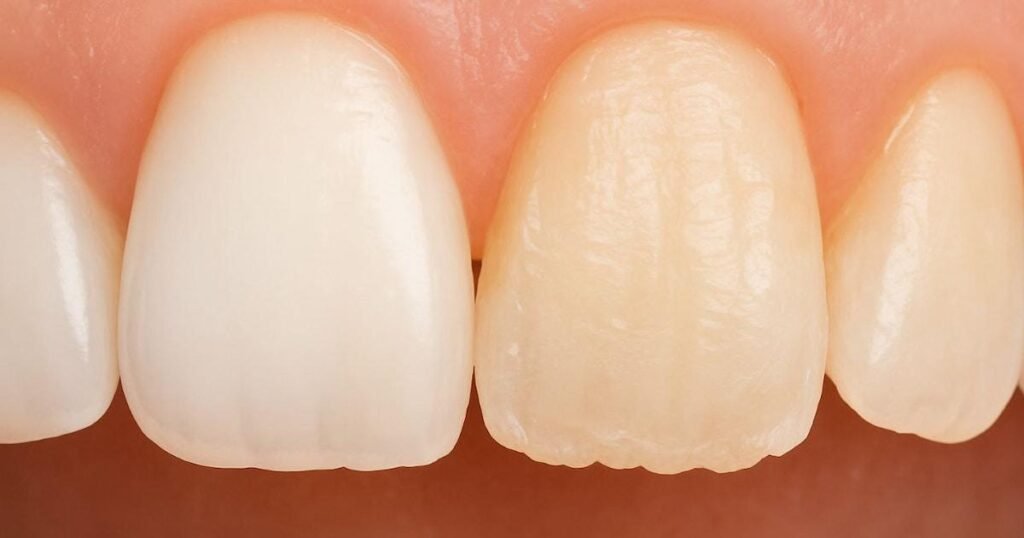
The earliest stage of tooth decay is called a white spot lesion—a signal that enamel is weakening but not yet destroyed.
Signs You Can Still Reverse It
- Chalky white spots
- Mild sensitivity
- No visible holes or cavities
What Works
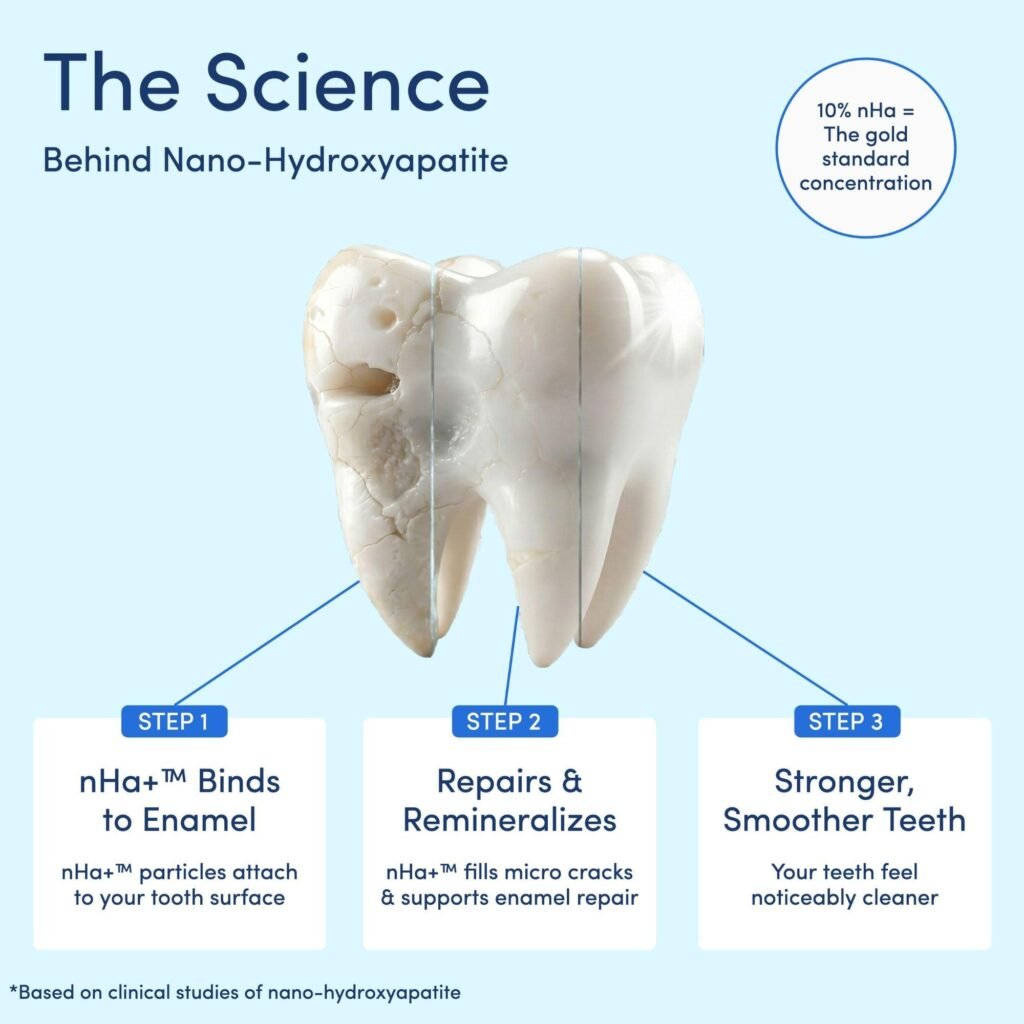
- Hydroxyapatite-based formulations
- Fluoride (traditional method)
- Reduced sugar exposure
- Improved oral hygiene
👉 Detailed breakdown: /early-tooth-decay-reversal/
Best Ingredients for Enamel Repair
1. Hydroxyapatite (Next-Gen Standard)
- Biomimetic (same mineral as teeth)
- Rebuilds enamel structure
- Non-toxic alternative to fluoride
Protect your oral microbiome balance and upgrade to a clinically supported Hydroxyapatite Mouthwash.
2. Fluoride (Traditional Standard)
- Enhances mineral uptake
- Prevents decay progression
3. Calcium Phosphate
- Supports mineral replenishment
4. Xylitol
- Reduces acid-producing bacteria
Protect your oral microbiome balance before damage progresses and upgrade to a clinically supported Xylitol Mouthwash.
Comparisons
Enamel Damage vs Repair Potential
| Stage | Description | Repair Potential |
|---|---|---|
| Stage 1 | Mineral loss | High |
| Stage 2 | Surface weakening | Moderate |
| Stage 3 | Structural damage | Low |
| Stage 4 | Cavity | None |
Fluoride vs Hydroxyapatite

👉 Explore best hydroxyapatite solutions now
Costs & Investment
| Solution | Cost Range | ROI |
|---|---|---|
| Standard toothpaste | Low | Basic protection |
| Hydroxyapatite toothpaste | Medium | High repair potential |
| Dental treatments | High | Required for severe damage |
👉 Investing early is significantly cheaper than restorative dentistry.
Risks & Limitations of Enamel Remineralization
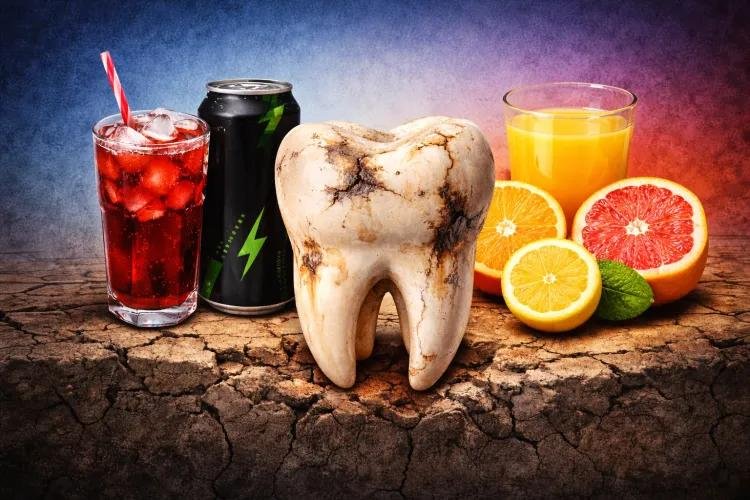
While enamel remineralization has become one of the biggest trends in modern oral care, it’s important to understand its limitations. Even the most advanced remineralizing toothpaste or hydroxyapatite-based dental technology cannot fully regenerate severely damaged enamel.
1. Remineralization Only Works in Early Stages
Enamel remineralization is most effective during the earliest phase of enamel weakening, often called initial demineralization.
At this stage, minerals such as calcium and phosphate can still return to microscopic weak areas on the enamel surface.
However, once enamel becomes deeply eroded, fractured, or structurally lost, the body cannot naturally regrow the original enamel layer.
This is why early intervention is critical for:
- enamel protection
- cavity prevention
- tooth sensitivity management
- long-term oral health preservation
2. Acid Exposure Can Continuously Reverse Progress
One of the biggest obstacles to enamel repair is repeated acid exposure.
Frequent consumption of:
- soda
- energy drinks
- citrus beverages
- sports drinks
- processed sugar
- acidic foods
can keep the mouth in a low-pH state that accelerates enamel erosion.
Even high-quality remineralizing toothpaste may struggle to offset continuous acid attacks if dietary habits remain unchanged.
This is especially important in discussions around:
- acid erosion treatment
- enamel erosion prevention
- pH-balanced oral care
- anti-cavity dental routines
3. Poor Oral Hygiene Reduces Remineralization Potential
Plaque buildup and bacterial overgrowth create an environment where enamel demineralization progresses faster than repair.
Without consistent oral hygiene habits, remineralization technologies cannot perform effectively.
Healthy enamel recovery depends on:
- proper brushing technique
- regular flossing
- biofilm control
- balanced oral microbiome support
- consistent hydration
Modern dentistry increasingly recognizes that oral microbiome balance plays a major role in enamel resilience and gum health.
4. Not All “Enamel Repair” Products Are Clinically Proven
The rapid growth of the natural toothpaste and enamel repair market has led to many products making exaggerated claims.
Some products contain minimal active remineralizing ingredients or rely heavily on marketing language without strong clinical support.
When evaluating remineralizing oral care products, look for evidence involving:
- hydroxyapatite toothpaste
- biomimetic mineral technology
- fluoride efficacy studies
- calcium-phosphate systems
- peer-reviewed dental research
Clinically supported ingredients are far more important than branding trends alone.
5. Dry Mouth Severely Weakens Natural Enamel Repair
Saliva is essential for natural remineralization because it delivers minerals and buffers acids inside the mouth.
Conditions associated with dry mouth (xerostomia) can dramatically reduce the enamel repair process.
Common contributors include:
- dehydration
- smoking
- chronic stress
- mouth breathing
- certain medications
- aging-related salivary decline
Reduced saliva flow is now considered a major risk factor for:
- tooth decay
- enamel erosion
- bad breath
- oral microbiome imbalance
- increased tooth sensitivity
6. Severe Enamel Loss Cannot Be Fully Reversed Naturally
One of the most misunderstood topics in oral care is whether enamel can completely grow back.
The reality is that advanced enamel loss cannot be fully reversed through toothpaste, supplements, or natural remedies alone.
If damage progresses into:
- deep cavities
- structural erosion
- exposed dentin
- enamel fractures
- severe sensitivity
professional dental treatment becomes necessary.
This may include:
- dental bonding
- crowns
- veneers
- fluoride therapies
- restorative dentistry procedures
⚠️ Remineralization can strengthen weakened enamel and slow early damage progression—but it is not a substitute for professional care in advanced cases.
Trends & Technology
Current Trends in Enamel Remineralization (2026)
The enamel repair industry is evolving rapidly as consumers move beyond traditional toothpaste toward science-driven, biomimetic oral care technologies. In 2026, the focus is shifting from basic cavity prevention to advanced enamel restoration, oral microbiome balance and long-term tooth preservation.
1. Rise of Nano-Hydroxyapatite Toothpaste
Nano-hydroxyapatite has become one of the fastest-growing trends in modern dentistry and natural oral care.
Because hydroxyapatite is the primary mineral found in tooth enamel, biomimetic formulations are increasingly being used to:
- support enamel remineralization
- reduce tooth sensitivity
- smooth weakened enamel surfaces
- improve enamel strength
- provide fluoride-free enamel repair options
Many consumers searching for:
- fluoride alternatives
- non-toxic toothpaste
- remineralizing toothpaste
- hydroxyapatite toothpaste benefits
- sensitivity repair toothpaste
are now turning toward nano-hydroxyapatite technologies backed by emerging clinical research.
2. Shift Toward Non-Toxic Oral Care
Consumers are becoming more ingredient-conscious across the entire wellness industry, including dental care.
This has accelerated demand for:
- SLS-free toothpaste
- fluoride-free oral care
- natural enamel repair products
- clean-label dental products
- microbiome-safe toothpaste
Modern oral care brands are increasingly positioning themselves around:
- biocompatibility
- low-toxicity formulations
- holistic dental wellness
- sustainable packaging
- minimal ingredient systems
The trend reflects a broader movement toward preventive, wellness-centered dentistry.
3. Personalized Dental Care Systems
Personalization is becoming a major innovation category in oral health.
New technologies are beginning to tailor oral care recommendations based on:
- enamel wear patterns
- saliva composition
- cavity risk
- oral microbiome analysis
- dietary habits
- tooth sensitivity profiles
This trend aligns with the rise of:
- AI dentistry
- digital oral diagnostics
- smart dental tracking
- precision oral care
- customized toothpaste systems
The future of enamel protection is increasingly individualized rather than one-size-fits-all.
4. Microbiome-Focused Dentistry
The oral microbiome is now considered one of the most important frontiers in preventive dentistry.
Researchers are exploring how bacterial balance inside the mouth influences:
- enamel demineralization
- gum inflammation
- bad breath
- cavity formation
- long-term oral resilience
This has fueled growing interest in:
- probiotic oral care
- microbiome-friendly mouthwash
- biofilm management
- bacterial balance therapies
- holistic oral ecosystem health
The shift marks a major transition away from purely bacteria-elimination models toward ecosystem management approaches.
Emerging Innovations in Enamel Repair Technology
Several next-generation technologies are currently being researched and developed for future enamel regeneration and precision oral care.
Enamel-Regenerating Peptides
Scientists are studying bioactive peptides capable of guiding mineral growth on damaged enamel surfaces.
These experimental technologies aim to mimic natural enamel-building processes and may eventually support:
- targeted enamel regeneration
- early cavity repair
- microscopic enamel reconstruction
- advanced remineralization therapies
Peptide-based dentistry is still developing but represents one of the most exciting areas in regenerative oral medicine.
AI-Driven Oral Diagnostics
Artificial intelligence is beginning to transform preventive dentistry.
AI-powered systems may soon help detect:
- early enamel erosion
- microscopic cracks
- cavity risk progression
- gum disease patterns
- acid damage trends
Future smart diagnostic platforms could enable earlier intervention before visible tooth damage occurs.
Smart Toothbrush Mineral Delivery Systems
Emerging smart toothbrush technologies are exploring controlled delivery of remineralizing agents during brushing.
Potential future systems may integrate:
- hydroxyapatite release mechanisms
- pressure-sensitive brushing analysis
- real-time oral health monitoring
- personalized enamel repair programs
- connected dental health apps
These technologies remain early-stage but highlight the growing intersection between oral care and wearable health technology.
As for now, explore our clinically supported Top-5 advanced electric brushes.
Upcoming Innovation Pipeline
Several experimental concepts are attracting attention across the dental research industry.
Biomimetic Enamel Coatings
Researchers are developing ultra-thin protective coatings designed to imitate the structure and function of natural enamel.
These coatings may eventually help:
- strengthen weakened enamel
- reduce erosion risk
- improve acid resistance
- extend long-term tooth durability
Self-Healing Dental Gels
Advanced remineralization gels are being studied for their ability to continuously deliver minerals to vulnerable enamel surfaces over extended periods.
Future formulations may combine:
- calcium-phosphate technologies
- peptide science
- hydroxyapatite nanoparticles
- slow-release delivery systems
Precision Remineralization Kits
The future of oral care may involve highly customized enamel repair systems tailored to an individual’s:
- saliva chemistry
- microbiome profile
- enamel wear pattern
- diet
- genetic risk factors
These precision dentistry approaches remain emerging technologies—but they strongly indicate where preventive dental care is heading next.
The Future of Enamel Repair
While many next-generation enamel regeneration technologies are not yet mainstream, the direction of the industry is becoming increasingly clear:
- preventive rather than reactive dentistry
- biomimetic mineral science
- AI-assisted oral diagnostics
- microbiome-centered treatment
- personalized enamel protection
- minimally invasive dental care
The next decade of oral health innovation will likely focus less on simply repairing damage—and more on preventing enamel breakdown before it begins.
Continue Exploring Enamel Science in our Nutrition Guide: Foods That Strengthen Enamel.
Enamel Intelligence
Enamel doesn’t fully grow back once significant structural loss occurs—but that doesn’t mean enamel damage is hopeless or irreversible in its earliest stages.
Modern oral science is increasingly focused on one critical idea:
The greatest advantage is not rebuilding severely damaged enamel later—it’s preserving healthy enamel before irreversible erosion happens.
This is where enamel remineralization changes the conversation.
Every day, teeth experience microscopic mineral loss from:
- acidic foods
- sugar exposure
- bacterial acids
- dry mouth
- aggressive brushing
- environmental stressors
In the early stages, this damage is often invisible. The enamel surface may appear normal while gradually becoming weaker beneath the surface.
But this stage also represents the biggest opportunity.
When enamel weakening is identified early, the right combination of:
- saliva support
- hydroxyapatite technology
- pH-balanced oral care
- mineral-rich toothpaste
- microbiome-conscious hygiene
- reduced acid exposure
can help restore mineral density and strengthen vulnerable enamel before deeper erosion develops.
This is the core shift happening across modern preventive dentistry in 2026:
from reactive dental repair → toward proactive enamel preservation.
Instead of waiting for:
- cavities
- chronic sensitivity
- visible erosion
- enamel thinning
- restorative dental procedures
more consumers are adopting daily routines designed to support long-term enamel resilience from the start.
That’s also why biomimetic ingredients like nano-hydroxyapatite are attracting growing attention in advanced oral care. Rather than simply masking symptoms, these technologies aim to work in harmony with the natural biology of enamel itself.
The future of oral wellness is becoming less about emergency repair—and more about maintaining strong, healthy enamel for decades before major intervention is ever needed.
Because in many cases, the smartest form of enamel repair is preventing irreversible damage before it begins.
FAQs (Frequently Asked Questions)
Can Tooth Enamel Repair Itself Naturally?
Tooth enamel cannot fully regenerate once it is structurally lost because enamel contains no living cells. However, early enamel damage can often be repaired through remineralization. This natural process uses minerals like calcium and phosphate—supported by saliva, hydroxyapatite toothpaste, and fluoride—to strengthen weakened enamel before cavities form. Searches for “natural enamel repair,” “remineralizing toothpaste,” and “how to strengthen enamel naturally” continue trending as preventive dentistry grows in 2026.
Is Hydroxyapatite Toothpaste Better Than Fluoride for Enamel Repair?
Hydroxyapatite toothpaste is becoming one of the most searched fluoride alternatives because it closely mimics the mineral structure of natural enamel. Many modern biomimetic formulas help reduce tooth sensitivity, smooth enamel surfaces, and support remineralization without relying on fluoride. Fluoride still remains clinically effective for cavity prevention, but nano-hydroxyapatite is increasingly popular among consumers seeking non-toxic toothpaste, enamel repair technology, and microbiome-friendly oral care.
What Are the Earliest Signs of Enamel Erosion?
Early enamel erosion often begins silently before visible cavities appear. Common warning signs include increased tooth sensitivity, chalky white spots, dull enamel appearance, yellowing teeth from thinning enamel, and discomfort when consuming hot or cold drinks. Detecting these symptoms early significantly improves the chances of successful enamel remineralization and cavity prevention.
Can You Reverse Early Tooth Decay Without Fillings?
Yes—early-stage tooth decay, often called demineralization or white spot lesions, may be reversible without fillings if addressed quickly. Using hydroxyapatite toothpaste, fluoride treatments, improved oral hygiene, reduced sugar intake, and pH-balanced oral care can help restore minerals to weakened enamel before structural damage develops. Once a cavity forms, however, professional dental treatment is usually necessary.
What Foods Help Strengthen Tooth Enamel?
Mineral-rich foods that support saliva production and oral pH balance can help strengthen enamel naturally. Calcium-rich foods, leafy greens, dairy products, phosphorus-containing proteins, crunchy vegetables, and xylitol-based products all contribute to enamel support. Reducing acidic drinks like soda and energy drinks is equally important because acid erosion is one of the leading causes of enamel weakening.
Why Is Saliva Important for Enamel Remineralization?
Saliva acts as the mouth’s built-in enamel defense system. It neutralizes acids, delivers calcium and phosphate to teeth, washes away harmful bacteria, and supports oral microbiome balance. Healthy saliva flow is essential for natural remineralization and enamel preservation. Dry mouth, dehydration, smoking, stress, and certain medications can significantly weaken the enamel repair process.
Are Enamel Repair Toothpastes Scientifically Proven?
Some enamel repair toothpastes are supported by clinical research, while others rely heavily on marketing claims. Ingredients with the strongest scientific backing include nano-hydroxyapatite, fluoride, calcium phosphate systems, and xylitol. Consumers searching for “best toothpaste for enamel repair,” “clinically proven remineralization,” and “science-backed hydroxyapatite toothpaste” should prioritize products supported by peer-reviewed dental studies rather than trend-driven branding alone.
People Also Ask (PAA)
Can enamel grow back after years of damage?
Severely damaged enamel cannot fully grow back naturally after years of erosion or decay. However, early-stage weakening can still benefit from remineralization technologies that strengthen remaining enamel and help slow further deterioration. Advanced damage often requires restorative dentistry such as crowns, veneers, or bonding.
Does nano-hydroxyapatite actually rebuild enamel?
Nano-hydroxyapatite helps support enamel remineralization by depositing biomimetic minerals onto weakened enamel surfaces. While it does not regrow completely lost enamel, studies suggest it may improve enamel smoothness, reduce sensitivity, and strengthen early demineralized areas.
What destroys tooth enamel the fastest?
Frequent exposure to acidic drinks, processed sugar, soda, citrus beverages, dry mouth, aggressive brushing, and poor oral hygiene are among the fastest contributors to enamel erosion. Acid attacks combined with low saliva flow create the highest risk for rapid enamel weakening.
Is enamel loss permanent?
Deep enamel loss is considered permanent because the body cannot regenerate enamel tissue naturally. However, early mineral loss before structural destruction may still be reversible through remineralization and preventive oral care strategies.
How long does enamel remineralization take?
The remineralization process varies depending on saliva quality, diet, oral hygiene habits, and the severity of enamel weakening. Early enamel repair may begin within days or weeks, but long-term enamel strengthening typically requires consistent oral care routines over several months.
What is the best toothpaste for enamel repair in 2026?
Hydroxyapatite toothpaste has become one of the leading enamel repair trends in 2026 due to its biomimetic mineral technology and fluoride-free positioning. Many consumers are also searching for SLS-free toothpaste, microbiome-safe oral care, and clinically supported remineralizing formulas designed for sensitivity and enamel protection.
Can sensitive teeth mean enamel erosion?
Yes. Tooth sensitivity is one of the most common early indicators of enamel erosion. As enamel thins, dentin tubules become more exposed, allowing temperature changes and acidic foods to trigger discomfort. Early intervention can help strengthen enamel and reduce sensitivity progression.