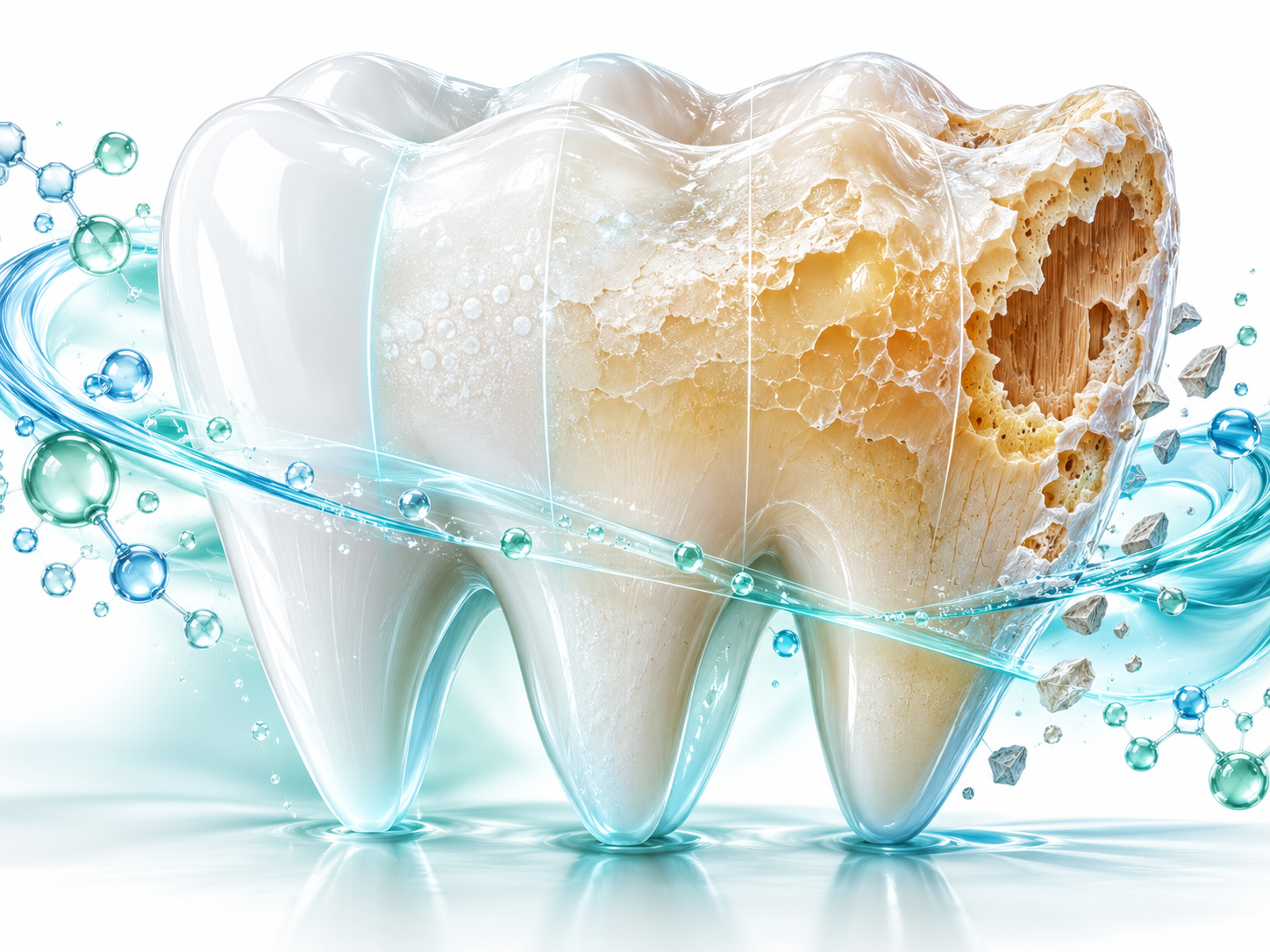
Stages of Enamel Erosion: From Early Damage to Advanced Tooth Wear
Amazon Affiliate Disclosure
Some links on this page may be affiliate links. This means Hydropaste may earn a commission if you purchase through them, at no extra cost to you.
Updated on 29th, October, 2026.
Enamel erosion doesn’t happen overnight. It progresses silently, often unnoticed, until visible damage appears. Understanding the stages of enamel erosion allows early intervention—before sensitivity, discoloration, and structural damage take hold.
Quick Navigation
- What is Enamel Erosion
- Stages of Enamel Erosion
- Erosion vs Tooth Decay
- Can Enamel Be Reversed
- Costs of Treatment
- Latest Technology & Trends
- Risks of Ignoring Erosion
- Hydro-Insights
This guide connects directly with our science cluster:
What is This Guide For?
This resource is built for:
- Identifying early enamel erosion symptoms
- Understanding progression stages
- Choosing the right treatment strategy
- Preventing irreversible damage
Who Needs This?
- People experiencing tooth sensitivity
- Frequent soda/acidic food consumers
- Patients with dry mouth or reflux
- Biohackers interested in remineralization science
- Anyone researching enamel erosion vs tooth decay
Benefits of Understanding Enamel Erosion Stages
- Early detection = lower treatment cost
- Prevent irreversible enamel loss
- Improve long-term oral health
- Avoid cosmetic dental procedures
- Enable natural remineralization strategies
What is Enamel Erosion?
Enamel erosion is the chemical loss of tooth enamel caused by acids—not bacteria.
Unlike cavities, erosion:
- Happens gradually
- Weakens tooth structure
- Cannot fully regenerate once advanced
Stages of Enamel Erosion
Stage 1: Initial Demineralization (Early Erosion)
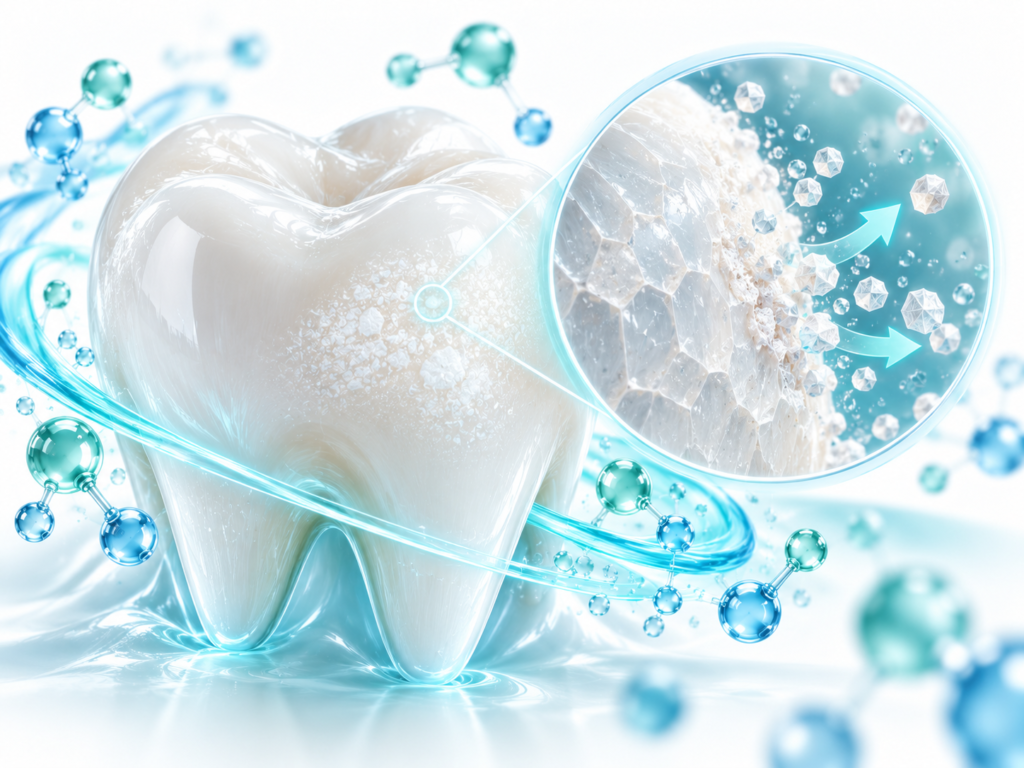
What happens:
- Minerals (calcium, phosphate) begin dissolving
- Surface remains intact
Signs:
- White chalky spots
- Slight dullness
- No pain yet
Action:
- Fully reversible with remineralization
👉 Start enamel repair early → Explore remineralization methods
Stage 2: Moderate Enamel Erosion
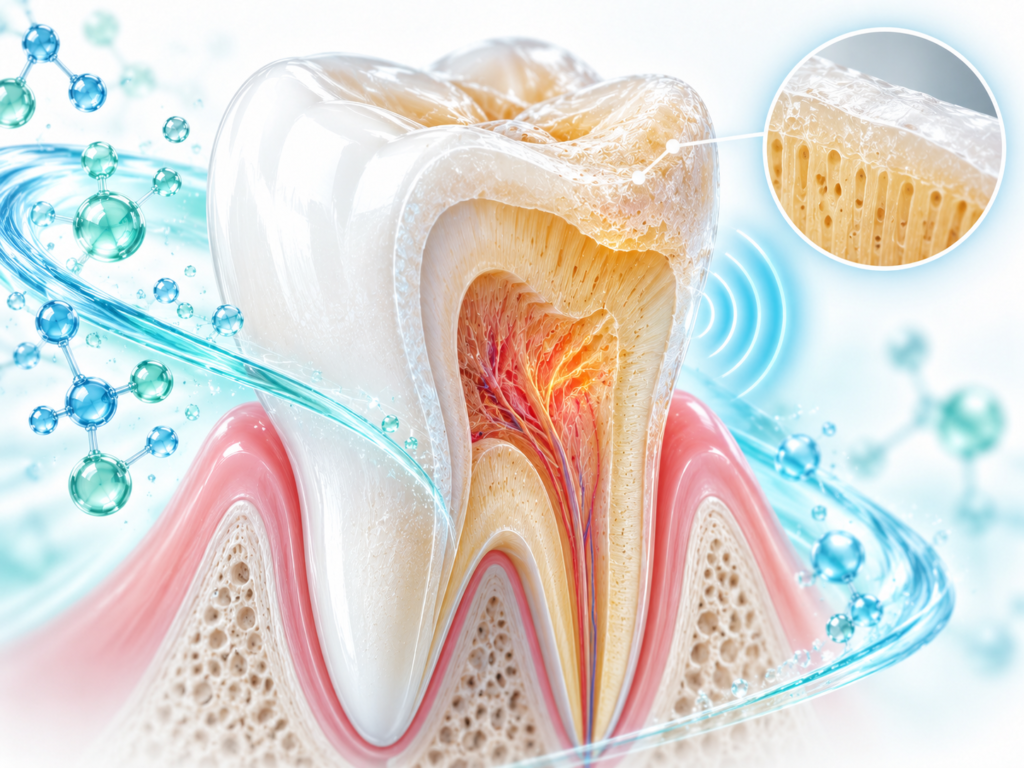
What happens:
- Enamel thins
- Dentin begins to show
Signs:
- Yellowish tone
- Increased sensitivity
- Smooth, worn edges
Action:
- Partial repair possible
- Requires targeted treatment
Stage 3: Advanced Enamel Loss
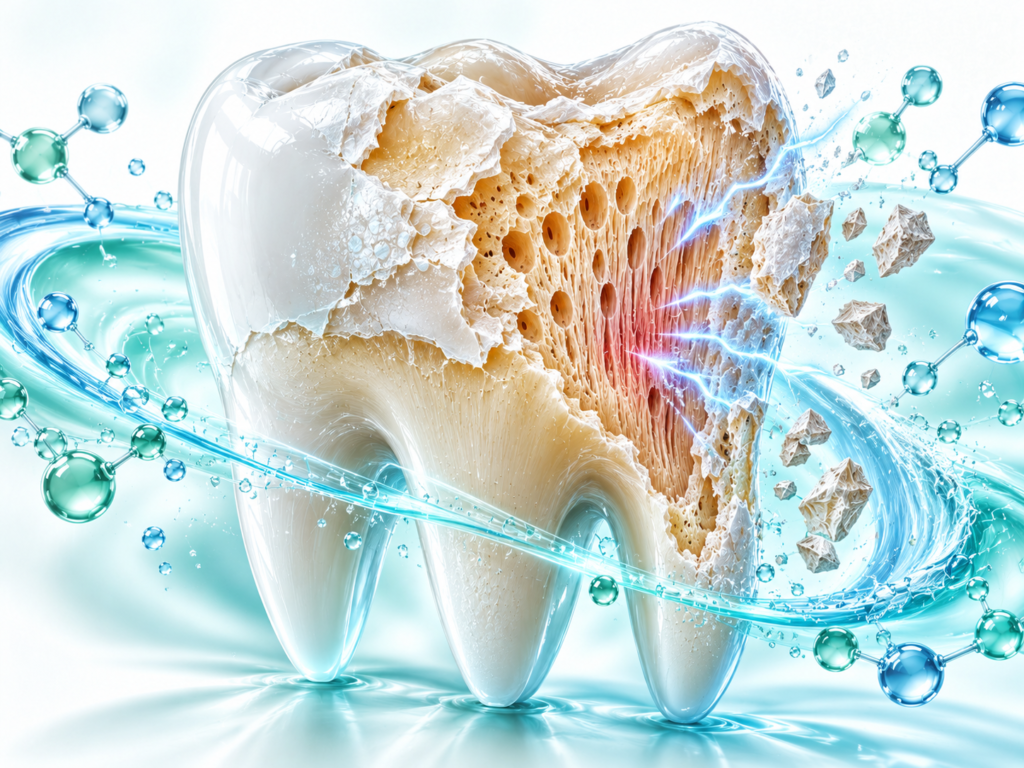
What happens:
- Enamel largely gone
- Dentin exposed
Signs:
- Sharp sensitivity
- Visible damage
- Increased cavity risk
Action:
- No natural reversal
- Requires dental intervention
Stage 4: Structural Breakdown
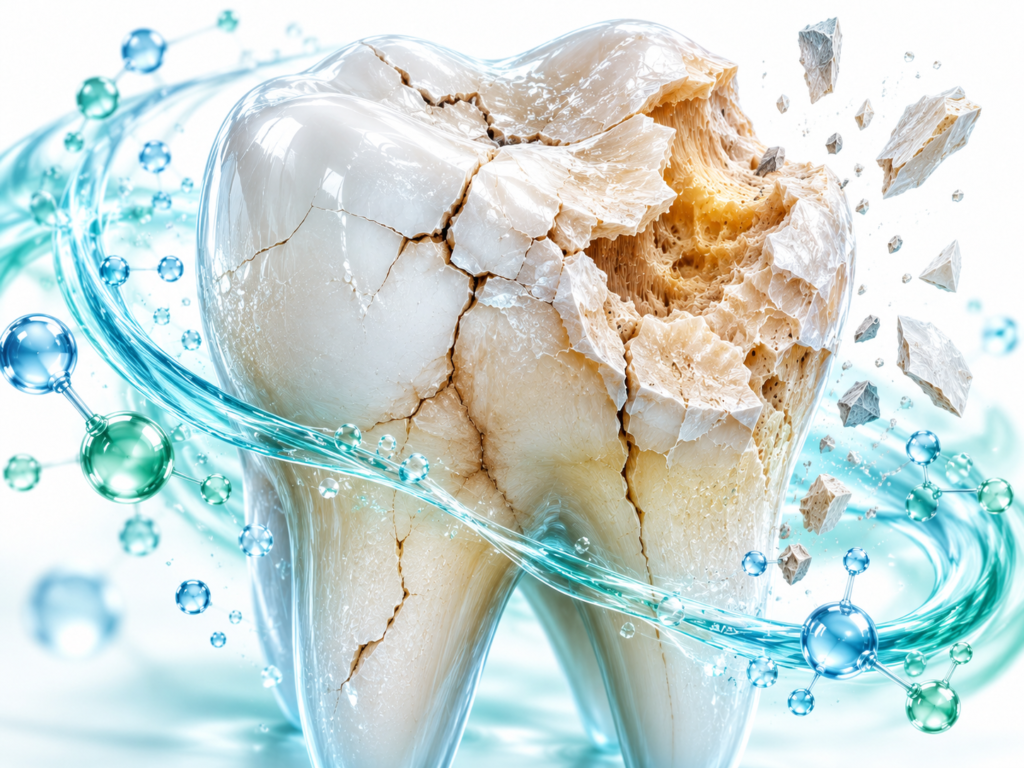
What happens:
- Tooth shape changes
- Cracks and fractures
Signs:
- Severe pain
- Bite issues
- Cosmetic damage
Action:
- Crowns, bonding, or veneers required
Enamel Erosion Stages
| Stage | Damage Level | Symptoms | Reversible | Treatment |
|---|---|---|---|---|
| Stage 1 | Mild | White spots | Yes | Remineralization |
| Stage 2 | Moderate | Yellowing, sensitivity | Partial | Fluoride, nano-hydroxyapatite |
| Stage 3 | Severe | Pain, dentin exposure | No | Fillings, bonding |
| Stage 4 | Critical | Structural damage | No | Crowns, veneers |
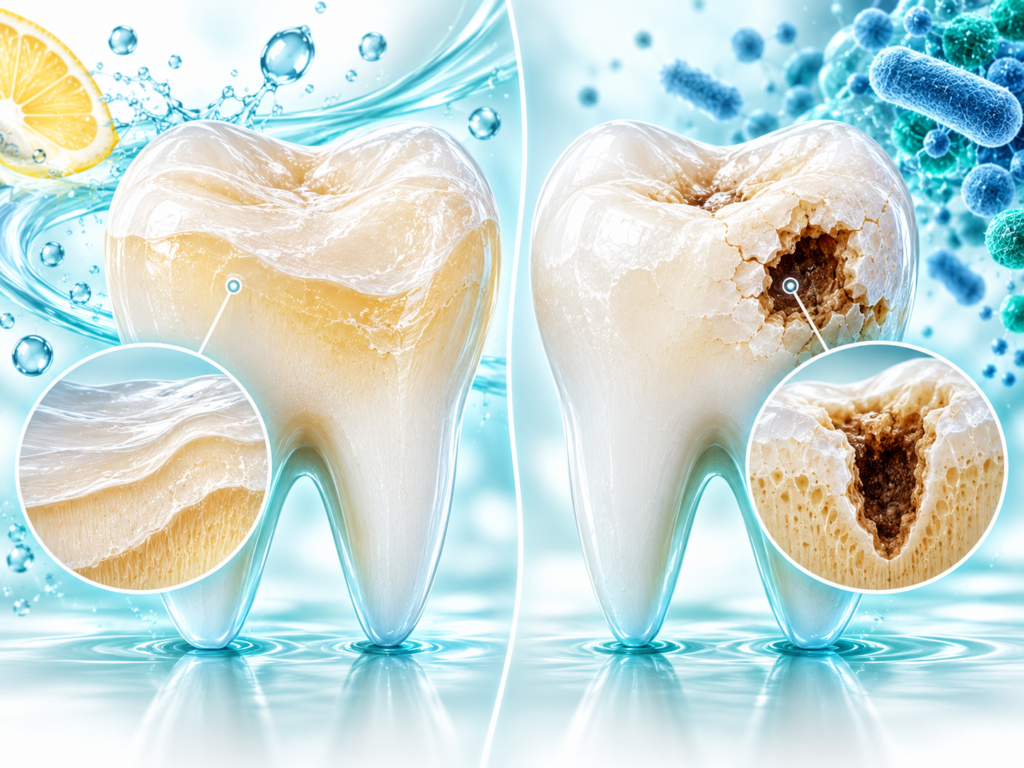
Enamel Erosion vs Tooth Decay
| Feature | Enamel Erosion | Tooth Decay |
|---|---|---|
| Cause | Acid exposure | Bacteria |
| Progression | Surface wear | Localized cavities |
| Pain | Late stage | Early possible |
| Reversibility | Early stage only | Early stage possible |
Can Enamel Be Reversed?
Short answer:
- Stage 1: Yes
- Stage 2: Partially
- Stage 3+: No
Natural support includes:
- Calcium-rich diet
- Saliva optimization
- Remineralizing toothpaste (hydroxyapatite-based)
Costs of Enamel Erosion Treatment
| Treatment | Estimated Cost |
|---|---|
| Remineralizing toothpaste | Low |
| Fluoride treatment | Low–Moderate |
| Dental bonding | Moderate |
| Veneers | High |
| Crowns | Very High |
Trends & Latest Technology
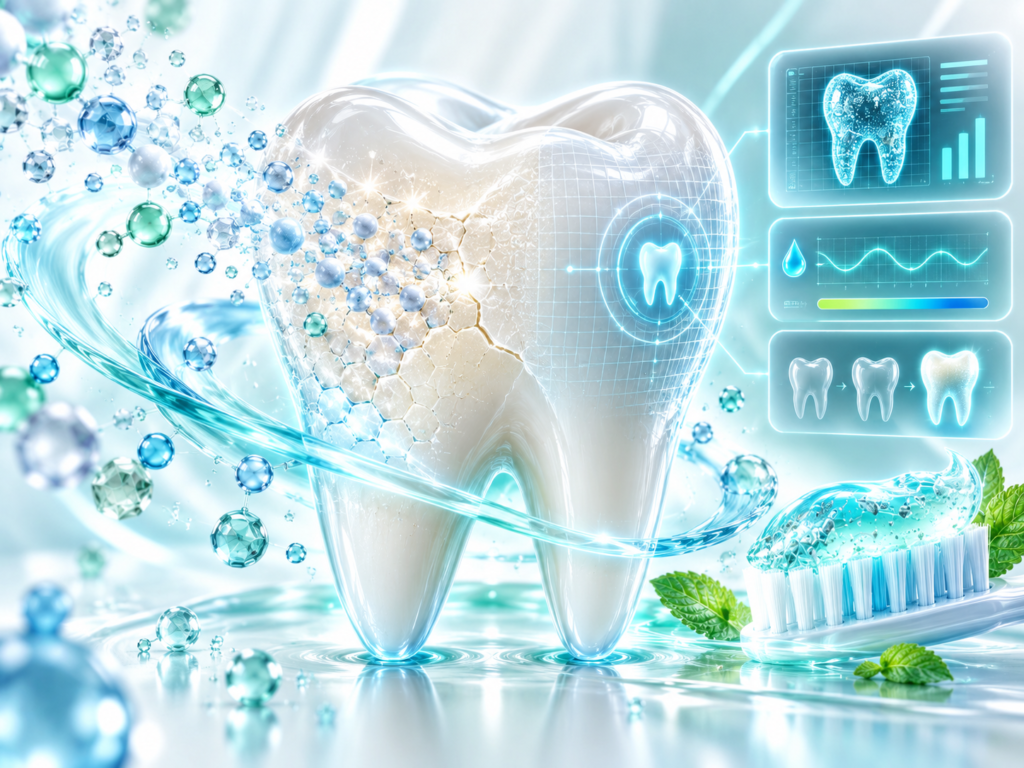
The enamel care industry is shifting toward biomimetic restoration:
1. Nano-Hydroxyapatite
- Mimics natural enamel structure
- Fills micro-defects
2. AI-Based Oral Diagnostics
- Early detection via imaging
- Predictive enamel loss tracking
3. Personalized Oral Care
- DNA + saliva-based formulations
- Custom remineralization protocols
Upcoming Innovations
- Enamel-regenerating peptides
- Smart toothbrushes with erosion sensors
- Real-time oral pH monitoring devices
Risks of Ignoring Enamel Erosion
- Permanent enamel loss
- Chronic tooth sensitivity
- Increased cavity risk
- Expensive dental procedures
- Tooth fracture or loss
Explore deeper:
- → Mechanism: How enamel remineralization works
- → Recovery: Can enamel grow back
Hydro-Insight
Enamel erosion is not just a dental issue—it’s a lifestyle signal. Diet, habits, and biological resilience all converge here. The earlier you intercept the process, the more control you retain.
Protect your enamel before damage becomes permanent.
Start with science-backed remineralization → Explore Hydropaste solutions